
The Best Vegetable Lasagna I Make Every Week
- Prep
- 30 min
- Cook
- 30 min
- Total
- 80 min
- Serves
- 8
- Calories
- 335 kcal
- Protein
- 19.30 g
- Carbs
- 42.20 g
- Fat
- 8.50 g
Introduction
I cook this vegetable lasagna again and again on busy weeknights because it gives me the balance I want: vegetables that stay vibrant, a creamy protein layer that keeps everyone full, and a top layer of browned cheese that makes it feel like comfort food. Over the years I’ve learned the small tricks that keep the layers bright and the lasagna sliceable, so it reheats well and stretches into a few lunches or an easy dinner for friends.
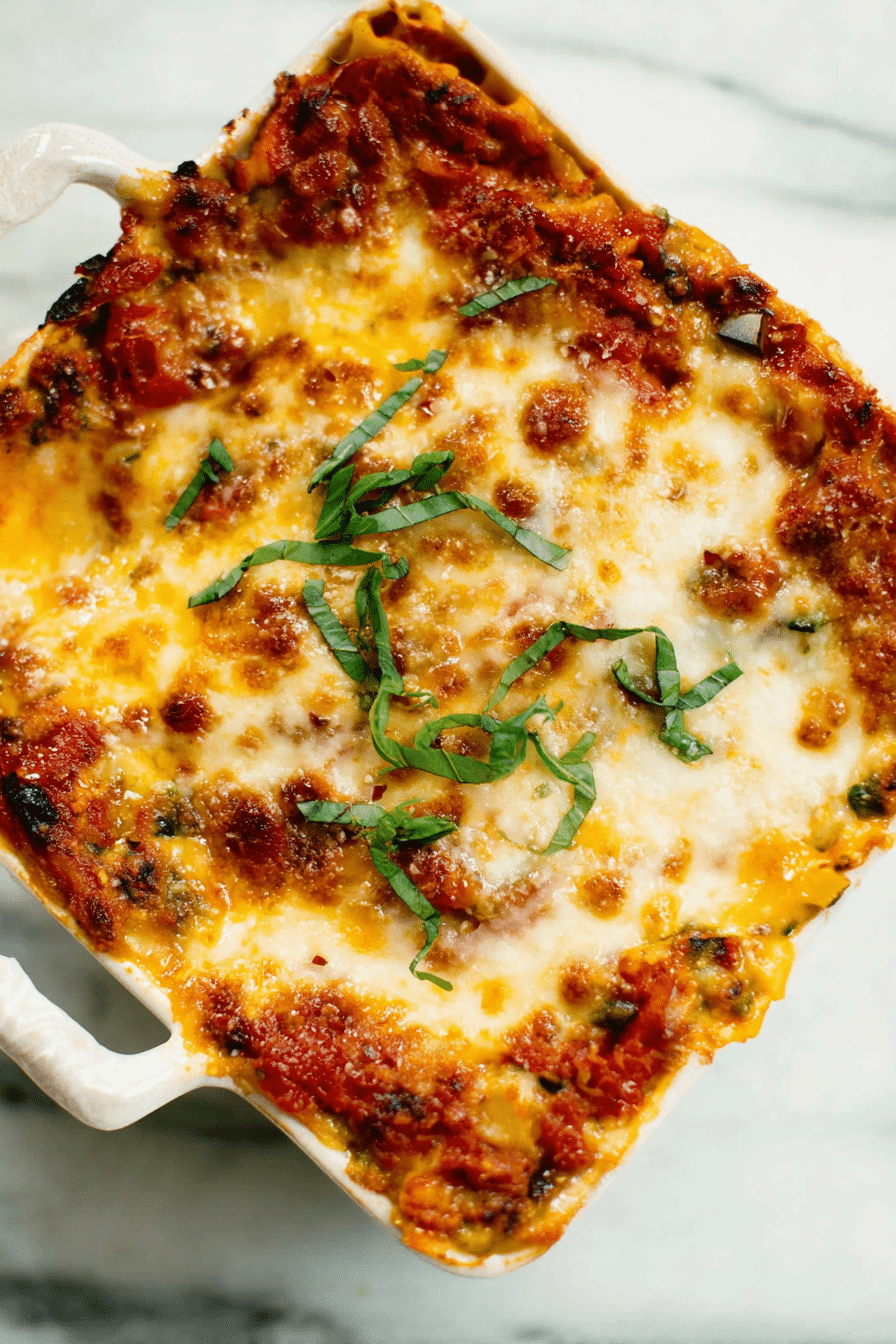
I like that this recipe moves quickly: a focused sauté of carrots, bell pepper, zucchini and onion, a simple herbed tomato sauce, and a cottage-cheese filling that blends into a silky spread. It feeds a group but is also forgiving when you want to scale down or use up produce from the crisper drawer. The scent of sautéed vegetables and garlic fills the kitchen while the oven brings everything together into a warm, satisfying meal.
When I serve it, I reach for fresh basil, a crisp side salad, and sometimes a loaf of rustic bread. Leftovers are just as welcome — the flavors deepen overnight, and a quick reheat in the oven brings back that fresh-baked aroma. I’ll walk you through why this is my go-to for nourishing weeknights and how to make it reliably great in your kitchen.
Here’s what makes this vegetable lasagna practical, healthy, and easy to adapt to what’s in season.
Why this is the best vegetable lasagna for nourishing weeknights
This lasagna balances vegetables and protein so you get a filling, nutrient-dense meal without a ton of fuss. Roasting or sautéing the vegetables concentrates their sweetness and adds a little caramelized texture that contrasts beautifully with the creamy cottage-cheese layer. The method is efficient — most of the work is hands-off simmering and stacking — so it fits into a busy evening when you want wholesome food on the table fast.
Think colorful layers: the orange of carrots, the green of spinach and zucchini, and the red of tomato sauce. Beyond color, you’ll taste aromatic basil and garlic and feel the satisfying bite of well-cooked vegetables between tender pasta sheets. This lasagna is forgiving for families: it’s easy to double, serves a crowd, and the leftovers make packed lunches that keep well.
Everything You Need for Best Vegetable Lasagna
Use fresh, seasonal produce whenever you can — it makes the biggest difference in flavor and nutrition. Below I list the key ingredients and why they matter, plus a few simple tools that will make assembly easier. I’ve included gluten-free and dairy-free options so the recipe is approachable for different diets.
- Extra-virgin olive oil – For sautéing vegetables and adding a layer of richness without heaviness.
- Carrots, bell pepper, zucchini, yellow onion – The core mix for texture, color, and natural sweetness; swap in seasonal veg as needed.
- Leafy greens (spinach, kale) – For brightness and volume; they wilt down so you can pack in nutrients without extra bulk.
- Canned tomatoes – The base for a fresh-tasting sauce; drain excess juice to avoid soggy layers.
- Fresh basil – Adds herbal lift and a fragrant finish.
- Garlic, red pepper flakes, salt and pepper – Small amounts make a big flavor difference.
- Cottage cheese – A protein-rich, lower-fat alternative to ricotta that blends into a creamy filling; works well for satiety and texture.
- Mozzarella (or a plant-based shredded cheese) – For a melty top; choose low-moisture options for less runniness. Dairy-free mozzarella alternatives work well for a vegan swap.
- No-boil lasagna noodles (or regular/gluten-free noodles) – No-boil noodles save a step, but regular noodles often give a better texture; gluten-free sheets are an easy swap if needed.
- Tools – A large skillet for sautéing, a food processor or blender to smooth cottage cheese and chop vegetables if you like finer texture, and a 9- by 9-inch baking dish for even layers.
The Secret to Bright, Non‑Soggy Layers
Light, even layers come down to managing moisture and building texture. I focus on a few practical steps so the lasagna slices cleanly and the flavors remain distinct rather than muddled.
- Drain canned tomatoes briefly so you’re spreading a thick, spreadable sauce rather than pooling liquid in the pan.
- Sauté vegetables until they’re golden at the edges and most of their moisture has cooked away — this concentrates flavor and prevents a watery filling.
- Wilt leafy greens in batches so excess water cooks off; squeeze out any obvious liquid from tougher greens like kale before layering.
- Layer with intention: sauce on the bottom to protect noodles, then noodles, then the cottage-cheese mixture, and a modest amount of shredded cheese. Avoid piling sauce in one spot.
- Cover while baking to finish cooking through, then remove the cover to brown the top. Let the lasagna rest before slicing so the filling sets up.
Why Cottage Cheese Is a Healthier, Protein‑Packed Filling
Cottage cheese brings protein and creaminess with less fat than many traditional ricotta-based fillings. Its curds blend into a smooth, spreadable texture when pulsed briefly in a food processor, which gives you that creamy mouthfeel without heavy cream or large amounts of cheese. The added protein helps the dish feel more satisfying and balanced, especially for weeknight meals.
If you prefer a richer mouthfeel, you can mix in a small amount of mascarpone or a soft goat cheese, or use full-fat cottage cheese. For dairy-free options, blended silken tofu or cashew cream can mimic the texture and add protein. For a different take on cottage cheese, check out our savory cottage cheese bowl for inspiration on nutritious fillings.
How to Customize with Seasonal Vegetables and Superfoods
Swap vegetables freely to suit what’s fresh: summer brings roasted eggplant and heirloom tomatoes; fall favors roasted squash and mushrooms; winter works well with beets and sautéed greens. Small additions like cooked quinoa, toasted seeds, or a handful of chopped nuts can add texture and a nutritional boost.
- Spring: asparagus tips, young peas, and tender spinach pair well with lemon and fresh basil.
- Summer: thinly sliced zucchini, roasted red peppers, and fresh tomatoes for a bright, sun-ripened flavor.
- Fall/Winter: roasted squash, cremini mushrooms, and kale add depth and earthiness.
- Superfood add-ins: stir cooked quinoa into the cottage-cheese filling for extra protein and a slightly nutty texture; fold in chopped kale for iron and fiber.
- Flavor pairings: oregano and thyme with root vegetables, basil and oregano with tomato-forward layers, and a pinch of red pepper flakes for gentle heat.
Consider adding balsamic glazed roasted vegetables for an extra layer of flavor in your lasagna.
How to Make Best Vegetable Lasagna (Step‑by‑Step)
- Preheat the oven so it’s hot and ready to finish the lasagna with a good browning stage.
- Heat olive oil in a large skillet, then add chopped carrots, bell pepper, zucchini, onion, and a pinch of salt. Cook, stirring occasionally, until the vegetables are golden at the edges and most moisture is gone.
- Add spinach (or greens) in batches, letting each handful wilt fully before adding more; remove from heat once all greens are tender.
- Drain canned tomatoes briefly, then pulse them with basil, olive oil, garlic, salt, and red pepper flakes until you have a spreadable sauce.
- Pulse half the cottage cheese until smooth, then stir in the chopped vegetable mixture. Season with salt and plenty of freshly ground black pepper.
- Spread a thin layer of sauce on the bottom of your baking dish, layer noodles, spread half the cottage-cheese-vegetable mixture, spoon on more sauce and shredded cheese; repeat with the next layer, finishing with sauce and shredded cheese on top.
- Cover the dish with parchment or foil (avoid touching the cheese) and bake until heated through; remove the cover and continue baking until the top is spotty brown and bubbling. Let rest before slicing.
- If you enjoy variations, try our creamy take on greens and mushrooms for another comforting option: creamy spinach mushroom lasagna.
Pro Tip for best vegetable lasagna: gluten‑free, dairy‑free and quinoa swaps
- Gluten-free: use gluten-free lasagna sheets; if they require boiling, cook them according to package directions and drain well before layering.
- Dairy-free: replace cottage cheese with blended silken tofu or cashew cream and use a dairy-free shredded cheese for the top layer.
- Quinoa boost: fold cooked quinoa into the cottage-cheese mixture for extra protein and a pleasant, slightly chewy texture.
- Make it heartier: add cooked lentils or white beans to the tomato sauce for additional plant-based protein and fiber.
Note to the recipe editor: Pro-Tips, Troubleshooting, and Variations sections should be presented as bulleted lists for quick scanning and usability.
Pro-Tips, Troubleshooting, and Variations
Below I share quick, scannable troubleshooting notes and ways I like to vary the recipe. I use these in my kitchen and they’ve saved many dinners.
Pro-Tips- Toast the vegetables a bit longer for caramelized edges — that depth of flavor carries through the whole dish.
- Pulse the cottage cheese until just smooth for a creamy filling that still has body and structure.
- Let the lasagna rest 15–20 minutes after baking so it sets and slices cleanly.
- If the lasagna is watery: next time drain the tomatoes a bit longer and cook the vegetables until they’re drier.
- If the top browns too quickly: tent with foil partway through baking and remove it at the end to finish browning.
- If layers slide when slicing: allow a longer resting time and use a serrated knife with a gentle sawing motion.
- Mix in cooked mushrooms and spinach for a richer, umami-forward version.
- Add roasted eggplant and a splash of balsamic vinegar to the sauce for an earthy-sweet variant.
- Make single-serving portions in ramekins for easy reheating and portion control.
How to Store, Reheat, and Meal‑Prep Your Lasagna
- Refrigerate leftovers in an airtight container for up to 4 days; the flavors deepen and it’s great for weekday lunches.
- To reheat, cover and warm in a preheated oven until heated through to maintain texture; a microwave works for a quick meal but may soften the layers more.
- Freeze portions by wrapping slices well in plastic and foil or use a freezer-safe container. Thaw overnight in the fridge before reheating for best texture.
- Assemble the lasagna ahead and keep it covered in the refrigerator; bake within 24 hours for the best result.
Serving Suggestions and Pairing for a Complete Meal Experience
Pair the lasagna with a fresh green salad dressed with lemon and olive oil, or a simple slaw for crunch. For bread, choose a rustic loaf or garlic-rubbed ciabatta and keep the accompaniments bright to balance the richness of the cheese.
For beverages, a light red wine or a sparkling water with citrus complements the tomato and herb notes. Presentation-wise, garnish with torn fresh basil and a drizzle of extra-virgin olive oil just before serving to make each slice look inviting.
Pair your lasagna with a light side of vegetable spring roll for a refreshing contrast in flavors.
Frequently Asked Questions
Can I use regular lasagna noodles instead of no-boil ones?
Absolutely! Regular lasagna noodles will give you a better texture and taste compared to no-boil noodles.
What vegetables can I use in this lasagna?
Feel free to get creative! Fresh vegetables like roasted red bell peppers, zucchini, onions, mushrooms, and baby spinach work wonderfully in this recipe.
Is this vegetable lasagna gluten-free?
You can make it gluten-free by using gluten-free lasagna noodles. Just ensure all other ingredients are also gluten-free.
Can I prepare this lasagna ahead of time?
Yes! You can assemble the lasagna a day in advance and store it in the refrigerator until you're ready to bake.
What should I serve with vegetable lasagna?
A fresh side salad or some garlic bread would make a lovely complement to the lasagna!
Recipe Card
The Best Vegetable Lasagna I Make Every Week

- Prep
- 30 min
- Cook
- 30 min
- Total
- 80 min
- Serves
- 8
- Calories
- 335 kcal
- Protein
- 19.30 g
- Carbs
- 42.20 g
- Fat
- 8.50 g
Ingredients
- 2 tablespoonsextra-virgin olive oil
- 3 largecarrots, chopped ((about 1 cup))
- 1 wholered bell pepper, chopped
- 1 mediumzucchini, chopped
- 1 mediumyellow onion, chopped
- ¼ teaspoonsalt
- 5 to 6 ouncesbaby spinach
- 1 large candiced tomatoes (28 ounces)
- ¼ cupfresh basil, chopped (+ additional for garnish)
- 2 tablespoonsextra-virgin olive oil
- 2 clovesgarlic, pressed or minced
- ½ teaspoonsalt
- ¼ teaspoonred pepper flakes
- 2 cupslow-fat cottage cheese, divided
- ¼ teaspoonsalt to taste
- to tastefreshly ground black pepper
- 8 ouncesfreshly grated low-moisture, part-skim mozzarella cheese
Instructions
- 1
Preheat the oven to 425 degrees Fahrenheit.
- 2
In a large skillet over medium heat, warm the olive oil. Once shimmering, add the carrots, bell pepper, zucchini, yellow onion, and salt. Cook, stirring until golden.
- 3
Add spinach and cook until wilted. Set aside.
- 4
Drain tomatoes, pulse with basil, garlic, olive oil, and red pepper flakes.
- 5
Blend half of the cottage cheese until smooth, add the cooked veggies, remaining cottage cheese, salt, and pepper.
- 6
Spread tomato sauce, layer noodles, cottage cheese mixture, and shredded cheese.
- 7
Cover and bake for 18 minutes, uncover and bake for an additional 10-15 minutes until golden.
- 8
Let cool for 15-20 minutes, sprinkle basil, slice, and serve.
You might also like



Reviews
Be the first to review this.