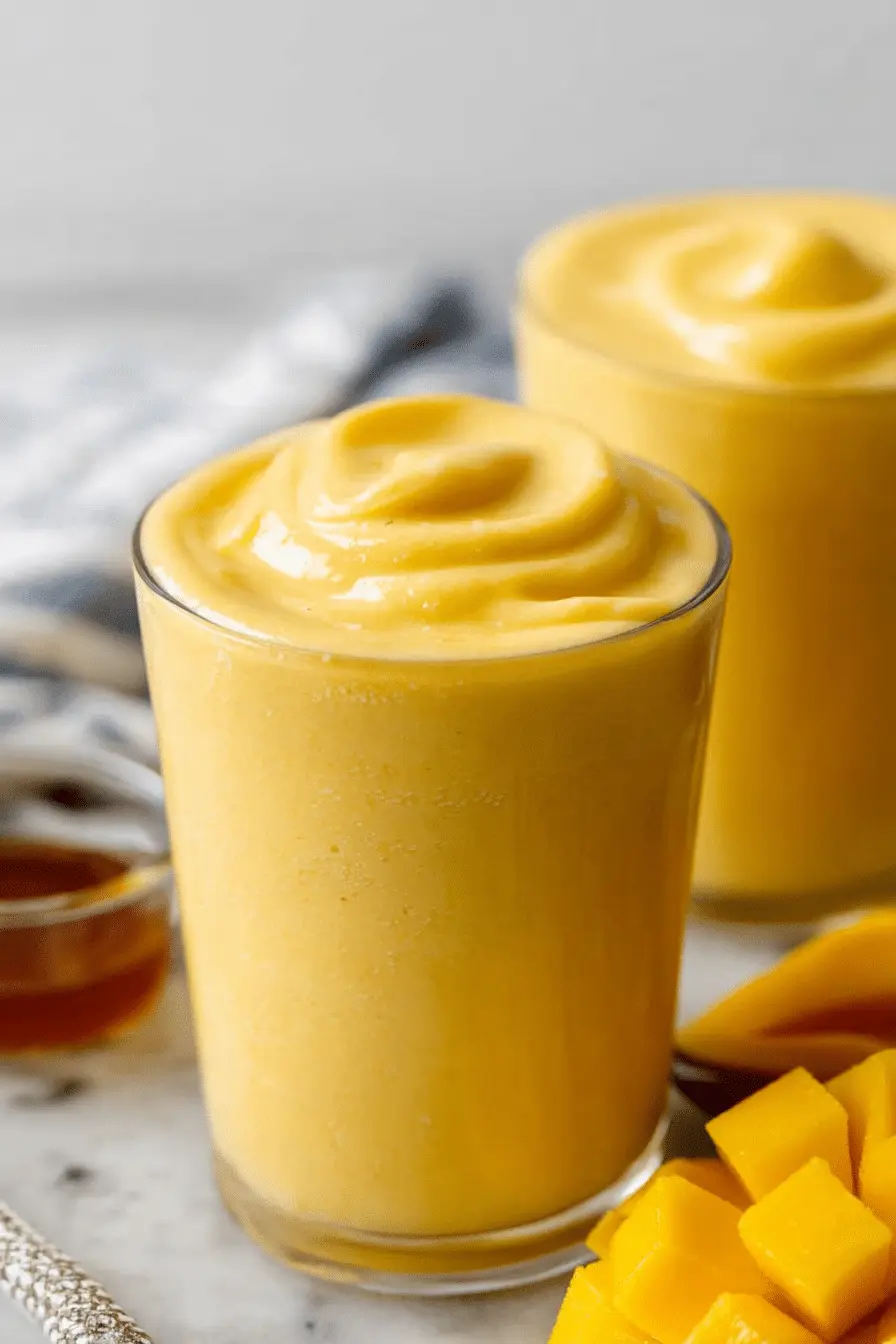
The Mango Coconut Milk Smoothie I Make Each Morning — Ready in Minutes
- Prep
- 3 min
- Total
- 3 min
- Serves
- 2
- Calories
- 156 kcal
- Carbs
- 35.20 g
Introduction
I make this mango coconut milk smoothie on mornings when time is tight but I still want something bright and satisfying. It literally takes minutes from freezer to glass, and I keep the ingredients on hand so I can pull one together between getting ready and grabbing my bag. The flavor is sunny and fresh, and the texture hits that creamy, chilled spot that feels like a small treat without slowing your routine.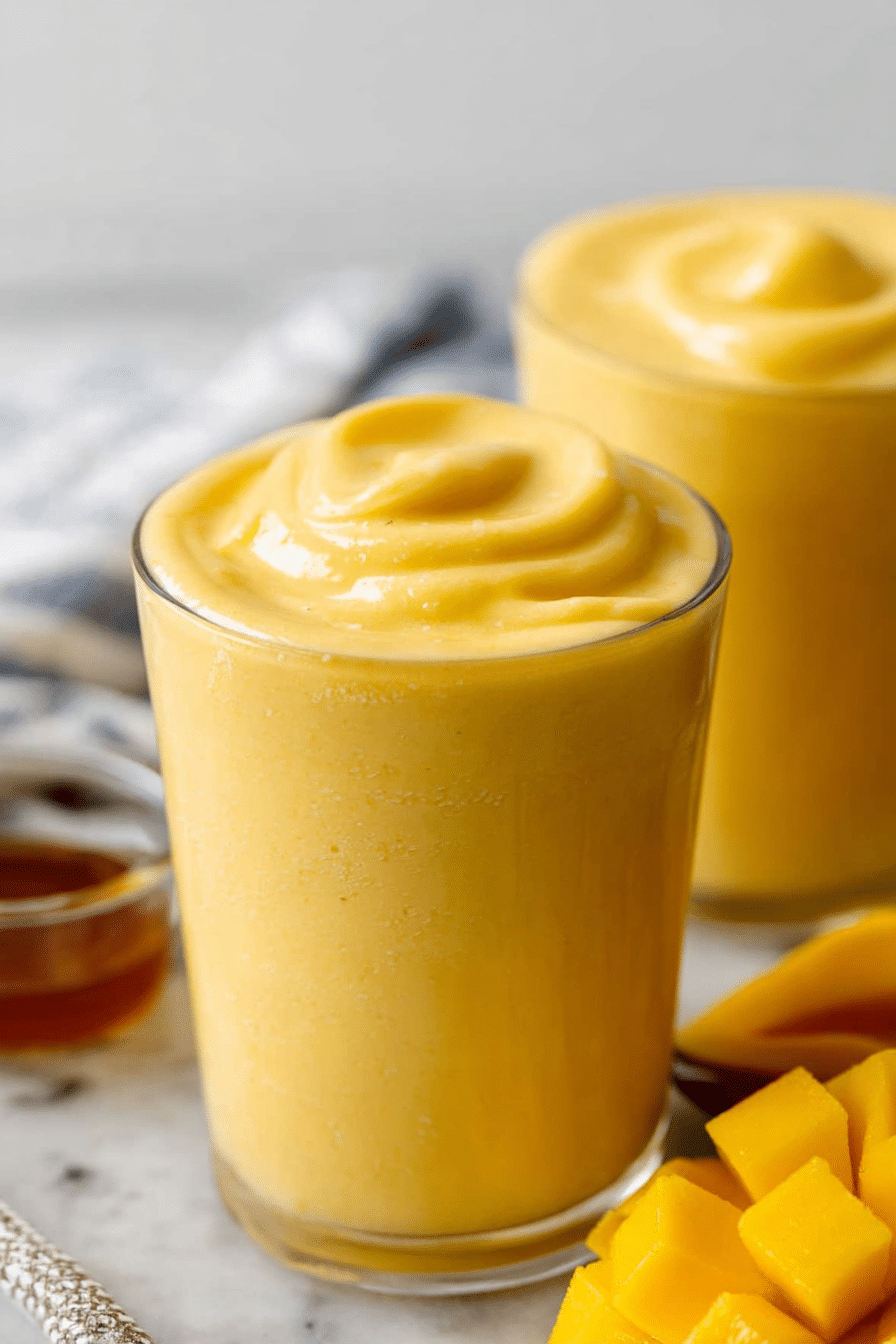
Why this Mango Coconut Milk Smoothie Is Perfect for Busy Mornings
This smoothie is built for speed: frozen fruit removes prep work, and the blend time is under a minute in a good blender. You get a satisfying, chilled drink that fills you up with natural sugars and healthy fats without a lot of cleanup. The bright mango color and cool texture wake up the senses — it looks and feels like something special, even when you’re short on time.
Frozen mango keeps your fridge uncluttered and lets you portion ahead. The banana adds creaminess and natural sweetness, so you don’t need added syrups unless you want extra sweetness. For busy mornings, I often toss ingredients into the blender the night before (except the ice) so mornings are truly grab-and-go.
Everything You Need for Mango Coconut Milk Smoothie
Below are the core ingredients and why each one matters. I describe purpose and easy swaps so you can adapt the smoothie to your pantry or dietary needs.
- Frozen mango – Provides the fruit base, intense mango flavor, and chill without needing fresh prep; use pre-sliced frozen mango for convenience.
- Banana – Adds natural creaminess and sweetness; a ripe banana blends silkier, or use a frozen banana for extra thickness.
- Coconut milk – Delivers the creamy, tropical backbone and light coconut flavor; swap with almond milk or oat milk if you prefer a milder or nut-free option.
- Lemon juice – Brightens the fruit flavors and prevents the smoothie from tasting flat; it’s a small but important acid note.
- Honey or maple syrup (optional) – A touch of sweetener if your fruit isn’t ripe enough; omit for a lower-sugar version or use a sugar-free alternative.
- Ice cubes – Use only if you need a thicker, colder result when using fresh fruit; frozen fruit often provides enough chill on its own.
Storage note: keep extra frozen mango in single-use portions so you can blend just what you need. Ripe bananas freeze well peeled and sliced. Coconut milk should be shaken before use if it’s been sitting in the fridge.
The Secret to the Creamiest Texture
The biggest factors that determine creaminess are the ratio of frozen fruit to liquid and how you blend. Start with enough coconut milk to move the blades, then add frozen mango gradually and let the blender run until the mixture is uniformly smooth. Stop and scrape down the sides to reunite any pockets of fruit with the liquid — that keeps the texture silky rather than icy.
Frozen fruit gives body because it melts into the mix without watering it down; fresh mango can work, but you’ll need ice to reach the same thickness. A short burst on high speed is better than a long, low-speed blend — it shears the fruit into a creamier emulsion.
Why Frozen Mango & Ice Matter for Speed and Texture
Frozen mango saves time by removing prep and ensuring a cold base ready to blend. It also controls the smoothie’s temperature so you don’t have to add a lot of ice that would dilute flavor. When you use ice, add it sparingly and blend again to judge thickness — a couple of cubes can transform a drink into a spoonable smoothie without changing the mango flavor much.
If you prefer a lighter, drinkable smoothie for sipping during a commute, use a touch more coconut milk. If you want something spoon-thick for breakfast, increase the frozen fruit and reduce the liquid. Those small swaps change mouthfeel dramatically while keeping the same core profile.
Nutrition Snapshot: Vitamins, Antioxidants, and Energy
This smoothie is a quick source of carbohydrate energy and vitamins from the fruit and creamy fat from the coconut milk for satiety. The recipe yields approximately 156 calories per serving, with about 2.7 g of fat, 35.2 g of carbohydrates, and 0.7 g of protein. Mango contributes Vitamin C and Vitamin A precursors, plus antioxidants that support overall health.
The natural sugars in mango and banana provide fast energy, making this a good pre- or post-work snack. Choose unsweetened coconut milk to control added sugars and add a protein powder or nut butter if you want to increase protein for longer-lasting fullness.
How to Make Mango Coconut Milk Smoothie (Step-by-Step)
- Place half the frozen mango in the blender along with the sliced banana, coconut milk, lemon juice, and honey or maple syrup if using.
- Blend on high until smooth, pausing to scrape down the sides so all fruit gets incorporated evenly.
- Add the remaining frozen mango and blend again until completely smooth and creamy.
- If the smoothie is too thick or the blender struggles, add a splash more coconut milk and blend briefly.
- For a thicker texture, add 2–4 ice cubes and blend until you reach the desired consistency.
- Pour into glasses and enjoy immediately for the best texture and flavor.
Tool tip: a high-speed blender makes the creamiest result; pulse first to break frozen chunks, then blend continuously. I use a tamper or stop to scrape down the sides when needed.
Pro Tip for Mango Coconut Milk Smoothie: Make it Thicker Without Extra Sugar
- I often use more frozen fruit in place of added sweeteners — it thickens and sweetens naturally.
- Add a spoonful of chia seeds and let the blended mix sit for a few minutes; the chia will swell and thicken the texture without added sugar.
- Use a frozen banana instead of a fresh one to boost creaminess without changing flavor.
- Blend in a small scoop of plain yogurt or a nut butter if you want creaminess with extra protein, but skip sweetened varieties to avoid extra sugar.
How to Store, Make-Ahead, and Easy Variations
Storing and prepping ahead saves even more time. I keep frozen fruit packs ready to drop in the blender, and I sometimes freeze individual smoothie portions for later.
- Refrigerator storage – Leftover smoothie stays best for up to 24 hours; shake or stir well before drinking.
- Freezing portions – Freeze smoothie in airtight jars or popsicle molds for up to a month; thaw slightly before blending to drink.
- Make-ahead packs – Assemble frozen fruit and banana slices in freezer bags so the only fresh item to add in the morning is the coconut milk.
Variations (easy swaps to fit taste or dietary needs):
- Protein boost – Add a scoop of unflavored or vanilla protein powder or a spoonful of nut butter for a more filling smoothie.
- Lower sugar – Use unsweetened coconut milk and omit the honey or maple syrup; increase lemon juice slightly to brighten.
- Dairy-free swaps – Replace coconut milk with almond or oat milk for a different flavor profile.
- Green version – Add a handful of baby spinach; it blends into the smoothie without changing the flavor much but adds nutrients.
Troubleshooting
- If the blender stalls, add a small splash of coconut milk and pulse to restart — I do this whenever chunks get stuck.
- If the smoothie is too thin, add more frozen mango or a frozen banana slice and blend again.
- If it’s too thick and won’t pour, thin with a little more coconut milk and blend just until combined.
- If the flavor is flat, squeeze in a bit more lemon juice or add a tiny pinch of salt to lift the sweetness.
Cultural Background: The Uses of Mango and Coconut Across Cuisines
Mango and coconut are staples in many tropical cuisines, where they appear in both sweet and savory dishes. Mango adds a juicy, floral brightness to salsas, salads, and desserts, while coconut milk brings richness to curries, soups, and chilled drinks. I enjoy borrowing ideas from those traditions — a hint of lime or a sprinkle of toasted coconut can make this smoothie feel a little more like a tropical snack or light dessert, connecting a simple morning drink to broader culinary uses.
Pairing Suggestions: What Snacks or Meals Complement the Smoothie
- Whole-grain toast with nut butter for extra protein and crunch.
- A small handful of mixed nuts or granola to add texture and healthy fats.
- Overnight oats or a boiled egg for a more balanced breakfast plate.
- A piece of fresh fruit or a simple yogurt parfait if you want a lighter pairing that still feels like a complete snack.
Frequently Asked Questions
- What can I substitute for coconut milk in this smoothie? — If you're looking for a substitute, almond milk, oat milk, or soy milk can work well, though they will alter the flavor slightly. Coconut milk does provide a creamy texture and unique taste that complements the mango beautifully!
- Can I use fresh mango instead of frozen? — Absolutely! You can use fresh mango, but be sure to add some ice cubes to achieve the desired thickness and chill of the smoothie.
- How long does this smoothie stay fresh in the fridge? — It's best to enjoy this smoothie fresh, but you can store leftovers in the fridge for up to 24 hours. Just give it a good shake or stir before drinking.
- Is this smoothie suitable for kids? — Yes! This mango coconut milk smoothie is a great option for kids. It's nutritious, tasty, and easy to make. Just be mindful of the honey or maple syrup if you're catering to younger ones!
- Can I add other fruits to this smoothie? — Definitely! Other fruits like pineapple or strawberries can enhance the flavor. Just keep the ratio consistent so your smoothie stays deliciously creamy!
Recipe Card
The Mango Coconut Milk Smoothie I Make Each Morning — Ready in Minutes
- Prep
- 3 min
- Total
- 3 min
- Serves
- 2
- Calories
- 156 kcal
- Carbs
- 35.20 g
Ingredients
- 2 cupsfrozen mango
- 1 mediumbanana, sliced
- 1 cupcoconut milk
- 1 teaspoonlemon juice
- 2 teaspoonshoney or maple syrup (optional)
- —Ice cubes (if needed)
Instructions
- 1
Add 1 cup of frozen mango along with the sliced banana, coconut milk, lemon juice, and honey to the blender.
- 2
Blend until smooth, scraping down the sides as necessary. Add the remaining 1 cup frozen mango and blend until smooth. Add 2-4 ice cubes to thicken if needed. Pour the smoothie into a glass and enjoy immediately.
You might also like
Reviews
Be the first to review this.