

I make this brown sugar glazed meatloaf when I need a no-fuss dinner that still feels special. The prep is short — you literally mix everything in one bowl, shape it, top with a glossy glaze, and let the oven do the rest. I like that it produces a warm, homey aroma that fills the kitchen while I finish up a side or get the kids set at the table.
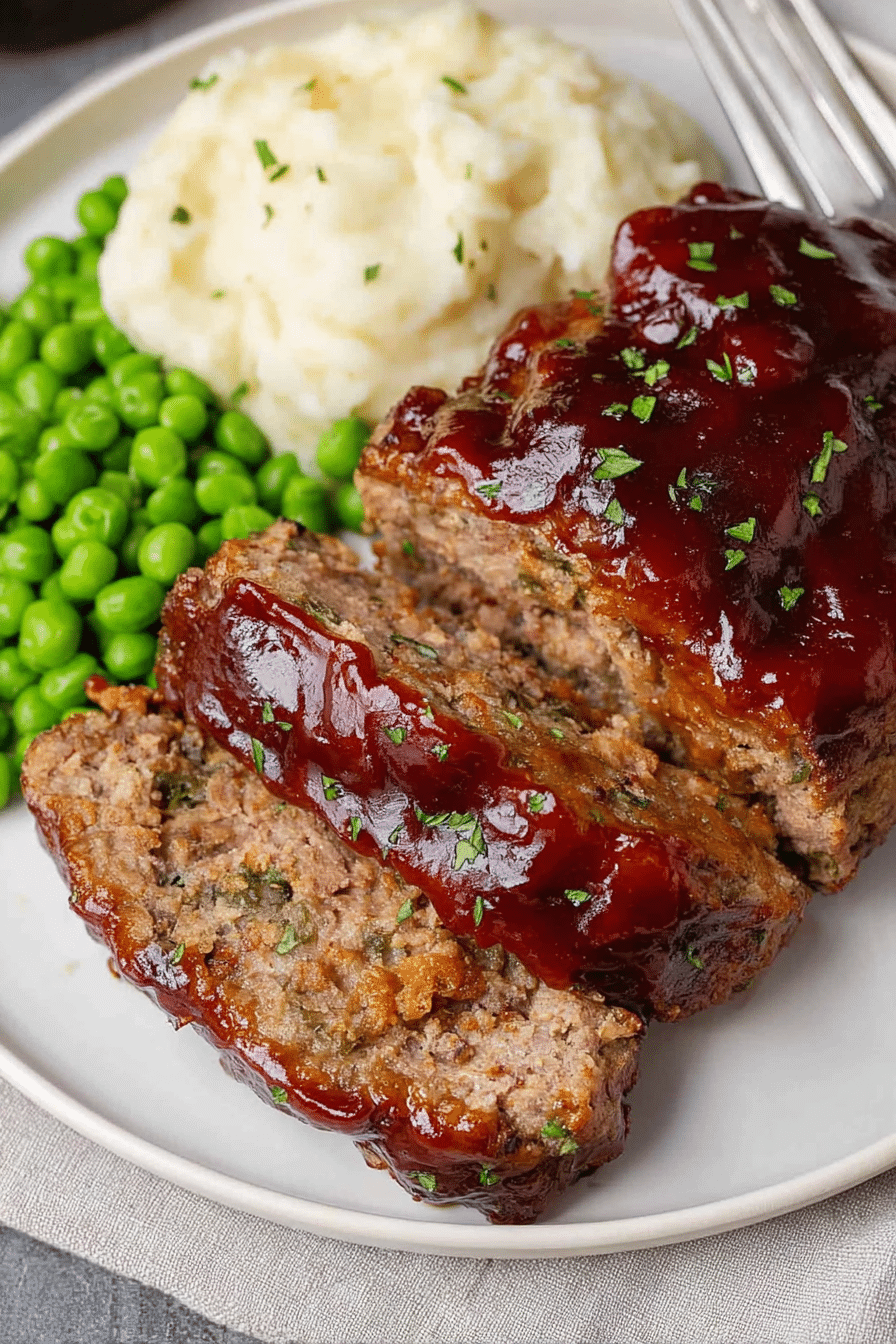
I often double the glaze so there’s extra to simmer and spoon over slices when it comes out of the oven — that warm, sticky coating is what keeps every bite juicy. In my kitchen I lean on a relatively lean ground sirloin and a splash of milk; together they keep the loaf tender without being greasy. The whole thing comes together in about an hour, which is why it’s my go-to for busy weeknights.
If you want to make it slightly healthier, I’ll show you how to swap binders, add more veggies, or tweak the glaze for less sugar without losing that caramelized finish. Read on for everything you need and the small tricks I use to make this meatloaf reliably moist and flavorful.
Why this brown sugar glazed meatloaf is perfect for busy weeknights
This recipe fits a busy schedule because the active time is short and cleanup is minimal. You mix the meat and binders in one bowl, shape it on a sheet or in a loaf pan, and bake — no multiple pots or complicated timing. The glaze does most of the flavor work; it caramelizes in the oven and gives the whole loaf a glossy, appetizing crust while locking moisture inside.
Sensory note: picture a golden-brown exterior, a sweet-savory glaze that crackles gently as it bakes, and the warm smell of brown sugar and Worcestershire that drifts through the house. It’s both comforting and simple to put together, which is exactly what you want on a weeknight.
Everything You Need for Brown Sugar Glazed Meatloaf
Below are the core ingredients and what each one does for the loaf. I’m keeping this conversational so you can swap freely — I’ll notate common gluten-free and healthier substitutions where it makes sense.
- Dark brown sugar – Adds caramelized sweetness to the glaze; can be swapped for honey or maple syrup if you want a different sweetness profile.
- Ketchup – Provides tang and body to the glaze; tomato paste plus a little sweetener can stand in if you prefer.
- Worcestershire sauce – Gives depth and umami to the glaze; a dash of soy sauce (or tamari for gluten-free) works too.
- Ground sirloin (lean) – The primary protein; a lean grind keeps the loaf from feeling greasy while staying flavorful. You can use ground beef, turkey, or a plant-based alternative depending on diet.
- Milk – The secret tenderizer; it softens the crumb so slices don’t dry out. Use dairy-free milk if needed.
- Eggs – Bind the mixture so it holds together when sliced; a flax or chia egg can be used for an egg-free option.
- Kosher salt & ground pepper – Basic seasoning; kosher salt gives even seasoning without over-salting, and pepper adds warmth.
- Onion – Adds moisture and savory sweetness; finely chopped so it blends into the loaf without large chunks.
- Ground ginger – Small and unexpected lift in the background, pairing nicely with brown sugar.
- Finely crushed saltine crackers – A soft binder that soaks up juices; for gluten-free swaps use gluten-free crackers, oats, or finely ground cooked quinoa.
- Fresh rosemary (for serving) – Optional garnish for fragrance and a hint of herbal brightness.
- Optional add-ins – Finely grated carrot, chopped spinach, or cooked quinoa add nutrition and color without changing the texture much.
How to Make Brown Sugar Glazed Meatloaf (Step-by-Step)
- Preheat your oven so it’s fully ready before the loaf goes in; a steady oven temperature gives predictable cooking and an even glaze finish.
- Mix the glaze ingredients (brown sugar, ketchup, Worcestershire) in a small saucepan or bowl. I often make extra so there’s sauce to warm and spoon over finished slices later.
- In a large bowl, add the ground meat, milk, eggs, salt, pepper, finely chopped onion, ground ginger, and crushed crackers. Use your hands or a wooden spoon to mix until everything comes together into a cohesive mass — don’t overwork it or the loaf will be dense.
- Shape the mixture into a loaf roughly the size of your pan (a compact, even shape cooks more predictably than a tall, uneven mound).
- Generously spread the glaze over the top, letting it drip down the sides for maximum caramelized coverage.
- Bake until the internal temperature reads 160°F and the glaze is glossy and set — this usually takes about an hour but will vary with loaf size and oven calibration.
- While the loaf bakes, simmer any extra glaze on low so it thickens slightly; drizzle this over slices when serving for a fresh finish.
- Let the loaf rest for a few minutes before slicing so the juices re-distribute — this keeps each slice moist.
The one ingredient that keeps this meatloaf moist
The small splash of milk is what I call the secret here — it loosens the crumb and helps the binders hydrate so the cooked loaf stays tender. Paired with a relatively lean ground sirloin (look for a low single-digit fat percentage), milk prevents the finished loaf from feeling dry while avoiding excess grease.
Onion also plays a quiet but important role: when finely chopped it melts into the meat as it cooks, releasing moisture and sweet notes that lift the whole loaf. Together, milk and onion make the difference between a dry meatloaf and one that slices moistly without falling apart.
How to make and vary the brown sugar glaze (sweeteners & spices)
- Base method: mix a sweetener (brown sugar) with ketchup and a splash of Worcestershire, then simmer briefly to meld flavors. Reserve extra to reheat and spoon over slices.
- Lower-sugar swap: replace some or all of the brown sugar with maple syrup or honey; reduce simmer time slightly so the glaze doesn’t become too runny.
- Spice variations: add a pinch of smoked paprika for warmth, a little mustard powder for tang, or a touch of cayenne or sriracha if you like heat.
- Umami boost: stir in a small amount of soy sauce or tamari (use tamari for gluten-free) or a dash of fish sauce for depth without making the glaze overtly salty.
- Smoky-sweet: swap part of the ketchup for tomato paste and add a drop of liquid smoke or smoked salt for a barbecue-like finish.
- Sugar-free option: use a sugar-free syrup or a reduced amount of natural sweetener and increase the acidity with a splash of apple cider vinegar to balance flavors.
Add-ins to boost nutrition: vegetables, grains, and gluten-free swaps
- Finely chopped spinach or kale – Fold in raw, well-drained greens to add color and vitamins without changing texture much.
- Grated carrots or zucchini – Adds moisture and natural sweetness; squeeze out excess water from zucchini before mixing.
- Cooked quinoa or oats – Use as part of the binder in place of crackers for extra protein and fiber (quinoa also keeps slices tender).
- Beans – Mashed white beans or chickpeas can stretch the meat, add fiber, and keep the loaf moist; they also work well for a partial vegetarian conversion.
- Gluten-free binder options – Swap crushed gluten-free crackers, gf breadcrumbs, or quick-cooked oats for saltines if you need a gluten-free loaf.
- Flavor boosters – Fresh herbs like parsley or thyme and a little grated Parmesan add savory notes while keeping the loaf approachable for picky eaters.
The best internal temperature and timing for a perfectly cooked loaf
- Target doneness: 160°F internal temperature is the safe and ideal endpoint for this mixed-meat loaf. Use an instant-read meat thermometer inserted into the center for accuracy.
- Timing note: a typical loaf reaches doneness in about an hour, but oven variance, loaf shape, and pan type change cooking time; always trust the thermometer over the clock.
- Resting: let the loaf rest 5–10 minutes after it comes out of the oven so juices settle; this makes slicing neater and keeps the meat moist.
- Oven calibration tip: if your oven runs hot or cold, test it with an oven thermometer and adjust temperature or time accordingly — a steady oven makes the glaze set beautifully without burning.
Pro Tip for brown sugar glazed meatloaf: lean-meat, gluten-free & glaze swap ideas
- I prefer a lean sirloin because it gives good flavor without excess fat; if you use fattier beef, reduce added binders slightly to avoid a greasy loaf.
- Gluten-free binder: swap crushed gluten-free crackers or oats for saltines; if using oats, pulse them briefly so they integrate smoothly into the mixture.
- Glaze swap ideas: for a tangier finish, mix in a little Dijon; for smoky-sweet, add smoked paprika or a splash of molasses. For heat, stir in a small amount of hot sauce.
- Make-ahead tip: shape the loaf the night before, cover, and refrigerate. Bake from chilled (add a few extra minutes) for super-easy weeknight timing.
- Troubleshooting:
- If slices crumble, the loaf needed more binder or more resting time — next time add a touch more cracker or egg and let it rest before slicing.
- If the glaze burns before the loaf is done, loosely tent with foil for the last part of baking while still allowing internal temp to climb.
- If the loaf is dry, try a bit more milk or an additional egg next time and avoid over-mixing the meat when combining ingredients.
How to Store, Reheat, and Meal‑Prep Brown Sugar Glazed Meatloaf
- Refrigerating: store sliced or whole cooked meatloaf in an airtight container in the fridge for up to 3 days. Keep extra glaze separate and reheat to spoon over slices when serving.
- Freezing: portion cooked meatloaf and wrap tightly; freeze up to 3 months. Thaw overnight in the fridge before reheating for best texture.
- Reheating: I like reheating slices in a low oven (about 275–300°F) covered with foil and brushed with a little reserved glaze so they warm evenly without drying. Microwave works in a pinch — cover and heat in short bursts to avoid rubbery texture.
- Meal-prep ideas: slice and pack with mashed potatoes or a salad for lunches, or freeze individual portions for quick dinners—reheat and add a spoonful of warmed glaze for freshness.
Frequently Asked Questions
Can I use a different type of meat for this meatloaf?
Absolutely! While the recipe calls for ground sirloin, you can use ground beef, turkey, or even a meat alternative if you’re looking for a healthier or vegetarian option.
How do I know when the meatloaf is fully cooked?
The best way to check is by using a meat thermometer. Your meatloaf should reach an internal temperature of 160°F to be safely cooked.
Can I make this meatloaf ahead of time?
Yes! You can prepare the meatloaf mixture and shape it into a loaf ahead of time, then cover and refrigerate until you’re ready to bake it.
What can I serve with brown sugar glazed meatloaf?
This meatloaf pairs wonderfully with mashed potatoes, green beans, or a fresh salad! Feel free to get creative with your sides.
Can I freeze leftovers?
Definitely! Cooked meatloaf can be frozen for up to 3 months. Just make sure to portion it out and wrap it tightly before freezing.
Brown Sugar Glazed Meatloaf
Ingredients
Method
- Preheat the oven to 350°F (175°C).
- Mix the brown sugar, ketchup, and Worcestershire sauce in a bowl.
- In a large bowl, mix ground beef, milk, eggs, salt, pepper, onion, ground ginger, and crushed crackers until combined.
- Shape meat mixture into a 9x4 inch loaf.
- Spread the ketchup mixture on top.
- Bake for approximately 60 minutes until the internal temperature reaches 160°F.
- Serve with extra sauce and fresh rosemary.