

I cook this cabbage curry on the nights I want something quick, comforting, and reliably tasty. It lives in my rotation because it comes together fast, uses pantry spices most people already have, and still tastes like I spent longer on it than I actually did. The yogurt softens the cabbage into a silken, slightly tangy coating while the mustard seeds add that instant, lively pop.
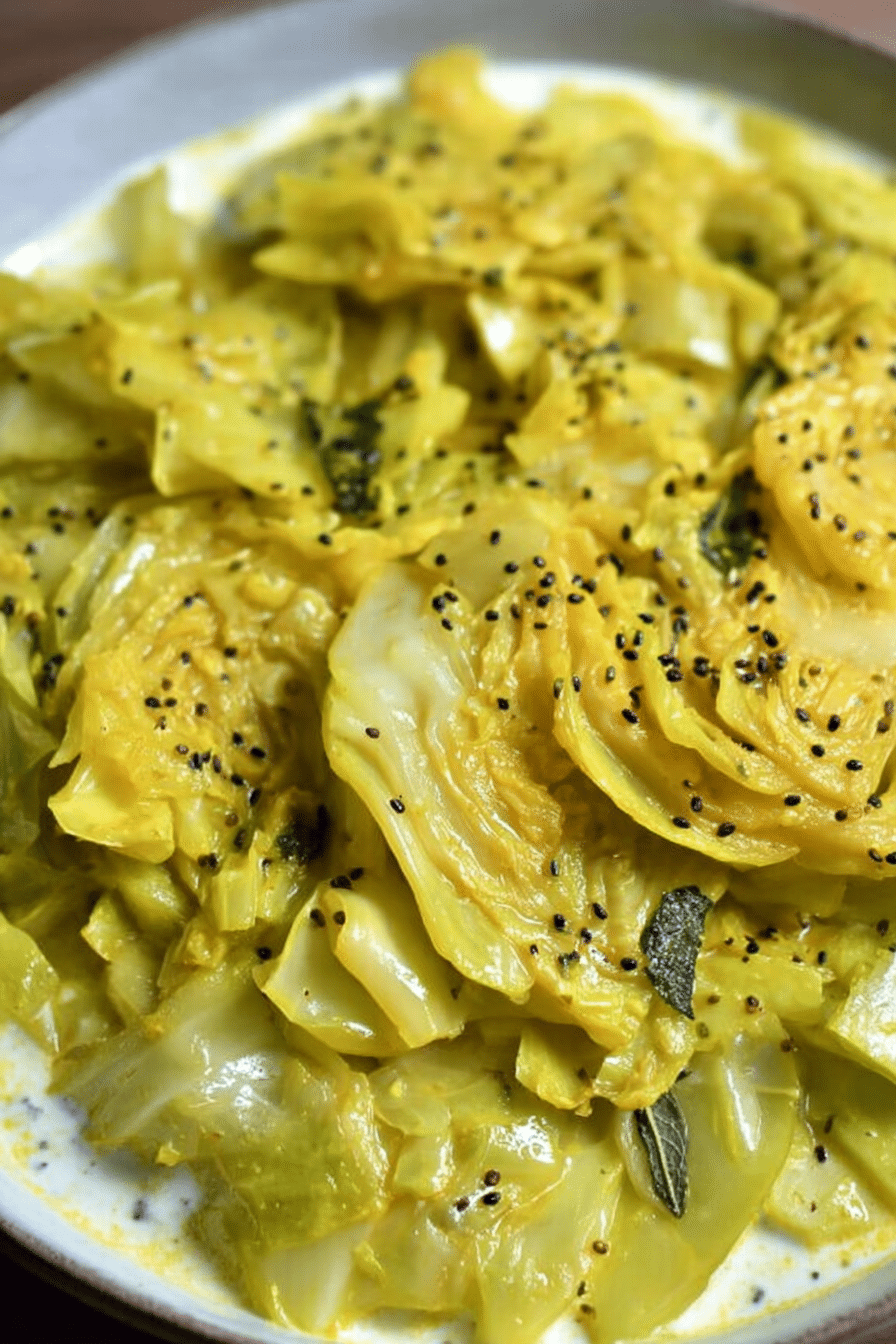
I love how the pan fills with the toasted, savory scent of mustard seeds and the almost floral hint of asafoetida as soon as the oil heats up. The colors are simple but bright: pale-green cabbage turned glossy from the yogurt, flecks of turmeric, and the dark, glossy seeds. For busy cooks, that combination of a short list of steps and an aromatic payoff is exactly what I look for after a long day.
This recipe is forgiving — you can stop after making the spice base (the masala) and return later to finish it, or you can make it all at once for a fast dinner. It reheats well, pairs with rice or flatbread, and is easy to adapt when you’re missing one spice or swapping in what you have on hand.
Why This Cabbage in Mild Yogurt and Mustard Seed Curry Is Perfect for Busy Weeknights
This dish routinely finishes in under 30 minutes on my stove, which makes it ideal for weeknights when time is tight. It leans on pantry staples — oil, mustard seeds, a pinch of aromatic asafoetida, and plain yogurt — so you rarely need a special trip to the store. The result is both filling and light: tender cabbage coated in a mildly spiced, tangy sauce that satisfies without feeling heavy.
On sensory terms: picture the crackle of mustard seeds in hot oil, the savory, slightly pungent aroma of asafoetida, and the creamy, cooling presence of yogurt pulling everything together. That balance of sound, scent, and texture is what makes this dish feel like a real meal, even when the clock is ticking.
Everything You Need for Cabbage in Mild Yogurt and Mustard Seed Curry
Here’s a conversational look at the ingredients and tools so you can get started quickly. I also like to serve this alongside other simple vegetable sides — for a contrasting roasted option try these miso butter roasted cabbage wedges which pair nicely.
- * Green cabbage – The star: provides texture and mild sweetness as it cooks; you can use loose-leaf or compact heads depending on what’s in your fridge.
- * Neutral cooking oil – For tempering spices and transferring the flavors evenly; a neutral oil with a high smoke point is best.
- * Asafoetida (hing) – A tiny amount adds savory depth and helps with digestion; very potent, so a little goes a long way.
- * Black mustard seeds – They pop and release a nutty, peppery aroma; timing here matters for texture and flavor.
- * Plain yogurt – Adds tang and creaminess that softens the cabbage; full-fat options give the creamiest result, but you can use what you have.
- * Salt and dry spices (cumin, coriander, turmeric) – Build color and warm, rounded spice without heat; adjust to taste for a milder or more assertive curry.
Tools to speed prep: a large frying pan or wide skillet for quick, even cooking; a sturdy spatula to toss the cabbage; a colander for rinsing and draining; and a whisk or fork to smooth the yogurt before adding it to the pan.
The Secret to the Perfect Texture: How to Keep Yogurt Creamy
The biggest technical point I learned from making this often is temperature control. Yogurt will split if it hits very high heat suddenly, so you want to bring it toward the pan gently. Use a full-fat or thick stirred yogurt if you can — it holds up better. Before adding it to the hot pan, whisk it smooth so it’s homogeneous and less likely to seize up when heated.
My go-to method is to temper the yogurt: off the heat, whisk a small amount of the hot spiced oil or masala into the yogurt to warm it a touch, then return the mixture to the pan and keep the heat moderate. Stir continuously until the sauce comes together and you see oil glistening at the edges — that’s the visual cue the masala and yogurt have married properly.
Why Mustard Seeds and Asafoetida Matter (Timing & Flavor)
Mustard seeds and asafoetida are small ingredients with big influence. When mustard seeds hit hot oil they pop and release a bright, slightly bitter, nutty heat that lifts the whole dish; that cracking sound is one of my favorite kitchen little pleasures. Asafoetida adds an umami-like, savory background that rounds out the mild spices and pairs especially well with cabbage.
Timing is essential: add mustard seeds to hot oil and listen for the first pops—this is when the aroma is at its best. Asafoetida should hit the oil briefly so it can bloom without burning. These spices also help with digestion, which is why they’re commonly paired with legumes and cruciferous vegetables in many traditional kitchens.
Health Perks: Cabbage + Yogurt for a Gut-Friendly Weeknight Meal
Both cabbage and yogurt bring thoughtful nutrition to the plate. Yogurt contributes live cultures (probiotics) that support gut flora when you choose varieties with active cultures, while cabbage provides fiber that helps digestion and keeps you full. The dish is naturally low in calories yet feels substantial because of the cabbage’s volume and the yogurt’s creaminess.
Vitamin-wise, cabbage supplies vitamin C and vitamin K, and the spices offer antioxidant benefits. If you want another cabbage-forward, gut-friendly option, see how cabbage performs in the best old-fashioned creamy coleslaw for a cold, crunchy contrast.
How to Make Cabbage in Mild Yogurt and Mustard Seed Curry (Step-by-Step)
- Rinse and drain the cabbage pieces well so they don’t add too much water to the pan; pat or shake off excess moisture.
- Heat your pan over medium-high for a short time and warm the oil until it shimmers.
- Add asafoetida so it can sizzle briefly and perfume the oil.
- Stir in the mustard seeds and listen for the first popping sounds; as soon as they begin to pop, remove the pan from direct heat for a moment to avoid overcooking the seeds.
- Off the heat, gradually stir in the whisked yogurt, then return the pan to medium while stirring continuously for about a minute so the yogurt heats evenly without splitting.
- Add the salt and dry spices and cook the masala until the oil starts to separate and glisten at the edges — that’s when the flavors have developed.
- Toss in the cabbage and stir thoroughly so each piece is coated in the masala; if serving immediately, lower the heat and simmer briefly until cabbage is tender-crisp to your liking.
- If you’re not serving right away, you can turn off the heat after combining and reheat quickly later on medium-high for a few minutes just before serving.
- Taste and adjust: add a squeeze of lemon or a sprinkle of fresh herbs for brightness, or fold in chopped chilies for heat if you want it spicier.
Pro Tip for Cabbage in Mild Yogurt and Mustard Seed Curry: Prevent Yogurt from Splitting
- I always bring yogurt to room temperature or whisk it until perfectly smooth before adding it to the pan; colder yogurt shocks the sauce and can cause separation.
- Tempering works: off the heat, whisk a bit of hot masala into the yogurt to raise its temperature slowly before combining it with the rest of the pan.
- After the yogurt goes in, keep the heat moderate and stir constantly until you see the oil gleam at the edges — that glisten is your cue to stop aggressive heating.
- Using full-fat yogurt gives the creamiest, most stable result; if you must use low-fat, be extra gentle with heat.
Troubleshooting
- If the yogurt starts to curdle, remove the pan from the heat and whisk in a small splash of warm water or a drizzle of oil to smooth it out — I’ve rescued curdled sauces this way more than once.
- If the cabbage becomes too soft, shorten the final simmer and aim for tender-crisp next time; a hot, quick toss preserves texture.
- If the mustard seeds burn and taste bitter, start again with fresh oil and seeds — burnt mustard taste is hard to mask.
- If the curry tastes flat, add a little acidity (lemon juice or a sharp vinegar) at the end to brighten the flavors.
Dietary Swaps and Variations: Adapting Cabbage in Mild Yogurt Curry
- Vegan option: swap the dairy yogurt for a thick coconut or plant-based yogurt; choose unsweetened varieties and taste for seasoning adjustments.
- Leafy green swap: try kale or spinach folded in at the end for a darker, iron-rich version.
- Hearty mix-ins: add cooked chickpeas or diced potatoes to make it more of a main-dish curry.
- Seasonal twist: swap in red cabbage for color contrast, or use a mix of cabbages for texture variety.
- Less cleanup one-pan idea: make the masala in the pan, then add pre-steamed cabbage to finish — fast and minimal pots.
- For other yogurt-forward salads and swaps, consider this Greek yogurt egg salad as inspiration for creamy, tang-forward alternatives.
How to Store, Reheat, and Make-Ahead Cabbage in Mild Yogurt Curry
Store leftovers in an airtight container in the refrigerator for up to three days. When you reheat, do it gently: bring the curry to medium-low heat and stir occasionally, adding a splash of warm water or a little oil if it feels thick. Reheating too aggressively can stress the yogurt, so short, gentle warming preserves creaminess and texture.
You can also make the masala ahead and keep it refrigerated, then fold in freshly cooked cabbage when you’re ready to serve. For busy-weeknight planning, this is a lifesaver: the masala part concentrates the flavors, and adding hot cabbage finishes the dish quickly. This approach is similar to how certain make-ahead salads and sides are prepped for easy weeknight meals; for complementary make-ahead ideas see this easy Greek pasta salad.
Serving Suggestions
Serve this curry with steamed rice or warm flatbread to soak up the sauce; a simple side of roasted vegetables or pickles adds contrast. The curry also pairs well with fresh herbs and a wedge of lemon for squeezing at the table.
Frequently Asked Questions
Can I use other vegetables instead of cabbage?
Absolutely! While cabbage is the star of this dish, you can also experiment with other vegetables like kale, spinach, or bell peppers for a different twist.
Is this curry spicy?
This curry is mild, making it perfect for those who prefer a less spicy flavor profile. You can always adjust the spices to suit your taste!
How can I store leftovers?
Leftovers can be stored in an airtight container in the refrigerator for up to 3 days. Just reheat gently before serving!
Can I make this dish vegan?
Yes! You can substitute the yogurt with a dairy-free alternative, like coconut yogurt, to make this dish vegan-friendly.
What can I serve this curry with?
This mild yogurt and mustard seed curry pairs wonderfully with rice, naan, or quinoa for a complete meal!
Cabbage in Mild Yogurt and Mustard Seed Curry
Ingredients
Method
- Place cabbage pieces in a colander and rinse well. Drain cabbage of any excess water.
- Heat oil in a large frying pan on medium-high for 1 minute. Add asafoetida and allow it to sizzle for 10 seconds.
- Add mustard seeds and cook until you hear the first popping sound, about 1 minute. Immediately turn off the heat.
- After 5 minutes, stir in yogurt and turn on the heat to medium, stirring continuously for 1 minute.
- Add salt, cumin, turmeric, and coriander. Cook for about 5 minutes, or until the oil glistens.
- Add cabbage and stir well, ensuring the masala and cabbage are completely combined.
- If ready to serve, reduce heat to low and cook for 5 minutes, or otherwise turn off the heat and reheat on medium-high just before serving.