
The Parmesan Garlic Cabbage Steaks I Make for Healthy, Crispy Sides
- Prep
- 10 min
- Cook
- 25 min
- Total
- 35 min
- Serves
- 4
- Calories
- 250 kcal
Introduction
I fell for cabbage steaks the first time I roasted one until the edges caramelized and the parmesan formed a lacy, golden crust. In my kitchen this became my go-to when I wanted something that felt indulgent without leaning on meat — bright green cabbage, a garlic‑buttery scent, and that satisfying crunch. I still remember standing over the oven, watching the cheese bubble and thinking: why didn’t I try this sooner?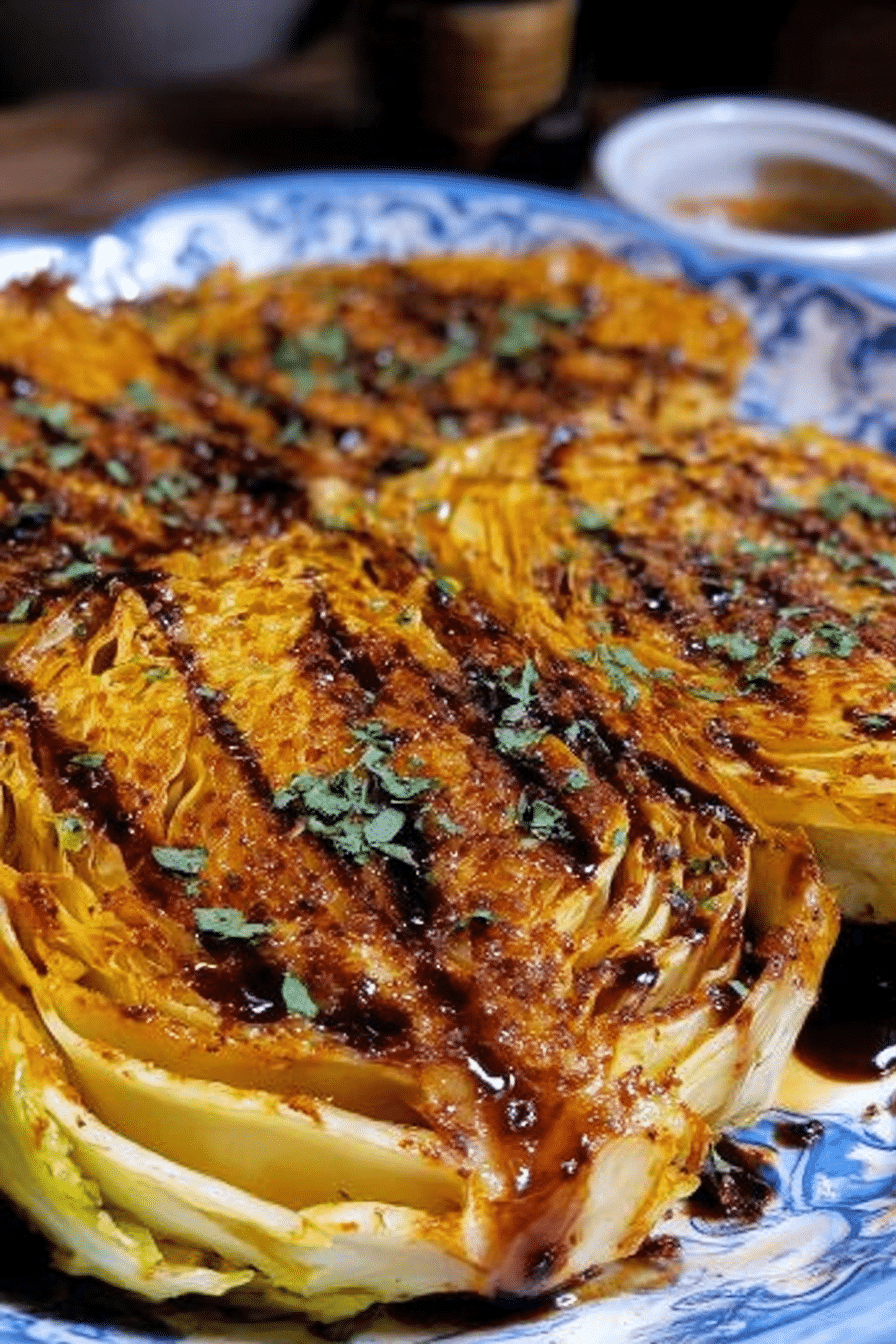
Why Parmesan Garlic Cabbage Steaks Are a Healthy, Satisfying Swap for Meat
Cabbage is an excellent low‑carb vegetable that gives you bulk and satisfaction without a heavy calorie load. Compared to a typical meat side, a cabbage steak offers more fiber and fewer calories while still feeling substantial on the plate.
- Low in carbs, high in fiber — cabbage fills you up and helps steady blood sugar after a meal.
- Rich in antioxidants — compounds like sulforaphane and vitamin C help reduce oxidative stress; these are specific benefits rather than vague claims.
- Good source of vitamin K — important for bone health and blood clotting; a single serving of roasted cabbage can provide a meaningful portion of your daily need.
- Visual appeal matters: the vibrant green cabbage with a golden‑brown parmesan crust makes the plate look as nourishing as it is.
For more on cabbage as a main ingredient, see this related take on cabbage steaks: cabbage steaks.
Everything You Need for Parmesan Garlic Cabbage Steaks
Lay out fresh ingredients and the right tools and the recipe becomes effortless. Using fresh cabbage and freshly grated cheese makes a noticeable difference in texture and flavor.
- Cabbage – The firm head holds together when sliced into steaks; choose one with tight, crisp leaves.
- Olive oil – Coats and helps transfer heat to the cabbage for browning; a neutral oil works too.
- Garlic (minced) – Adds aromatic depth; use fresh for the best punch.
- Parmesan cheese – Creates the crisp, savory crust; freshly grated melts and browns better than pre‑shredded blends. For a vegan alternative, use a firm plant-based grated cheese or a mix of nutritional yeast and ground almonds.
- Smoked paprika, salt, pepper – Simple seasoning that amplifies the cheese and cabbage flavors; smoked paprika gives a subtle charred note.
- Balsamic vinegar or glaze – A bright, tangy finish that cuts through richness.
- Fresh parsley or Italian herbs – For color and a fresh finish.
- Kitchen tools – A sharp chef's knife for even steaks, a baking sheet lined with parchment to prevent sticking, and a silicone brush for oil/garlic application.
For a crisp, cool side that complements these steaks, consider making a classic coleslaw recipe alongside them: classic coleslaw.
Nutrition & Health Benefits: Low‑Carb, Fiber, and Gut-Friendly Facts
Below are approximate nutrition values per one cabbage steak (estimate):
- Calories: ~220 kcal — a satisfying, relatively low‑calorie side compared with many starchy options.
- Fat: ~17–20 g — mostly from cheese and olive oil; these provide satiety and flavor.
- Carbohydrates: ~6–8 g (net carbs lower after fiber) — suitable for low‑carb plans.
- Fiber: ~3–4 g — helps digestion and keeps you feeling full longer.
- Protein: ~8–12 g — from the parmesan; adds to the dish’s staying power.
- Vitamin K: provides a significant portion of daily needs (varies by cabbage size) — important for bone and vascular health.
These numbers are estimates and will vary with cheese quantity and cabbage size. If you enjoy fermented foods, cabbage in general supports gut health ideas — fermented cabbage (sauerkraut) introduces probiotics, while fresh cabbage provides prebiotic fiber. For another quick cabbage option, see our easy fried cabbage recipe: easy fried cabbage.
The Secret to the Perfect Crispy Parmesan Crust
- Use high heat — a very hot oven concentrates browning at the cheese edge and crisps the surface quickly while keeping the interior tender.
- Make a cheese bed — place extra grated parmesan on the sheet and set the cabbage on top so the melting cheese forms a crust beneath and around the edge.
- Don't skimp on oil — the oil helps the seasonings and cheese adhere and promotes even browning.
- Use parchment paper — it prevents sticking and lets the cheese bubble and crisp without tearing the cabbage when you lift it.
- Watch for visual cues — a deeply golden, lacy edge and bubbling cheese are your signals to pull them from the oven.
When you bite in, you should hear a clear, satisfying crunch followed by a soft, slightly sweet interior — that's the texture contrast you're aiming for.
How to Make Parmesan Garlic Cabbage Steaks (Step‑by‑Step)
- Preheat your oven to a high temperature to ensure even cooking and quick browning; line a rimmed baking sheet with parchment.
- Trim the cabbage and slice it into steaks about 1 inch thick, cutting through the stem so each steak holds together. Use one of the halves for multiple steaks and reserve the rest for another use.
- Stir together olive oil, minced garlic, salt, pepper, and smoked paprika. Brush both sides of each cabbage steak with this mixture so they carry flavor into the center.
- Make small piles of grated parmesan on the lined sheet — one for each steak — and set each cabbage steak on its cheese bed so the cheese melts up around the base as it roasts.
- Roast until the cheese is deeply golden and crisp and the cabbage is tender when pierced with a fork (the time will vary but expect around 20–25 minutes). Rotate the sheet once if your oven has hot spots.
- Finish with a drizzle of balsamic vinegar or a light swirl of balsamic glaze and a sprinkle of chopped parsley or Italian herbs. Serve immediately to preserve crunch.
Troubleshooting: Getting Tender, Not Soggy, Cabbage Steaks
I include the problems I ran into the first few times so you can avoid them. Below are common issues and quick fixes — presented as bullets for easy scanning.
- Problem: Soggy edges — Cause: Excess moisture from wet cabbage or insufficient heat. Fix: Pat cabbage dry before seasoning and roast at higher heat; remove any pooled liquid from the pan midway through roasting.
- Problem: Cheese sticks to the pan and tears the cabbage when lifted — Cause: No parchment or too little cheese. Fix: Use parchment and make a proper cheese bed so the melted cheese forms a crisp island under the steak.
- Problem: Undercooked center — Cause: Steaks too thick or oven too cool. Fix: Slice steaks more evenly (about 1 inch), and increase roast time slightly; tent with foil briefly if edges are getting too dark.
- Problem: Burnt cheese before cabbage is tender — Cause: Sheet placed too close to broiler or oven element. Fix: Move sheet to a lower rack, reduce oven rack height, or lower temperature slightly and extend cooking time.
Pro Tip for parmesan garlic cabbage steaks: Make a Parmesan bed for extra crisp
Pro-Tips: (generate this section as a bulleted list for high scannability)
- Lay down a generous pile of grated parmesan on the parchment, then place the cabbage steak on top — the cheese melts and crisps into a lacy edge that prevents sticking.
- Try other hard cheeses if you want a different flavor: aged Pecorino or a sharp Asiago crisp similarly; for a milder nutty note use a well‑aged cheddar sparingly.
- If you need a vegan option, make a textured bed with nutritional yeast mixed with finely ground almonds or breadcrumbs to mimic a crisp base.
- For added caramelization, finish with a brief broil — watch it the whole time; the parmesan goes from perfect to bitter quickly.
How to Store, Reheat, and Make‑Ahead Parmesan Garlic Cabbage Steaks
- Storage: Cool completely and store in an airtight container in the refrigerator for up to 3–4 days.
- Reheating: Reheat in a hot oven or toaster oven on a baking sheet — this restores crunch far better than the microwave. A quick 5–8 minutes at a high temperature usually does the trick.
- Make‑ahead: You can cut and season the steaks a few hours ahead and keep them chilled on a tray; add the parmesan bed just before roasting to preserve the crisping effect.
Easy Variations and What to Serve With These Cabbage Steaks
I like to change up cheeses, spices, and finishing touches to suit the meal — here are quick ideas, listed for easy reference.
- Cheese variations: Swap parmesan for Pecorino for saltier notes, Asiago for a sharper bite, or a mild cheddar for a richer, creamier crust.
- Spice variations: Add red pepper flakes for heat, Italian herb blend for an aromatic twist, or a squeeze of lemon for brightness after roasting.
- Vegan options: Use a firm grated vegan cheese and a binder like a little olive oil plus nutritional yeast to form a crisp layer.
- Pairings: Serve with grilled proteins, a fresh green salad, or tucked into a hearty sandwich. They also pair well with roasted root vegetables or a grain‑free bowl.
For another delicious cabbage side that pairs beautifully with these garlic steaks, try our miso butter roasted cabbage wedges: miso butter roasted cabbage wedges.
Frequently Asked Questions
Can I make these Parmesan Garlic Cabbage Steaks vegan? Yes! You can substitute the parmesan cheese with a vegan cheese alternative or nutritional yeast for a similar flavor.
How do I make sure my cabbage steaks don't get soggy? To prevent sogginess, make sure to brush them with enough oil and roast them at a high temperature until the cheese is crispy.
Can I grill these cabbage steaks instead of roasting them? Absolutely! Grilling adds a nice flavor. Just be sure to monitor them closely to avoid burning.
How long will leftovers last in the fridge? Leftovers can be stored in an airtight container in the refrigerator for up to 3–4 days.
What can I serve with these cabbage steaks? They pair wonderfully with grilled meats, salads, or even as a hearty addition to sandwiches!
Recipe Card
The Parmesan Garlic Cabbage Steaks I Make for Healthy, Crispy Sides
- Prep
- 10 min
- Cook
- 25 min
- Total
- 35 min
- Serves
- 4
- Calories
- 250 kcal
Ingredients
- 4 steakscabbage
- 1/3 cupolive oil
- 1.5 tspminced garlic
- 1/4 tspsalt
- 1/2 tsppepper
- 1 tspsmoked paprika
- 1.5 cupgrated parmesan cheese
- 1 tbspbalsamic vinegar
- —parsley or Italian herbs
Instructions
- 1
Preheat the oven to 425 degrees and line a baking sheet with parchment paper. Wash and slice the cabbage in half vertically. Then slice 'steaks' from one of the halves, about 1 inch thick, and through the stem, so they hold together.
- 2
Combine olive oil, 1/3 cup of grated Parmesan, garlic, salt, pepper, and smoked paprika in a bowl. Brush both sides of the cabbage steaks.
- 3
Using the remaining Parmesan add piles onto the baking sheet, one for each steak (about 1/3 cup for each). Place each cabbage steak onto its cheese bed. Roast for 20-25 minutes, until the cheese is browned and very crispy.
- 4
Before serving, drizzle with balsamic vinegar and add fresh parsley. Eat immediately.
You might also like
Reviews
Be the first to review this.