

I make this French toast casserole when mornings need to be calm but satisfying. Over the years I’ve learned the small things that keep the center custardy and the edges crisp, and I turn to this dish whenever breakfast has to feed a crowd with as little hands-on time as possible.
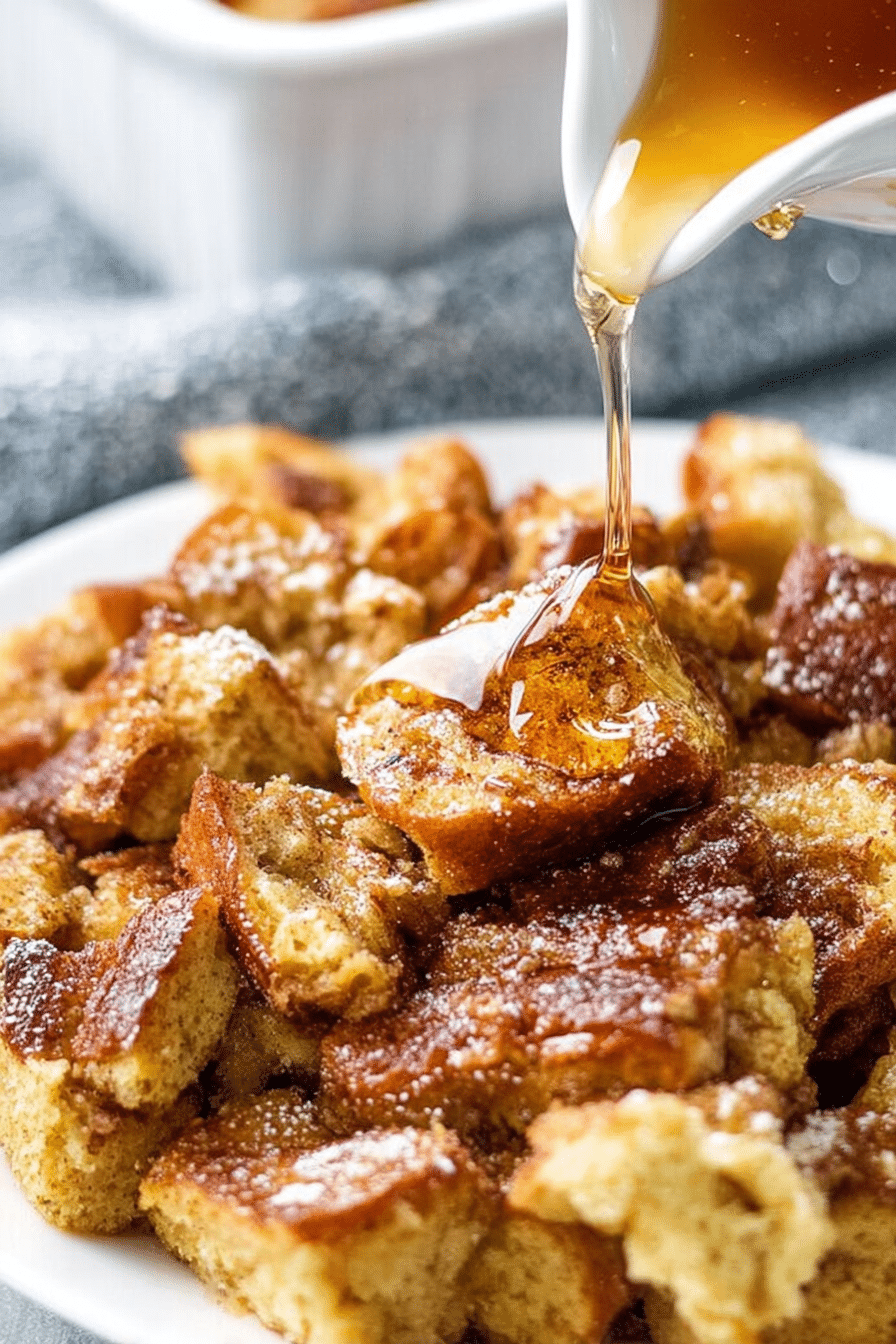
The smell of cinnamon and vanilla filling the kitchen is one of those small comforts I count on to make a morning feel special. Because the casserole bakes all in one pan, you get that warm aroma with very little cleanup — a real win on busy days.
I often prep this the night before so the egg mixture has time to sink into the bread. In the morning I slide it into a hot oven and come back to a golden top and a tender, custardy interior — the kind of breakfast that looks and tastes like effort, but doesn’t take it.
Why This French Toast Casserole Is Ideal for Busy Mornings
This casserole is built for convenience: you can assemble it ahead of time, bake it for a single family-sized batch, and serve straight from the pan. Minimal prep and one pan mean fewer dishes and less running around while everyone else is getting ready. The aroma of vanilla and cinnamon drifting through the house makes mornings feel intentional without extra work.
Because it feeds several people at once, it’s great for families or when you want to offer a warm breakfast for guests. You’ll get crisp edges and a soft, custardy center with very little hands-on time.
Everything You Need for French Toast Casserole
Most of the ingredients are pantry staples, which makes assembly fast. Below I list the key components and why they matter; these notes will help you swap things in and out depending on what you have on hand.
- French or thick-sliced bread – Provides structure; slightly stale bread soaks up custard without collapsing.
- Butter – Used for a caramelized base and to add richness to the bake.
- Brown sugar – Gives a deep, molasses-like sweetness and forms a sticky layer under the bread.
- Eggs – The backbone of the custard; they set the interior and give a tender texture.
- Milk – Adds creaminess; using a higher-fat milk or part cream yields a richer custard.
- Vanilla extract – Brings a warm, aromatic lift to the custard.
- Cinnamon (and optional warm spices) – Cinnamon is the classic choice; a pinch of nutmeg or allspice can be added to deepen flavor.
- Toppings (powdered sugar, fresh fruit, nuts) – Brighten the finished dish and add texture contrast.
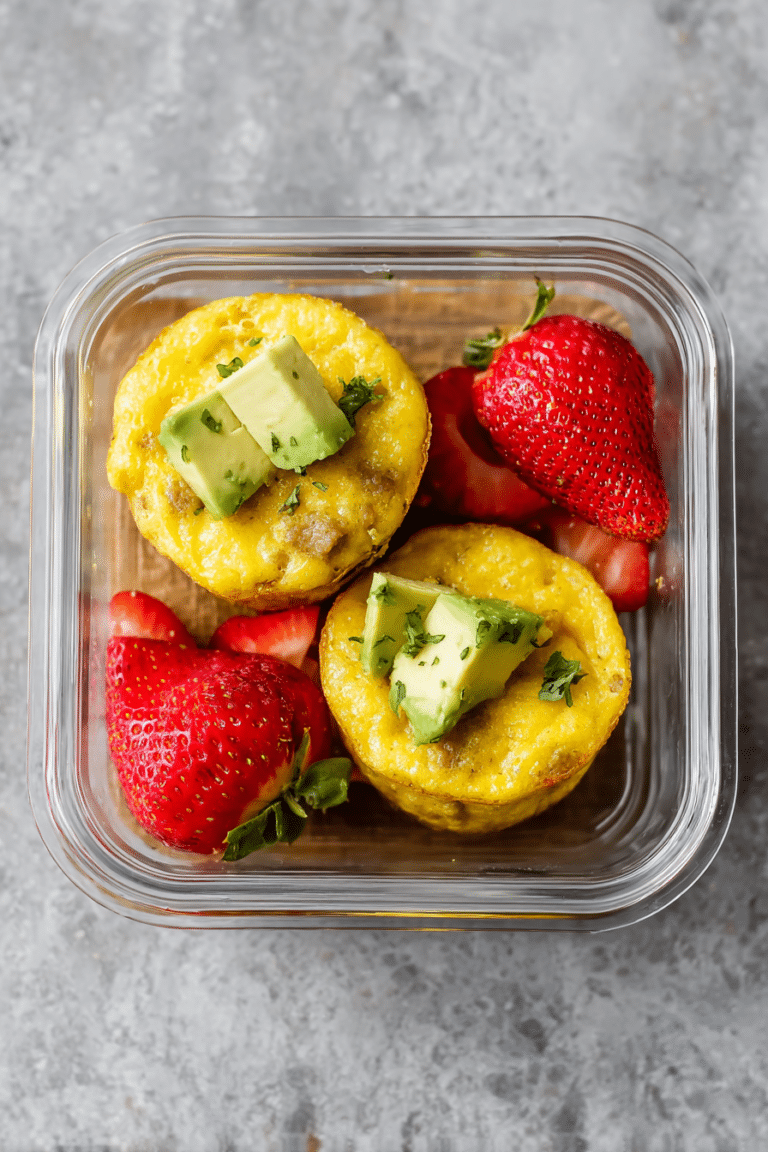
If you enjoy French toast casseroles, you’ll love our baked French toast muffins for a quick breakfast option!
The Secret to a Custardy, Fluffy Texture
The key is time and balance. Letting the bread sit in the egg-milk mixture long enough so it soaks through — but not so long that it falls apart — is what gives you a fluffy, custardy interior with a set structure. The ratio of milk to eggs controls richness: more egg equals firmer set; more milk gives a softer, looser custard.
Using slightly stale bread helps because it drinks in the custard without turning gummy. When you bake, aim for a golden top and a gentle jiggle in the center — that slight wobble means the inside is tender and moist rather than dry.
Tips for Using Stale or Day‑Old Bread
Older bread is an advantage here: it soaks evenly and holds its shape. If your bread is fresh, you can dry it slightly to mimic day-old texture.
- If bread is very fresh, leave cubes uncovered on a baking sheet for an hour or two to dry slightly, or toast briefly in a low oven.
- Use sturdy loaves — brioche, challah, or French bread produce good texture and flavor.
- For contrast, cut some pieces a bit larger so the casserole has flaky, toasty edges alongside soft pockets of custard.
Adjusting Sweetness and Toppings
You control how sweet the casserole ends up by changing how much brown sugar you put under the bread and what you add on top. A lighter sprinkle keeps it balanced; more gives a dessert-like finish. For toppings, think of color and texture: fresh berries brighten the plate, toasted nuts add crunch, and a dollop of whipped cream keeps the mouthfeel airy.
Try topping your casserole with some delicious banana stuffed French toast for an extra layer of flavor!
- Lower-sugar option – Reduce the brown sugar base and finish with a light dusting of powdered sugar or a drizzle of maple syrup at the table.
- Fruit-focused – Layer sliced apples or berries on top before baking for warm fruit pockets.
- Textural kicks – Sprinkle chopped pecans or sliced almonds before baking for crunch.
- Flavor twists – Add a pinch of nutmeg or orange zest to the custard for a subtle lift.
How to Make French Toast Casserole (Step‑by‑Step)
- Preheat your oven so it’s hot and ready when you’re finished assembling; this helps form a golden top quickly.
- Prepare a butter-and-brown-sugar base in the pan so the bottom caramelizes as it bakes.
- Place the cubed bread in the pan, spreading it so pieces are close but not smashed together.
- Whisk the eggs, milk, vanilla, and most of the cinnamon until smooth, then pour evenly over the bread, pressing gently on the cubes so they absorb the custard.
- Sprinkle the remaining cinnamon and a little extra brown sugar on top for a browned, sweet crust.
- Bake uncovered until the surface is golden and the center is set but still slightly soft when you jiggle the pan — about the time it takes most ovens to reach a golden, bubbling finish. If your oven runs hot, reduce time slightly; if using convection, watch closely after the first two-thirds of the bake time.
- Let it rest a few minutes before serving so the custard finishes setting and slices hold together cleanly.
Troubleshooting
- If the center is soggy: I found letting the assembled pan sit for 10–15 minutes before baking helps the bread absorb more custard evenly.
- If the top browns too quickly: I cover the pan loosely with foil partway through baking to prevent burning while the inside finishes.
- If the casserole is dry: I use a touch more milk or an extra egg the next time to increase custard richness.
- If pieces stick to the pan: I butter the pan well and use a thin spatula to loosen edges after resting.
Pro Tip for french toast casserole: How to Prep Overnight (No Morning Fuss)
- Assemble the casserole up to the point of baking, then cover tightly and refrigerate overnight so the bread has time to soak through.
- In the morning, let it sit at room temperature while the oven preheats so it bakes more evenly, then bake as directed.
- For best texture, wait 10 minutes after baking before serving so the custard sets and slices cut neatly.
For another easy breakfast idea, check out our overnight croissant breakfast that can be prepped the night before!
How to Store, Reheat, and Freeze French Toast Casserole
Store leftovers in an airtight container in the refrigerator for up to three days. To reheat and preserve texture, warm individual portions in a preheated oven until heated through — this refreshes the edges better than the microwave. If you need to freeze, cool completely, wrap tightly, and freeze for up to a month; thaw overnight in the fridge before reheating in the oven.
Easy Variations and What to Serve With It
This casserole is a great canvas: fold in chocolate chips before baking for kids, layer sliced apples for an autumnal version, or add cooked sausage and a touch of mustard powder to the custard for a savory take.
- Chocolate and berry – Sprinkle chocolate chips among the bread cubes and finish with fresh berries at serving.
- Apple-cinnamon – Toss thin apple slices with cinnamon and layer on top before baking.
- Savory twist – Mix in cooked bacon or sausage and omit extra sugar for a breakfast-strata feel.
- Nutty crunch – Add chopped toasted pecans or walnuts on top before baking for texture.
Consider serving your casserole with simple sides like crisp bacon, a bowl of fresh fruit, or a batch of roasted potatoes. For a brunch spread, include small pastries or a citrusy salad to balance the richness. Also consider pairing with warm coffee or a spiced tea to complement the cinnamon notes.
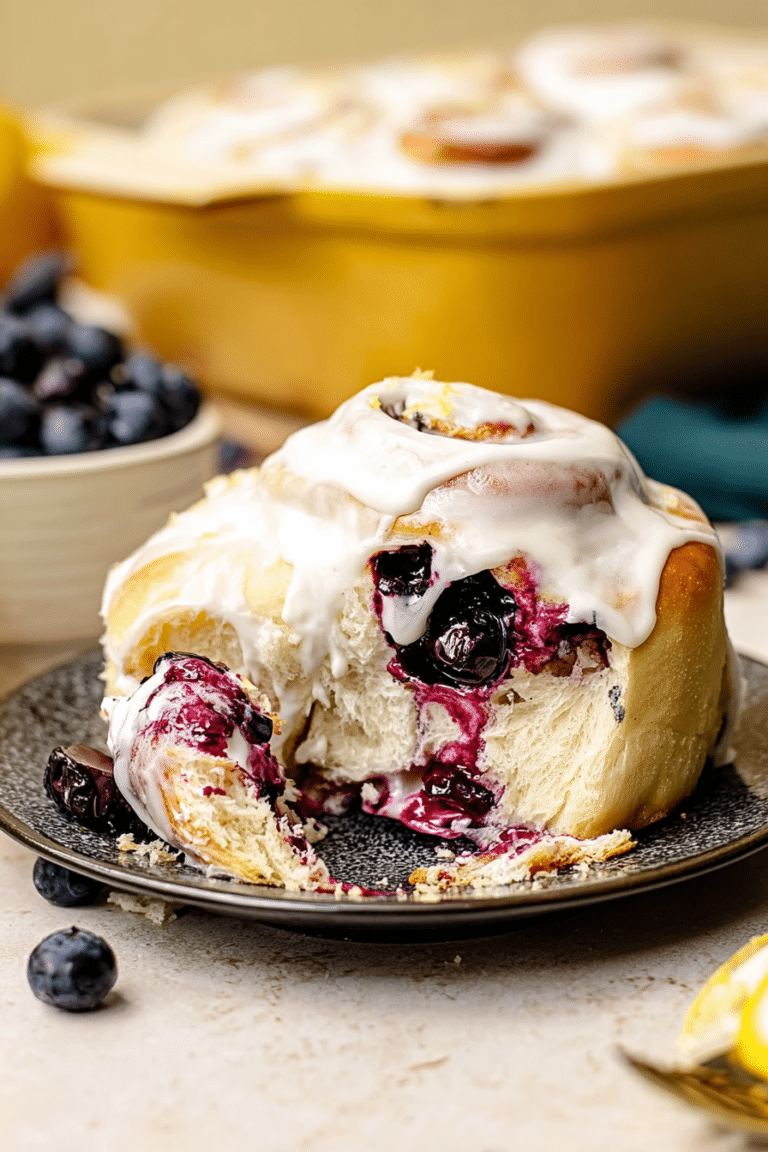
Consider serving your casserole with cinnamon roll French toast bites for a delightful brunch spread!
Frequently Asked Questions
Can I use stale bread for French toast casserole?
Absolutely! Stale or day-old bread is perfect for this casserole as it absorbs the custard mixture better, leading to a custardy and fluffy texture.
How do I store leftovers of French toast casserole?
You can store leftovers in an airtight container in the fridge for up to 3 days. To reheat, simply warm it in the oven at 350°F (175°C) until heated through.
What kind of bread works best for this recipe?
A loaf of French bread works wonderfully, but you can also use brioche, challah, or any thick sliced bread for delicious results.
Can I prepare French toast casserole the night before?
Yes! You can assemble the casserole the night before and refrigerate it. Just bake it in the morning, and you’ll have a hassle-free breakfast!
Should French toast casserole be cooked covered or uncovered?
Bake the French toast casserole uncovered for about 30 minutes, then cover it with foil for an additional 15-20 minutes to prevent over-browning.
French Toast Casserole
Ingredients
Method
- Preheat oven to 425 degrees. Butter a 13x9 inch baking pan and set aside.
- In a small sauce pan, melt butter over medium heat. Once butter has melted, stir in brown sugar until dissolved and mixture is smooth. Pour mixture into the bottom of a 9x13 pan and spread evenly.
- Add bread cubes to the pan, spreading over the top of the brown sugar/butter mixture.
- In a medium sized bowl, whisk together the eggs, milk, vanilla, and 1 tsp of cinnamon. Pour egg mixture over the top of bread cubes, ensuring that all pieces of bread are saturated. Sprinkle with remaining 1 teaspoon of cinnamon and 1 tablespoon of brown sugar.
- Bake in preheated oven for 25-30 minutes until top is golden brown. Remove from oven and sprinkle with powdered sugar if desired. Enjoy!