Poolside RecipeDinner
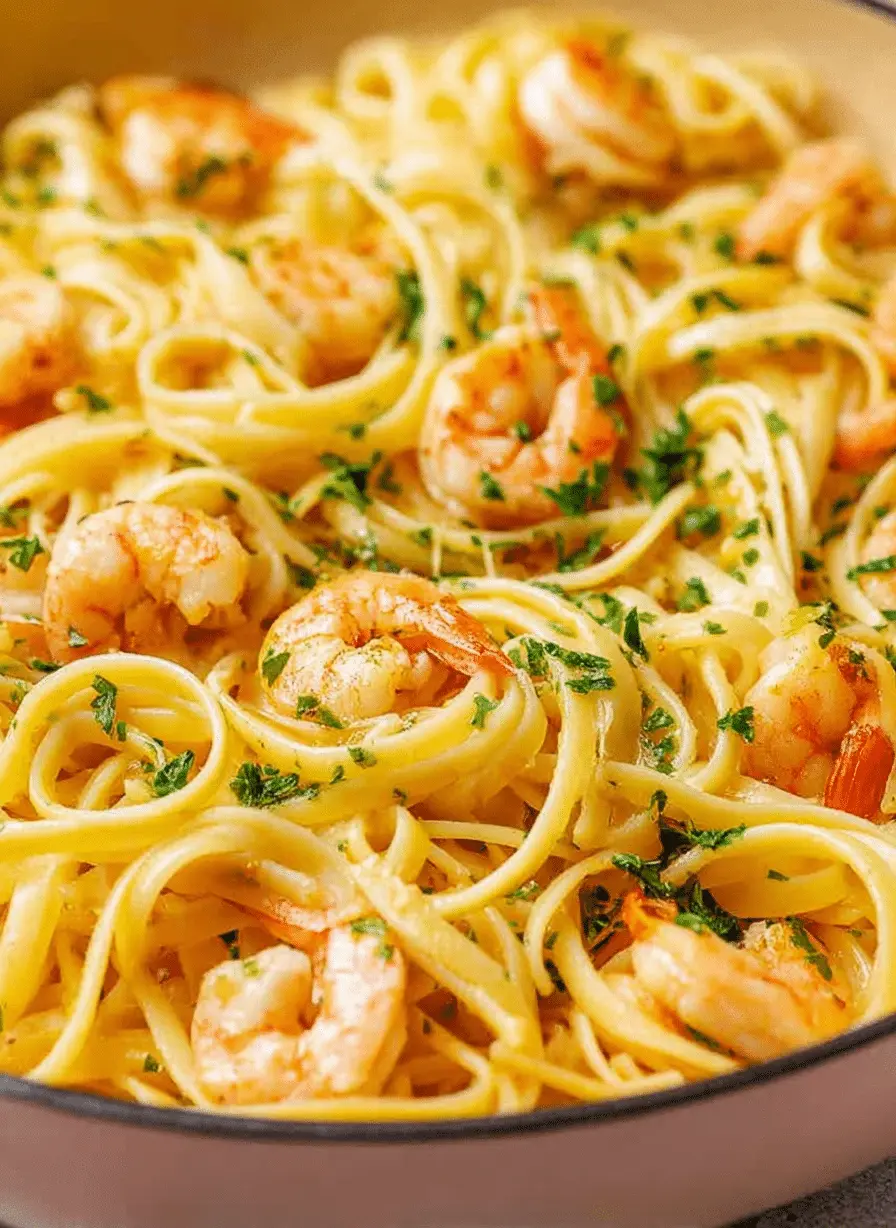
How I Make Garlic Butter Shrimp Pasta in 20 Minutes
- Prep
- 15 min
- Cook
- 30 min
- Total
- 45 min
- Serves
- 5
- Calories
- 400 kcal
Introduction
I’ve cooked this garlic butter shrimp pasta more times than I can count when I need a fast, impressive meal without fuss. In my kitchen it lives in the rotation because it hits three targets: fast timing, minimal ingredients, and restaurant-worthy texture. The first time I got the timing right—shrimp just opaque and a sauce that clung to the pasta—I knew I had a keeper.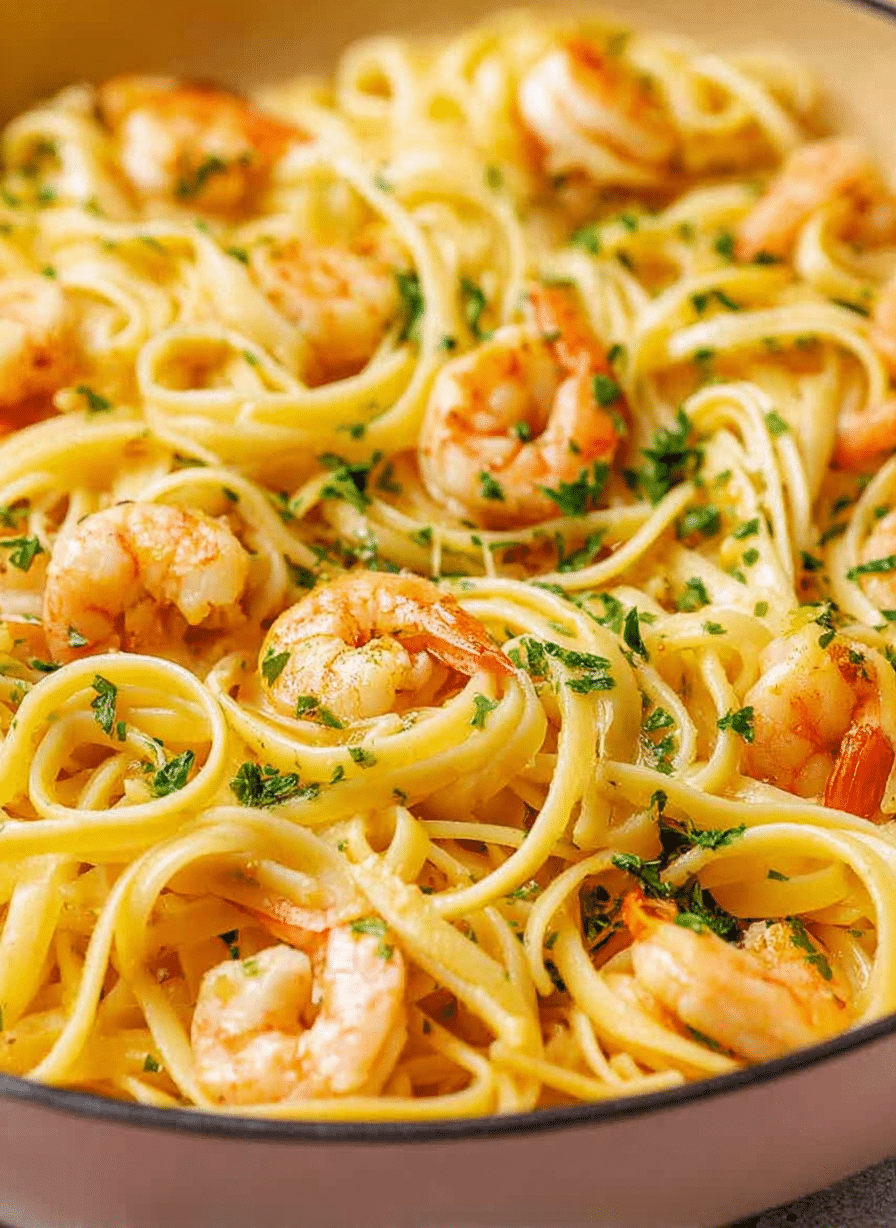
Why This Garlic Butter Shrimp Pasta Works for Busy Home Cooks
This recipe fits weeknights and low-effort entertaining because the active work happens in parallel: pasta cooks while you finish the shrimp and sauce. You get big flavor from a handful of pantry-friendly ingredients, so shopping is simple and prep is short. The dish scales easily for a couple or a small group without complicated steps. Sensory note: as the garlic softens and butter emulsifies, your kitchen fills with a warm, savory aroma that makes the whole meal feel elevated. Because the shrimp cook quickly, you keep bright texture and color—ideal for both casual dinners and a slightly dressed-up night in.Everything You Need for Garlic Butter Shrimp Pasta
Below I explain the core ingredients and tools in a straightforward way so you know why each item matters and how to swap if needed.- Fettuccine (or long pasta) – Provides a broad surface for the garlic-butter sauce to cling to; interchangeable with linguine or spaghetti.
- Shrimp – The star protein; fresh or thawed frozen both work. Look for firm, translucent flesh and a mild ocean scent.
- Garlic – The aroma foundation; mince it just before cooking for the brightest flavor.
- Parmesan cheese – Adds savory depth and helps thicken the sauce through gentle melting; use a freshly grated hard cheese for best texture.
- Butter – The emulsifying fat that gives the sauce silkiness; you can blend with a splash of olive oil for a lighter finish.
- Lemon (zest and juice) – Brightens and balances the richness; always zest before juicing.
- Neutral cooking oil – Used to sear shrimp at high heat without burning the butter.
- Salt and black pepper – Season in layers: pasta water, shrimp, then the finished sauce, tasting as you go.
- Tools – A large pot, a wide skillet, tongs or a slotted spoon, and a box grater for the cheese will keep the process smooth.
The Secret to Tender, Juicy Shrimp Every Time
- Cook shrimp quickly and intentionally: start them on a hot pan so the exterior sears while the interior remains just cooked. You’re watching for a change from translucent to opaque with a light pink band.
- Avoid overcooking by removing shrimp from the pan as soon as they’re done; they’ll carry residual heat and stay tender off the heat.
- If you like a flavor boost, briefly season or marinate shrimp with a little salt, pepper, and citrus zest just before cooking—don’t marinate for long or the texture can change.
- Sensory cue: listen for a confident sizzle and watch for a slight golden edge; that’s when the shrimp are developing flavor without turning rubbery.
The One Thing That Keeps the Sauce Silky
Butter is the key: when you melt butter and combine it with hot pasta and a little starchy pasta water, it emulsifies into a smooth, glossy sauce. Parmesan contributes body and helps the sauce cling to every strand of pasta. For the silkiest result, combine the piping-hot pasta directly in the skillet with the sauce and toss briefly off the heat so the cheese melts into a creamy coating rather than clumping. Small technique tip: reserve a bit of pasta water before you drain—those starchy spoonfuls are the secret to a cohesive sauce that isn’t greasy. If you want another complementary dish for when you serve this, try pairing it with our creamy garlic chicken for a flavor boost.How to Make Garlic Butter Shrimp Pasta (Step-by-Step)
- Bring a large pot of well-salted water to a boil and cook the pasta until just al dente; reserve a small cup of the starchy cooking water before you drain.
- While the pasta cooks, heat a wide skillet over medium-high heat with a touch of neutral oil. Add minced garlic and cook briefly until fragrant but not browned.
- Add butter to the pan; once melted and foaming, add the shrimp in a single layer. Sear without moving for about half the total cook time, then flip and finish until just opaque.
- Remove the shrimp from the pan to avoid overcooking. Add lemon juice, lemon zest, and a splash of the reserved pasta water to the pan to loosen the sauce.
- Return the shrimp to the pan, add grated Parmesan, and stir gently until the cheese melts and the sauce forms. If the sauce seems tight, add more reserved pasta water, a tablespoon at a time, until it’s silky.
- Add the drained pasta to the skillet and toss quickly so the sauce coats the pasta evenly. Finish with a grind of black pepper and adjust salt to taste.
Pro Tip for Garlic Butter Shrimp Pasta: Sear Shrimp Briefly on High Heat
- I prefer a hot pan and a single quick sear to build flavor; this creates a caramelized edge while keeping the interior tender.
- Don’t overcrowd the skillet—if the pan is crowded the shrimp will steam instead of sear, which reduces flavor and prevents browning.
- If you want maximum flavor, let the shrimp develop a tiny bit of color before flipping; that short browning adds depth without risking dryness.
Troubleshooting
- If the shrimp are rubbery: I’ve learned this means they were overcooked. Next time, remove them a touch earlier—carryover heat will finish them.
- If your sauce separates or looks greasy: add a splash of reserved pasta water and toss off the heat to bring it back together.
- If garlic burns: I always lower the heat before adding butter and shrimp; burnt garlic turns bitter and will ruin the sauce.
How to Store and Reheat Garlic Butter Shrimp Pasta
Store leftover pasta in an airtight container in the refrigerator and use within one to two days for best texture. Portioning into single-serving containers makes reheating easier and reduces overcooking. To reheat without overcooking the shrimp, warm the pasta gently in a skillet with a small splash of water or broth over low heat, covering briefly to steam through. Avoid very high heat in the pan or microwave bursts that can make shrimp tough—reheat slowly until just warmed.Easy Variations: Gluten-Free, Lighter, and Vegan Swaps
- Gluten-free – Use a good-quality gluten-free long pasta or try zucchini ribbons if you want a low-carb option.
- Lighter – Reduce butter, use a combination of butter and olive oil, and bulk the dish with extra vegetables like spinach or cherry tomatoes.
- Vegan – Replace shrimp with firm-roasted mushrooms or pan-seared tofu and swap butter for vegan butter; use a plant-based grateable cheese for the same savory finish.
- If you prefer a quick shortcut for the protein, consider adding this easy air fryer shrimp to the pasta instead of pan-searing.
Pairing Suggestions: Sides and Wines to Complement the Dish
- Salad – A crisp green salad with lemon vinaigrette cuts the richness and adds a fresh contrast.
- Vegetables – Roasted asparagus or sautéed green beans with a squeeze of lemon pair well with the buttery sauce.
- Bread – A crusty baguette is ideal for mopping up any remaining sauce.
- Wine – Choose a light, crisp white wine—think unoaked Chardonnay or a bright Sauvignon Blanc—to match the seafood and butter.
- Another fantastic option to complement your meal is garlic butter salmon which matches perfectly with the pasta.
Tips for Sourcing Sustainable Shrimp or Locally Sourced Ingredients
When possible, buy shrimp labeled with recognized sustainability certifications or ask your fishmonger about origin and farming practices. Local seasonal produce often has better flavor and can brighten the dish while reducing environmental impact. Ask questions at the seafood counter—I always ask whether shrimp were wild-caught or farmed and where they came from; that information helps me choose the most responsible option available.Frequently Asked Questions
How long does it take to make Garlic Butter Shrimp Pasta? The total time for making Garlic Butter Shrimp Pasta is about 1 hour, including 15 minutes of prep and 45 minutes of cooking. What type of pasta works best for this recipe? Fettuccine is used in this recipe, but you can also use other types of pasta like spaghetti or linguine if you prefer. Can I make this recipe gluten-free? Yes! You can substitute regular fettuccine with gluten-free pasta to enjoy a gluten-free version of Garlic Butter Shrimp Pasta. What can I serve with Garlic Butter Shrimp Pasta? To complement this dish, consider serving a side of roasted vegetables, a fresh salad, or crusty bread to soak up the delicious sauce. How can I ensure my shrimp stay tender? Sauté the shrimp over high heat for a short time until they turn opaque, and remove them from the pan before making the sauce. This prevents overcooking and keeps the shrimp tender.Recipe Card
How I Make Garlic Butter Shrimp Pasta in 20 Minutes
- Prep
- 15 min
- Cook
- 30 min
- Total
- 45 min
- Serves
- 5
- Calories
- 400 kcal
Ingredients
- 12 ozFettuccine
- 1 lbShrimp
- 4 cloveGarlic
- ½ cupParmesan Cheese
- 4 tbspButter
- ¼ juiceJuice of Lemon
- ¼ lemonLemon Zest
- 2 tbspCooking Oil
- —Sea Salt
- —Black Pepper
Instructions
- 1
In a large pot boiling salted water, cook fettuccine pasta until al dente, drain well then set aside.
- 2
In a pan, heat cooking oil over medium heat. Cook garlic until fragrant for 2 minutes.
- 3
Melt butter in the same pan then cook shrimp. Stir occasionally until the shrimp turn opaque white with some pink for about 4-6 minutes.
- 4
Add lemon juice, lemon zest, parmesan cheese, salt, and black pepper. Stir until combined and the parmesan cheese melted.
- 5
Transfer the fettuccine into a pan, stir until evenly distributed.
- 6
Garnish with parsley before serving.
- 7
Enjoy!
You might also like
Reviews
Be the first to review this.