

I make these Greek zucchini fritters whenever summer squash piles up in my kitchen and I want something fast, fresh, and a little bit special. They come together quickly, take advantage of bright herbs and salty feta, and—if you follow a couple of simple steps—turn out crisp on the outside and tender inside. I often double the batch and stash extras in the freezer so a quick snack or dinner appears in minutes on a busy night.
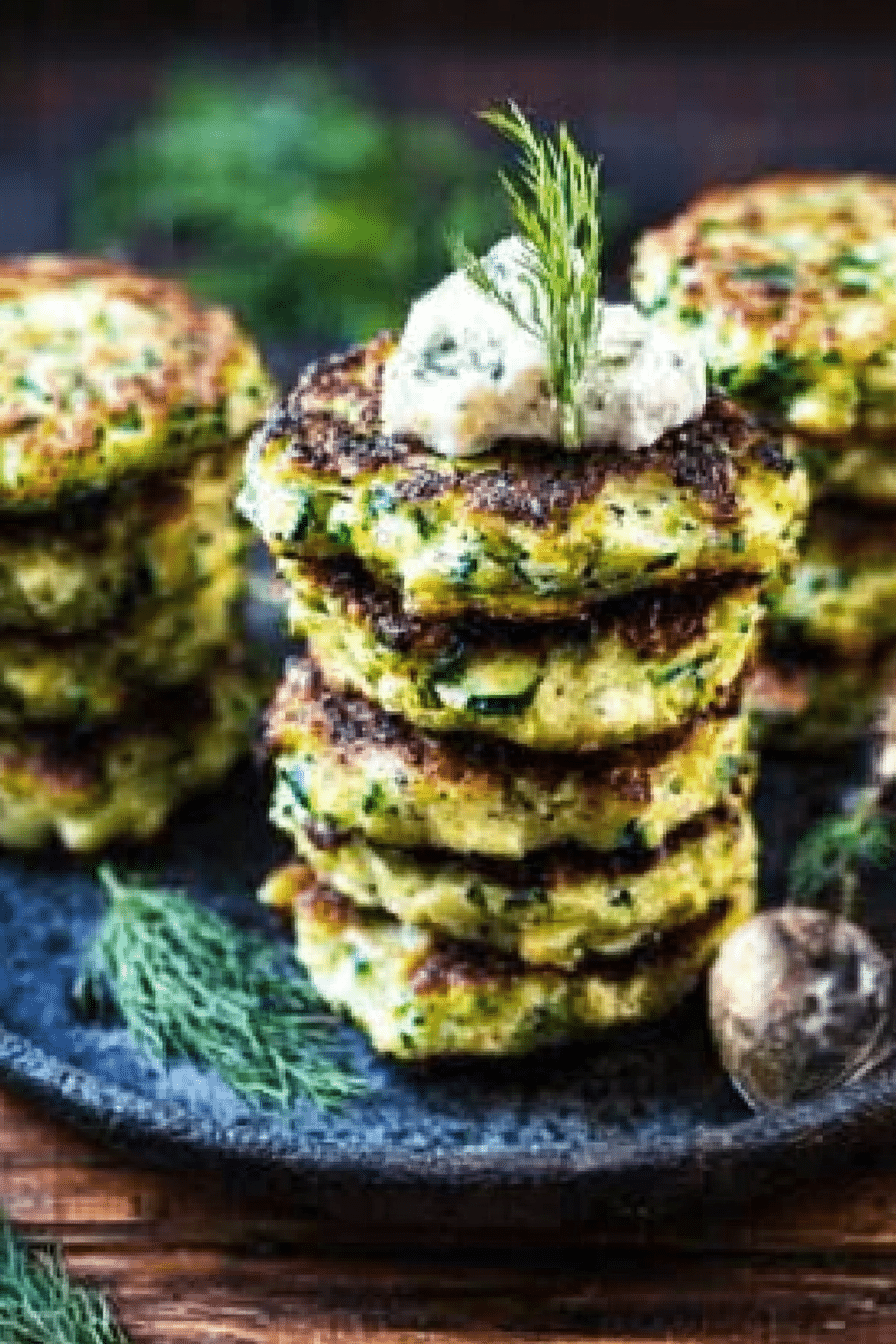
I love how forgiving this recipe is: the technique matters more than obsessive measuring, and small swaps keep the flavor bright if you’re missing an ingredient. In my kitchen, the fritters sizzle in a cast-iron skillet, fill the air with a fresh-herb aroma, and have that satisfying crunch when you bite in. They’re also perfect to make ahead—the freezer is your friend.
These fritters are wonderfully versatile: serve them as an appetizer with a cooling tzatziki, pile them on a grain bowl for lunch, or pair with a light protein for dinner. They come together fast, taste brighter than they sound, and are one of those recipes I keep returning to when I want something simple but memorable.
Why these Greek zucchini fritters are perfect for busy cooks
Quick prep, short cook time, and easy make-ahead options make these fritters ideal for a busy calendar. Here’s what makes them a go-to in a busy kitchen:
- Short total time: you can start, cook, and be eating in about 40 minutes if you’re efficient.
- Batch-friendly: make a double batch and freeze extras for nights when you need dinner fast.
- Flexible service: use them as an appetizer, side, or vegetarian main—easy to adapt to what you already have on hand.
- Sensory payoff: a crisp, golden crust that snaps gently when you bite in, with a fresh dill aroma and salty pockets of cheese.
Everything You Need for Greek Zucchini Fritters
Here’s a conversational rundown of ingredients and tools—no measurements here, just purpose and substitution ideas so you can adapt to what’s in your pantry.
- Zucchini / Summer squash – The base; choose firm, fresh squash. Grating releases moisture you’ll need to manage.
- Salt – Draws out extra water from the grated squash so the fritters crisp up.
- Green onion or white onion – Adds a mild sharpness; green onion keeps things bright.
- Fresh dill (or flat-leaf parsley) – Fresh herbs give the fritters their Greek character; parsley is a bright swap.
- Feta cheese – Salty, tangy pockets of flavor; goat cheese or dairy-free ricotta are possible alternatives.
- Egg – Binds the batter so the fritters hold together; for vegan swaps, use a flax egg or chickpea flour mix.
- All-purpose or gluten-free flour – Provides structure; chickpea or almond flour can work with small adjustments to binding.
- Baking powder – Helps the fritters puff slightly for a tender interior.
- Nutmeg, salt & pepper – Subtle warm notes from nutmeg and seasoning to taste.
- Olive oil – For frying; use a neutral oil if you prefer less olive flavor.
- Optional: lemon zest – Brightens the overall flavor.
- Equipment – Grater or food-processor grate attachment, mixing bowls, a clean kitchen towel or nut-milk bag for wringing, nonstick or cast-iron skillet, and a baking sheet to finish in the oven.
If you love other zucchini ideas, you can transform zucchini into noodles for a light meal too: zucchini noodles are a great companion to fritters or an alternate way to enjoy summer squash.
The secret to extra-crispy fritters (no soggy middles)
Getting crisp fritters is mostly technique—remove moisture, don’t overcrowd the pan, and finish in the oven for even cooking. Follow these focused steps:
- Salt the grated zucchini and let it sit to draw out water; this step is non-negotiable for crisp edges.
- Press and wring the zucchini thoroughly until it feels much drier—drier batter equals crisper fritters.
- Use a hot skillet and avoid overcrowding; sear to form a golden crust before moving to the oven.
- Finish on a warm rack in the oven so the interior cooks through and puffs without over-browning the exterior.
Sensory note: when the fritters hit the hot oil you should hear a confident sizzle; that sound means you’re on the right track.
How to remove zucchini water fast — salt, rest, and wring
Do this step well and the rest of the recipe becomes easy. Quick guide:
- Grate the zucchini and place in a bowl; sprinkle with salt and stir to distribute.
- Let the bowl rest for about 15–20 minutes so the salt draws out moisture.
- Transfer to a strainer and press down to remove surface water.
- Dump the zucchini onto a clean kitchen towel or nut-milk bag, gather the corners, and wring firmly until mostly dry—the texture should feel tacky but not soggy.
- Check dryness by pressing a small handful; if water beads on your hand, wring a bit more.
Texture contrast: unprepared grated zucchini is limp and watery; after salting and wringing it feels firmer and slightly coarse—perfect for a light, crisp fritter.
Herb and cheese swaps that keep the flavor bright
Small swaps keep the fritters feeling fresh and let you adapt to dietary needs or pantry finds. Try these ideas:
- Dill → flat-leaf parsley for a cleaner, greener taste, or basil for a sweeter, summer-forward note.
- Feta → crumbled goat cheese for creaminess, or a firm sheep’s cheese for salt and texture. For dairy-free, use a tangy plant-based ricotta or nutritional yeast plus a little extra salt.
- Green onion → thinly sliced shallot or chives for milder onion flavor.
If you want another way to use zucchini that stays crispy and snackable, try crispy parmesan zucchini fries for a playful side dish alongside the fritters.
How to Make Greek Zucchini Fritters (Step-by-Step)
Follow this concise, user-friendly sequence while keeping an eye on texture at each point—these bullets include expected consistencies and quick troubleshooting tips.
- Grate zucchini and toss with salt; let rest so water is drawn out (15–20 minutes).
- Press and wring the zucchini until it’s noticeably drier—this is the key to crispness.
- Whisk the egg in a bowl; add the drained zucchini, chopped herbs, green onions, crumbled cheese, lemon zest (if using), nutmeg, and seasoning. The mixture should be thick and sticky—not soupy.
- Sift in the flour and baking powder; fold until combined. If the batter feels too loose, add a little more flour or a handful of breadcrumbs to tighten it.
- Heat oil in a skillet over medium heat until shimmering. Spoon ping-pong-sized portions of batter into the pan, flattening slightly. Sear until golden (about a few minutes each side) and transfer to a warm oven to finish cooking through and puff up.
- Make in batches so the pan remains hot and the fritters can brown properly; overcrowding steals heat and yields soggy edges.
Troubleshooting tips while you cook:
- If the fritters brown too quickly but are still raw inside, lower the heat and extend oven finish time.
- If they fall apart, the batter may be too wet—drain and wring more zucchini or add a touch more flour.
- If they’re dense, don’t overmix the batter; fold gently and let them rest briefly before frying.
Pro Tip for greek zucchini fritters recipe: Wring, Rest, Oven-Finish
Pro-Tips, Troubleshooting, and Variations are presented as bulleted lists for quick scanning.
- I always salt and rest the grated zucchini first—this single step lifts the entire result from floppy to crisp.
- Wring until the zucchini feels tacky, not dripping; I often press a handful in my towel to check.
- Finish the seared fritters briefly in a warm oven so they cook all the way through without over-browning the crust.
- Time management: while the zucchini rests, prep herbs and cheese so you can move straight to mixing and frying.
Easy variations and serving suggestions (GF, vegan options)
Keep these options handy to adapt the fritters for different diets or pairings:
- Gluten-free: swap a gluten-free flour blend or chickpea flour; if using almond flour, add an extra egg for binding.
- Vegan: use a flax or chia egg and bind with chickpea flour; add a touch of nutritional yeast for savory depth.
- Crispier coating: toss the drained zucchini in panko (or gluten-free panko) before shaping; panko gives extra crunch.
- Serving ideas: dollop with tzatziki or plain Greek yogurt, serve alongside a fresh salad, or add to a grain bowl for a filling meal.
- Pairings: serve with a crisp white wine or alongside classic Greek sides for a full meal—try pairing with a lemony soup or simple roast chicken.
For a refreshing twist on a zucchini-forward meal, consider serving these with easy falafel salad bowls or pairing them with a bowl of Greek lemon chicken soup with orzo for a comforting, balanced spread.
How to store, freeze, and reheat fritters so they stay crisp
Follow these steps to preserve texture and flavor when saving leftovers:
- Cool fritters on a wire rack so air circulates and the crust doesn’t steam soft.
- To refrigerate: place in a single layer with parchment between layers and use within a couple of days.
- To freeze: flash-freeze on a tray until firm, then transfer to a sealed bag; freeze for several weeks.
- To reheat crisp: bake or air-fry from frozen or thawed at moderate heat until hot and re-crisped—avoid microwaving if you want crunch.
Imagine biting into a reheated fritter that still snaps a little at the edges—that’s what proper cooling and reheating will give you.
Nutritional Breakdown
Per fritter (approximate):
- Calories – ~191 calories each.
- Fat – Around 12.5 g, largely from olive oil and feta.
- Carbohydrates – About 14.4 g, from the flour and squash.
- Protein – Roughly 6.3 g, due to egg and feta.
Health notes: zucchini brings vitamins and water to the mix while feta adds protein and calcium. To reduce calories or fat, pan-fry with less oil and finish in the oven, or bake small cakes on a lined sheet for a lighter approach.
Frequently Asked Questions
What are zucchini fritters called in Greek? In Greek, zucchini fritters are called Kolokithokeftedes. Traditional versions often include dill, mint, and sometimes more herbs than a typical backyard recipe.
What is the best binding agent for zucchini fritters? Panko breadcrumbs make a very crispy binder, but all-purpose flour works well too. For gluten-free options, use gluten-free breadcrumbs, chickpea flour, or add an extra egg if using almond flour.
What are some common mistakes when making fritters? Over-mixing the batter can lead to a tough texture. Also, not removing enough moisture from the zucchini or overcrowding the pan are common errors that cause soggy fritters. Rest the batter briefly and give each fritter room to brown.
How do I make sure my zucchini fritters are crispy? Grate the zucchini, salt it, and let it sit for about 15–20 minutes to remove moisture. Wring out the zucchini well and use a hot pan. Finish the fritters in a warm oven to cook through while maintaining a crisp exterior.
Can I make these fritters gluten-free? Yes. Substitute the all-purpose flour with a gluten-free flour blend or almond flour; if using almond flour, add an extra egg for better binding.
Greek Zucchini Fritters Recipe
Ingredients
Method
- Grate the zucchini and sprinkle with salt, letting it sit for 15-20 minutes.1 tsp salt, 0.5 cup chopped green onion
- Press down on the salted zucchini to remove excess water.1 tsp salt
- Combine grated zucchini with remaining ingredients in a bowl.1 tsp salt, 0.5 cup chopped green onion, 0.25 cup fresh dill, 0.5 cup crumbled feta cheese, 1 large egg, 0.5 cup all-purpose flour, 0.5 tsp baking powder
- Drop spoonfuls into a hot skillet and cook until golden brown on both sides.0.25 tsp fresh nutmeg, 0.25 tsp salt
- Serve warm with tzatziki sauce.