The Hawaiian Carrot Pineapple Cake My Guests Always Ask For
- Prep
- 20 min
- Cook
- 40 min
- Total
- 60 min
- Serves
- 12
- Calories
- 350 kcal
- Carbs
- 45.00 g
On this page15 quick jumps
TOC
15 quick jumps
Introduction
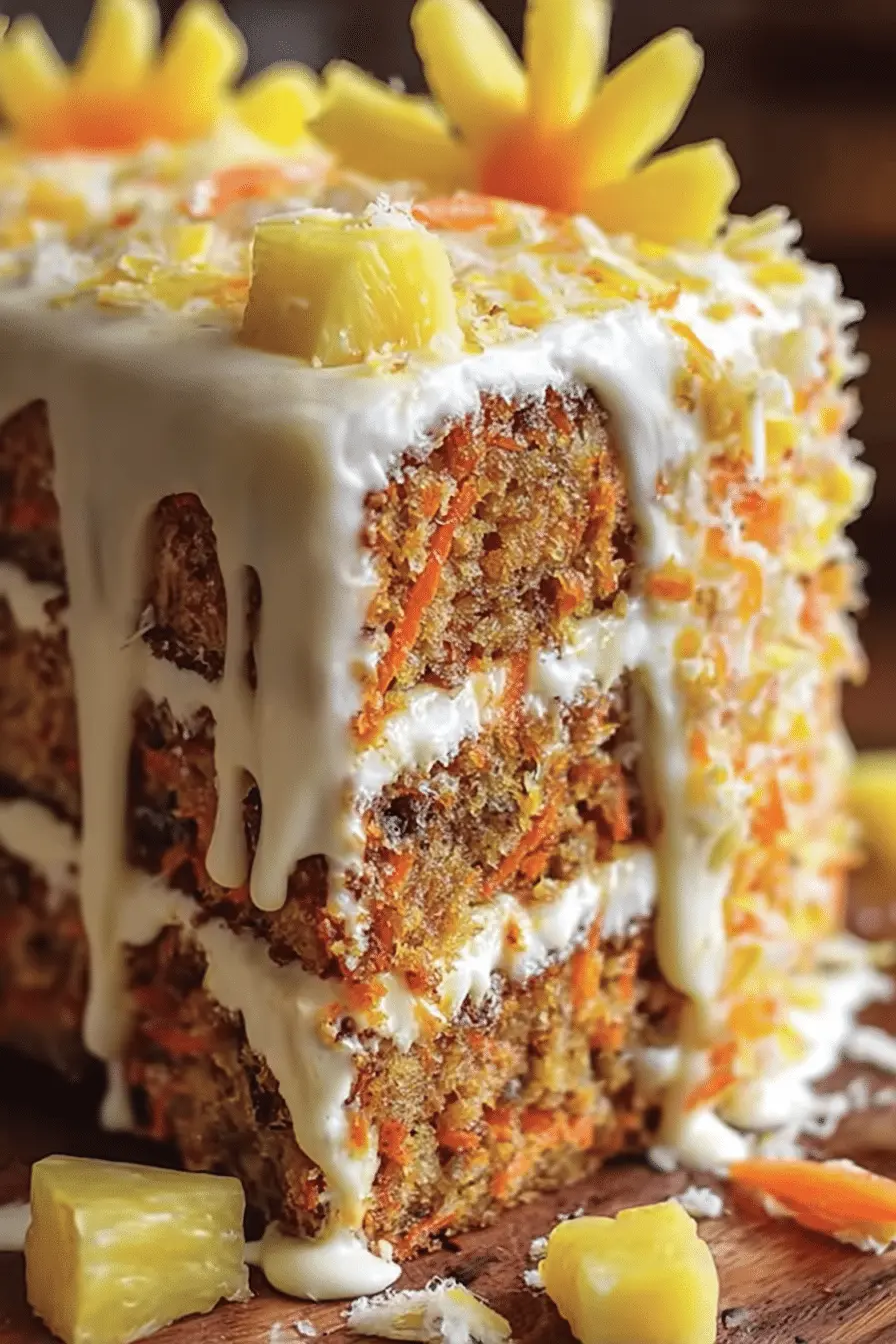
I make this Hawaiian Carrot Pineapple Cake whenever I want a dessert that announces the party before the first guest arrives. In my kitchen the warm cinnamon and pineapple aroma spreads through the house, and people start asking when the cake will be ready. It’s bright, festive, and—best of all—simple enough to scale up for a crowd.
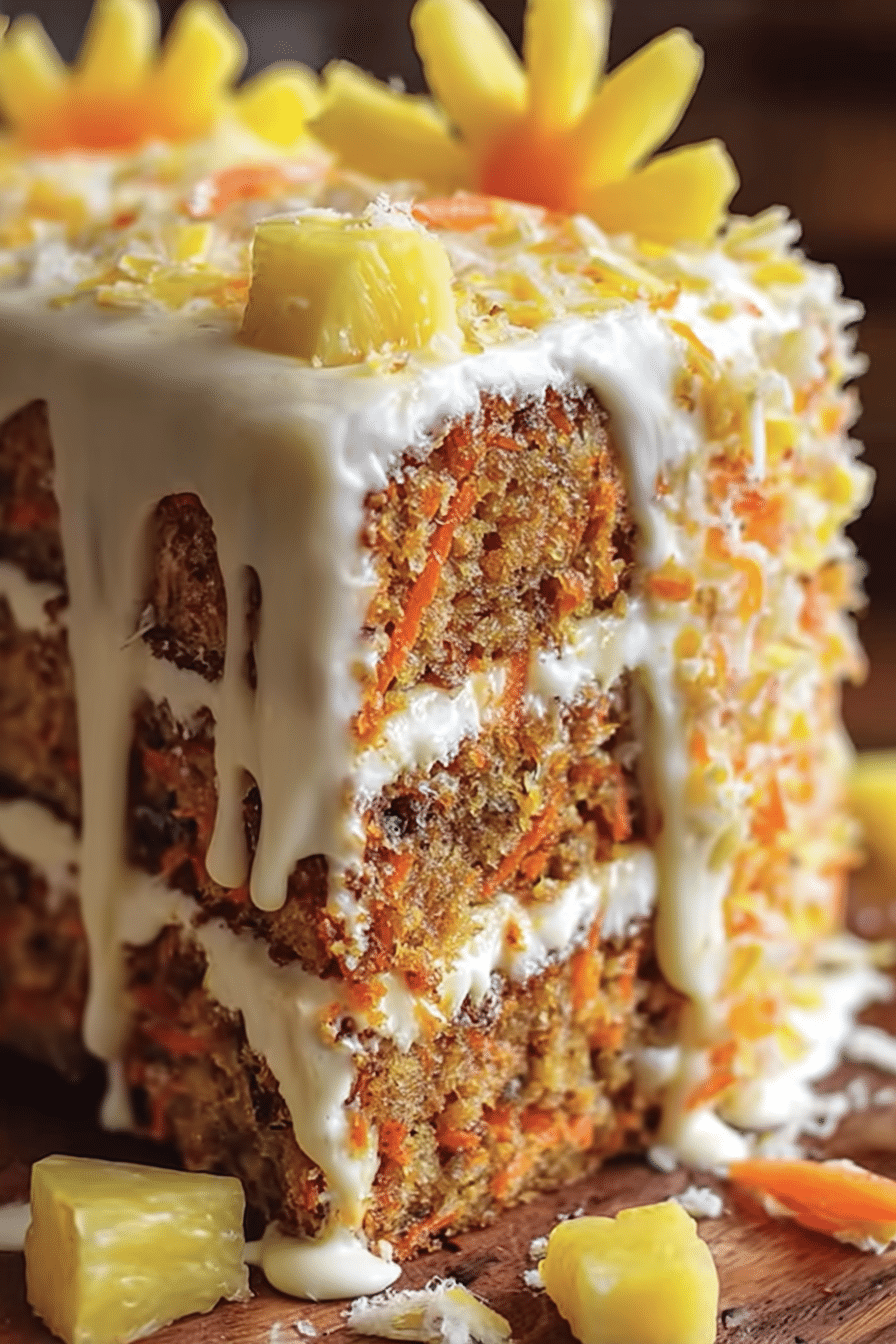
I love how the orange hue from fresh carrots and the tropical tang of pineapple make this cake a conversation starter on any dessert table. It travels well, slices cleanly when chilled, and the creamy frosting gives a luxurious mouthfeel that balances the fruity sweetness. I developed this recipe for hosting; it feels impressive without being fussy.
If you’re hosting a summer gathering, a baby shower, or a holiday where you want something different from the usual chocolate or vanilla, this cake should be on your shortlist. It’s versatile and welcoming—people of all ages gravitate toward the familiar carrot texture with an island twist.
Why this Hawaiian Carrot Pineapple Cake is perfect for parties
This cake’s tropical profile makes it an instant conversation starter: the aroma of cinnamon and pineapple fills the room and guests notice the bright color before they taste it. Its flavor profile is approachable—comforting carrot cake notes with lively pineapple—so it appeals to a wide audience, from kids to seasoned dessert lovers.
It’s also highly versatile. Serve it as a casual sheet cake at backyard barbecues or level it into layers for a more formal centerpiece at celebrations. The creamy frosting and fresh fruit garnishes make it look intentionally festive on a dessert table.
Sensory note: the first slice presents a soft, moist crumb and a lush frosting texture that guests describe as both familiar and pleasantly tropical—perfect for feeding a crowd and sparking community-style sharing.
Everything You Need for Hawaiian Carrot Pineapple Cake
Below I walk through the ingredient roles and practical substitutions so you can shop confidently. Remember: choose the freshest produce you can find—ripe pineapple and crisp carrots make a noticeable difference. Also read the gluten-free and vegan alternatives listed so you can accommodate guests.
- All-purpose flour – The structure builder; swap for a gluten-free flour blend if needed (see substitutions below).
- Baking powder & baking soda – Leavening agents that help the cake rise evenly.
- Ground cinnamon – Provides warm spice that pairs beautifully with pineapple.
- Salt – Enhances sweetness and balances flavors.
- Granulated sugar – Sweetness and tenderness; you can experiment with coconut sugar for a deeper note.
- Eggs – Bind and add lift; for vegan versions use flax eggs or commercial egg replacer.
- Vegetable oil – Keeps the cake moist and tender; oil is preferable to butter here for lasting moisture.
- Vanilla extract – Rounds out the flavors.
- Grated carrots – The cake’s backbone; use freshly grated carrots for texture and color.
- Crushed pineapple – Adds acidity, sweetness, and moisture; whether fresh or canned, drain well to avoid excess liquid.
- Chopped walnuts (optional) – For crunch and nutty flavor; substitute pecans or omit for nut-free gatherings.
- Cream cheese & butter – The classic frosting base; for dairy-free options use plant-based cream cheese and vegan butter.
- Powdered sugar – For frosting sweetness and structure; sift to avoid lumps.
- Garnishes – Pineapple chunks, shredded carrots, toasted coconut, or edible flowers to make a show-stopping finish.
- Essential tools – Mixing bowls, a box grater or food processor for grating carrots, measuring tools, a 9×13 baking pan (or two round pans for layers), a sturdy spatula, and a cooling rack.
- Gluten-free substitutes – Use a 1:1 gluten-free flour blend with xanthan gum or add a binder if your blend lacks it.
- Vegan substitutes – Use flax eggs, neutral oil, and dairy-free cream cheese and butter for frosting to keep the cake tropical and plant-based.
The Secret to a Moist Tropical Carrot Cake
Moisture is everything with this cake. I’ve learned a few consistent habits in my kitchen that keep the crumb soft and flavorful every time.
- Use crushed pineapple for moisture and tang: the fruit brings both flavor and juice that keep the crumb tender—just make sure you drain it well so the batter isn’t runny.
- Choose oil over butter in the batter: oil stays fluid at room temperature and preserves moisture better than melted butter, giving a lasting soft texture.
- Don’t overmix the batter: once you add the dry ingredients, mix just until combined—overworking develops gluten and creates a denser cake.
- Grate carrots finely: a finer grate integrates into the batter and distributes moisture evenly; larger shreds can create pockets of moisture or uneven texture.
- Respect cooling time: let the cake cool completely before frosting so the frosting doesn’t run—this keeps the presentation clean and the frosting texture ideal.
Sensory focus: you’re aiming for a plush, springy crumb that yields easily to a fork and a frosting that feels silky on the tongue without being too sweet.
How to Make Hawaiian Carrot Pineapple Cake (Step-by-Step)
Follow these steps for reliable results. I include timing and temperature so you can plan around other party prep.
- Preheat your oven to a moderate baking temperature and prepare your pan: grease and flour a 9×13 pan or line with parchment.
- Whisk dry ingredients together in one bowl so leavening is evenly distributed.
- In a separate large bowl, beat the sugar, eggs, oil, and vanilla until smooth and glossy.
- Fold the dry ingredients into the wet mixture gently—mix until just combined to avoid a tough crumb.
- Fold in the grated carrots, well-drained crushed pineapple, and nuts if using. Ensure the pineapple is drained so the batter holds structure.
- Pour the batter into the prepared pan and bake until a toothpick inserted near the center comes out clean; timing will vary slightly with pan type and oven.
- Transfer the cake to a cooling rack and let it cool completely before frosting. Cooling prevents a runny frosting and keeps your finish tidy.
- Prepare the frosting by beating softened cream cheese and butter until smooth, then add powdered sugar and vanilla until you reach the desired consistency; spread over the cooled cake.
Sensory focus: listen for the soft crackle when the cake first comes out of the oven, breathe in the warm aromatic mix of cinnamon and pineapple, and watch the cake’s surface settle into a tender top as it cools.
Frosting & Decoration Ideas for a Show-Stopping Finish
Beyond the classic cream cheese frosting, here are ideas that add tropical character and visual pop. I like switching decorations depending on the event—bright for daytime parties, elegant for evening celebrations.
- Classic cream-cheese butter frosting – Rich and tangy to balance the cake’s sweetness; pipe a border and smooth the top for a polished look.
- Coconut whipped cream – Chill full-fat coconut milk and whip the solidified cream for a lighter, dairy-free topping with a gentle coconut aroma.
- Mango glaze – Puree ripe mango with a bit of powdered sugar for a glossy, sunny glaze; it pairs beautifully with pineapple garnish.
- Passion fruit drizzle – Spoon passion fruit pulp over the frosted cake for a bright, tart contrast and speckled presentation.
- Decorative techniques – Use a piping bag with a star tip for rosettes, sprinkle toasted coconut for texture, or arrange pineapple chunks and carrot ribbons in a sunburst for a party centerpiece.
- Edible accents – Toasted macadamia nuts, candied ginger slices, or thin lime zest strips elevate the look and add layers of flavor.
Healthy Swaps and Dietary Variations (gluten-free & vegan options)
Making this cake accessible to guests with dietary needs is simple with a few swaps. Here’s how to keep texture and flavor intact while accommodating preferences.
- Gluten-free – Use a reliable 1:1 gluten-free flour blend that contains a binder like xanthan gum. You may need to reduce mixing slightly and check doneness earlier.
- Vegan – Replace eggs with flax eggs (mix ground flaxseed with water and let sit until thick) and use plant-based cream cheese and vegan butter for frosting. Neutral oil keeps the crumb moist.
- Dairy-free frosting – Use chilled coconut cream whipped with a touch of powdered sugar or a cultured vegan cream cheese for tang.
- Lower-sugar options – Replace part of the granulated sugar with coconut sugar or reduce sugar slightly; note that texture and browning may change.
- Nuts & Add-ins – For nut-free needs, omit nuts and add extra pineapple texture or toasted seeds for crunch.
Sensory focus: alternative ingredients will slightly shift texture—expect a denser crumb from certain gluten-free flours and a silkier frosting with coconut cream—plan accordingly for the outcome you prefer.
Pro Tip for hawaiian carrot pineapple cake: Prep, transport, and plate like a pro
- I always bake the cake the day before and refrigerate it un-frosted; this gives me time to make a tidy frosting and reduces crumbs when spreading.
- Chill the frosted cake before transport—this firms the frosting and prevents sliding. Place a non-slip mat under the cake box during travel.
- For clean slices at a party, chill the cake slightly and use a sharp knife warmed under hot water, wiping between cuts.
- Serve at a cool room temperature for brightest flavor: take the cake out of the fridge 20–30 minutes before serving so the frosting softens just enough.
- When plating, use contrasting garnishes—bright pineapple, toasted coconut, or lime zest—to make each slice pop on the plate.
How to Store, Slice, and Reheat This Cake
Storing correctly preserves moisture and flavor so your cake stays party-ready across several days.
- Store slices or the whole frosted cake in an airtight container in the refrigerator for up to five days.
- You can freeze individual slices wrapped tightly in plastic and foil for up to three months; thaw overnight in the refrigerator.
- To reheat a slice, bring it to room temperature or warm gently in the microwave in short bursts until just warmed—avoid overheating or the frosting will separate. For whole cakes, a low oven warm (around a low temperature for a few minutes) keeps texture intact better than direct microwave heat.
- For clean slicing, run a sharp knife under hot water and dry it between cuts; this prevents tearing and keeps slices neat for serving.
Easy Variations and Tropical Add‑Ins to Try Next Time
- Mango puree folded into a thin layer of frosting for extra fruit depth.
- Shredded coconut added to the batter or toasted on top for texture and aroma.
- Swap walnuts for macadamia nuts for a more island feel.
- Stir in small chunks of ripe papaya or ripe mango with the pineapple for a multi-fruit crumb.
- Add a splash of dark rum to the frosting or soak raisins in rum for a boozy, festive twist.
- Mix in a pinch of cardamom or ginger for a spicier, more complex profile.
Sensory focus: these add-ins change aroma and mouthfeel—coconut brings chew and toastiness, mango brings silkiness, and warm spices add depth.
Beverage Pairings for an Exquisite Dessert Experience
Pairing drinks thoughtfully makes the dessert portion of your event feel curated. Match sweetness, acidity, and temperature to balance the cake.
- Fresh tropical cocktails or mocktails (think pineapple-citrus blends) echo the cake’s fruit notes and brighten the palate.
- A lightly brewed black tea or an oolong pairs well with the cake’s warm spices and cuts through sweetness.
- Cold-brew coffee or a medium roast coffee complements the creaminess of the frosting and enhances the dessert’s overall richness.
- For an adult crowd, a sparkling wine or a light, fruity rosé brings effervescence that refreshes between bites.
Troubleshooting
- I’ve had a cake come out dry when I overbaked it—watch the bake time closely and test with a toothpick a few minutes before the suggested finish time.
- If the center sinks, I check for underbaking or oven temperature issues; avoid overfilling the pan and make sure the oven temperature is accurate.
- When frosting becomes too runny, I chill the cake and the frosting separately—cold frosting firms up and is easier to spread without sliding.
- If your cake is too dense, I reduce mixing time and consider sifting the dry ingredients to incorporate more air during mixing.
- For uneven browning, rotate the pan halfway through baking or use an oven thermometer to confirm even heat distribution.
Frequently Asked Questions
Can I make this Hawaiian Carrot Pineapple Cake in advance?
Absolutely! You can bake the cake a day ahead and store it in the refrigerator. Just make sure to frost it shortly before serving to keep the frosting fresh.
Is there a gluten-free option for this recipe?
Yes! You can substitute all-purpose flour with a gluten-free flour blend to make a gluten-free Hawaiian Carrot Pineapple Cake.
Can I use fresh pineapple instead of canned?
Definitely! You can use fresh crushed pineapple, but make sure to drain it well before adding it to the batter to avoid excess moisture.
What can I use instead of eggs for a vegan version?
You can use flax eggs, which are made by mixing 1 tablespoon of ground flaxseed with 2.5 tablespoons of water and letting it sit for a few minutes to thicken.
How long can I store leftovers, and how should I keep them?
Leftover cake can be stored in an airtight container in the refrigerator for up to 5 days. You can also freeze slices for up to 3 months!
Ingredients
- 2 cupsall-purpose flour
- 2 tspbaking powder
- 1 tspbaking soda
- 1 tspground cinnamon
- ½ tspsalt
- 1½ cupsgranulated sugar
- 3 largeeggs
- 1 cupvegetable oil
- 2 tspvanilla extract
- 2 cupsgrated carrots
- 1 cupcrushed pineapple, drained
- ½ cupchopped walnuts (optional)
- 8 ozcream cheese, softened
- ½ cupunsalted butter, softened
- 2 cupspowdered sugar
- 1 tspvanilla extract
Instructions
- 1
Preheat oven to 350°F (175°C). Grease and flour a 9×13 inch baking pan.
- 2
In a bowl, whisk together flour, baking powder, baking soda, cinnamon, and salt.
- 3
In a large bowl, beat sugar, eggs, oil, and vanilla until smooth.
- 4
Gradually add dry ingredients to wet ingredients and mix until just combined.
- 5
Fold in carrots, pineapple, and walnuts if using.
- 6
Pour batter into prepared pan and bake for 35–40 minutes, or until a toothpick comes out clean. Let cool completely.
- 7
For the frosting: beat cream cheese and butter until creamy. Add powdered sugar and vanilla, beating until smooth.
- 8
Spread frosting over cooled cake and garnish with pineapple and carrot shreds.
Recipe Card
The Hawaiian Carrot Pineapple Cake My Guests Always Ask For
Keep it handy for later, send it to someone cooking with you, or open the clean print view.
- Prep
- 20 min
- Total
- 60 min
- Serves
- 12
You might also like
The Mocktail My Guests Ask For — Lychee Italian Soda With Blue Tea
May 20, 2026
How I Perfected Delicate Lychee Rose Macarons with Real Lychees
May 20, 2026
The Coconut-and-lime Jelly Bowls My Guests Always Ask For
May 20, 2026
The Homemade Treat My Kids Beg For: DIY Honey Lemon Gummy Bears
May 20, 2026
Reviews
Be the first to review this.