

I make this slow cooker Korean beef on those days when I want something comforting and full of flavor but have almost no time to babysit dinner. I toss a few simple ingredients together in the morning, set the slow cooker, and come home to a kitchen filled with an irresistible sweet-and-spicy aroma. The meat is fall-apart tender, the sauce is glossy and ready to spoon over rice, and the whole thing feels like a weeknight win.
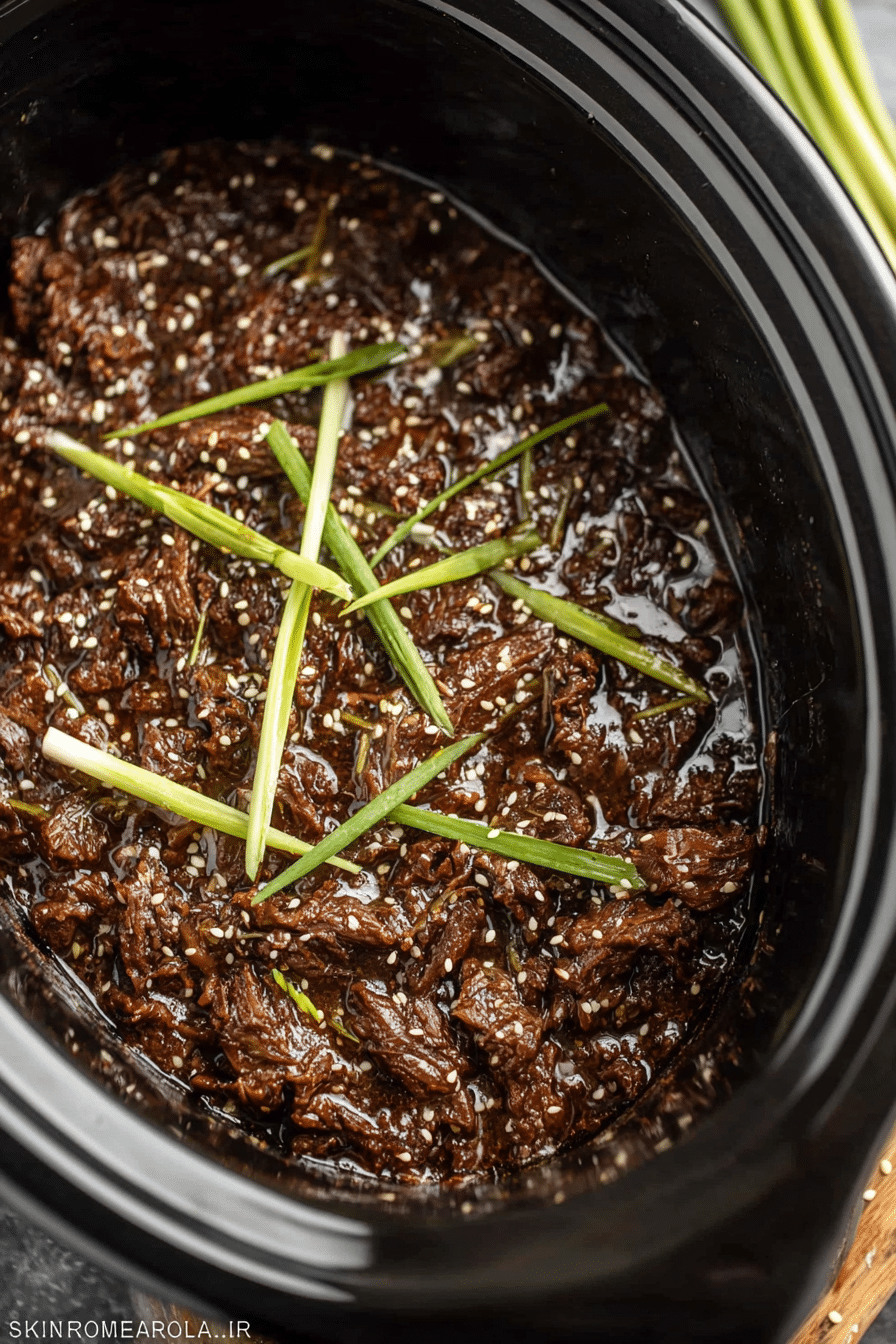
I love that the slow cooker does the heavy lifting: low heat breaks down the connective tissue and turns a budget-friendly cut into something restaurant-worthy. The sauce concentrates as it simmers, so that tiny bit of prep in the morning pays off in a big way come dinnertime. I often serve it over rice or steamed vegetables — it’s a complete meal that my family always asks for again.
Because I test this recipe in my kitchen, I can tell you which shortcuts work and which small tweaks make a big difference. Below I’ll walk you through the ingredients, the method I rely on, ways to make it gluten-free or low-carb, and smart storage tips for easy meal prep. If you like hands-off dinners that still taste like you fussed, this one will be on repeat.
Why This Slow Cooker Korean Beef Is Perfect for Busy Weeknights
This recipe is set-and-forget dinner at its best: minimal hands-on time, maximum flavor. You do a little prep once and the slow cooker builds rich, layered taste as the beef braises all day. The house fills with warm, savory-sweet aromas that make dinner feel like an occasion even on a Tuesday.
Because the slow cooker does most of the work, this dish is a great way to simplify busy weeknight dinners for families — even picky eaters tend to love the sweet-savory profile. If you enjoy weeknight recipes with a similar convenience factor, try these crock pot chicken fajitas that require minimal prep time.
Everything You Need for Slow Cooker Korean Beef
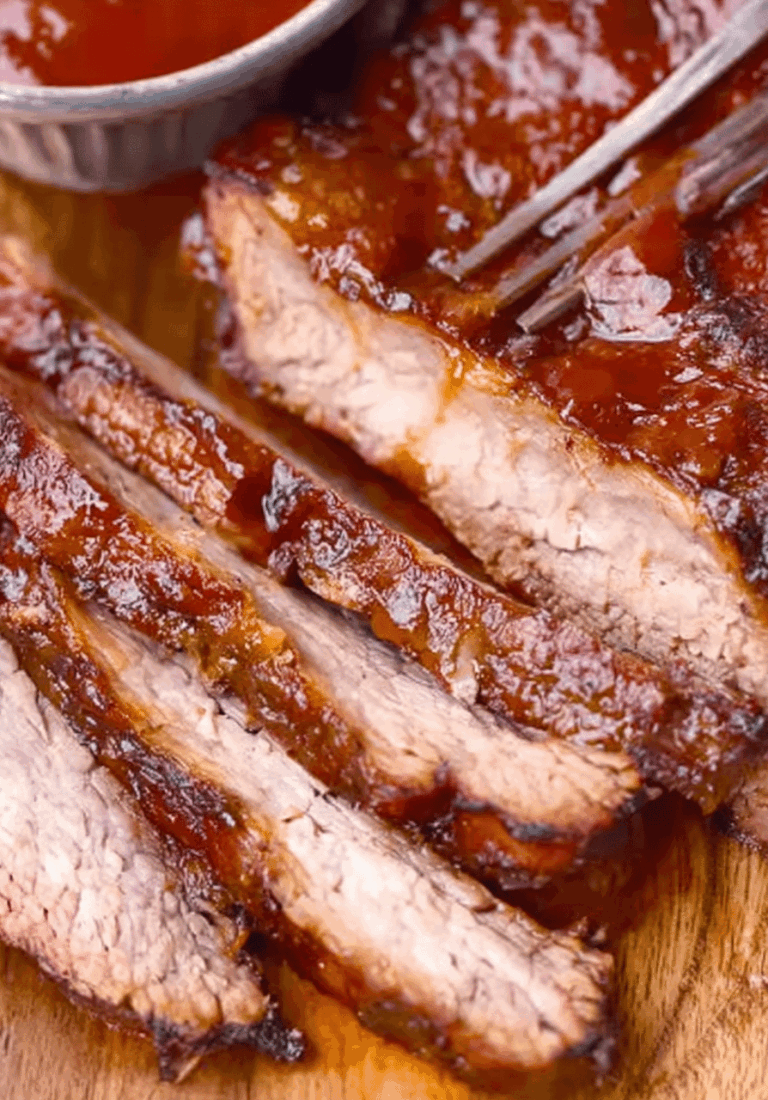
Below I walk through the core ingredients conversationally — what they do, what to watch for, and a few optional upgrades. I focus on quality where it matters: a good cut of beef and a properly balanced sauce transform this from ordinary to memorable. If you enjoy other slow-cooked beef dishes, you might also like our slow cooker beef brisket recipe for a heartier cut:
If you’re a fan of tender meat, you might also enjoy our slow cooker beef brisket recipe.
- Flank steak (or similar) – The right cut gives you great texture once shredded. Flank is lean but becomes wonderfully tender when cooked low and slow; chuck roast or sirloin are fine substitutes if you want a slightly fattier result.
- Soy sauce – Provides the salty, savory backbone. For lower-sodium or gluten-free options, read the swaps later in the Pro Tip section.
- Brown sugar – Adds caramelized sweetness to balance the soy. You can swap for a low-carb sweetener if you need to.
- Sesame oil – Toward the end this adds toasty aroma and depth; toasted sesame oil is what I reach for to get that classic finish.
- Cornstarch – Helps the sauce become glossy and cling to the meat. It’s a texture trick as much as a thickener; see the cornstarch section for details.
- Garlic and onion – They build savory depth and body; don’t skip them unless you’re out of options.
- Red pepper flakes – A little heat plays against the sweetness; add more if you like a punchier finish.
Beyond these basics, think about fresh green onions and toasted sesame seeds for garnish, and match the dish with bright or pickled sides to cut through the richness.
The Secret to Tender, Shreddable Beef
- Low-and-slow breaks down collagen: Cooking on low heat for several hours gives tough connective tissue time to dissolve into gelatin, which results in succulent, shreddable meat.
- Cornstarch helps texture—not by tenderizing the meat chemically, but by creating a silky, clingy sauce that makes each bite feel juicier. It thickens the braising liquid so it adheres to the strands of beef for a more satisfying mouthfeel.
- Using the low setting is gentler: I recommend the longer, slower window for the most consistent results; short, high-heat cooks can dry the leaner cuts if you’re not careful.
- Rest briefly before shredding: Pull the meat out, let it rest a few minutes, then shred against the grain for tender pieces that soak up the sauce.
How to Balance the Sweet and Spicy Sauce
Every component in the sauce plays a job: soy sauce gives salt and umami, brown sugar brings sweetness and browning, sesame oil adds nuttiness, and red pepper flakes contribute heat. Together they create a balanced profile that feels both comforting and lively.
If the sauce is too sweet for your taste, add a splash more soy sauce or a squeeze of acid (a little rice vinegar or lemon works) to brighten it. If it’s too salty, stir in a touch more sweetener or a small splash of water to dilute. For more heat, increase the red pepper flakes or add a spoonful of chili paste.
Taste and adjust as it cooks: because flavors concentrate during a long slow-cook, start slightly milder than you think and adjust after the final simmer. The aroma will change as sweetness caramelizes and spice blooms — you should notice the sweet and spicy melding into a harmonious scent as it finishes.
Why Cornstarch and Sesame Oil Matter
Cornstarch is your quick route to a clingy, glossy sauce. When mixed with a little liquid and added toward the end, it swells and thickens the braising juices so they coat the beef evenly. That glossy coating makes each forkful feel more luxurious.
Sesame oil is all about aroma. Toasted sesame oil in particular has an intense, nutty fragrance that you want at the end of cooking — a small drizzle just before serving brings the dish alive. Avoid cooking sesame oil over high heat for long periods; its flavor is best preserved when added at the finish.
How to Make Slow Cooker Korean Beef (Step-by-Step)
- Prep efficiently: Mix your sauce components in a bowl so everything is ready to go — this saves time in the morning and ensures even seasoning.
- Add to slow cooker: Place the beef in the crock pot and pour the sauce over it so the meat is well coated.
- Cook times: Cook on low for about 6–8 hours for the most tender result, or on high for 3–4 hours if you’re short on time.
- Check doneness: The beef should be easy to pull apart with forks when done. If it resists, give it another 30–60 minutes on low and check again.
- Remove and shred: Take the meat out, shred it against the grain with two forks, then return it to the pot so it soaks up the sauce.
- Thicken if needed: If the sauce is thin after shredding, stir a cornstarch slurry into the crock pot and cook on high for 10–15 minutes until glossy and slightly reduced.
- Finish and serve: Stir in a small drizzle of sesame oil for aroma, garnish with sliced green onions and sesame seeds, and serve over rice or veggies.
Pro Tip for Slow Cooker Korean Beef: Make It Low‑Carb or Gluten‑Free
- Gluten-free swap – Use coconut aminos as a soy-free, gluten-free alternative to soy sauce; it keeps the savory base but with a slightly sweeter profile.
- Low-carb sweeteners – Replace brown sugar with a granular erythritol or monk-fruit blend if you want to lower carbs while maintaining sweetness.
- Thickening alternatives – Instead of cornstarch, use a small pinch of xanthan gum or a glucomannan slurry for low-carb thickening; add sparingly to avoid gumminess.
How to Store, Reheat, and Meal-Prep Slow Cooker Korean Beef
Cool the beef to room temperature before storing to keep texture and flavor intact. For meal-prep, portion into single-serving containers so you can grab-and-go on busy days. If you’d like more make-ahead inspiration, check out our slow cooker beef stew which stores well for the week.
- Refrigeration – Store in an airtight container for 3–4 days.
- Freezing – Freeze in portioned containers for up to 3 months; thaw overnight in the fridge before reheating.
- Reheating – Reheat gently on the stovetop with a splash of water or broth to loosen the sauce, or microwave in short bursts, stirring between intervals to keep the meat moist.
- Meal-prep tips – Portion over rice or cauliflower rice and pack steamed greens on the side for balanced weekday lunches.
Side Dishes to Accompany Slow Cooker Korean Beef
Think contrast: bright, acidic, or crunchy sides cut through the richness and make the plate sing. Classic Korean sides like kimchi or quick pickled vegetables are ideal, but steamed or roasted vegetables and simple salads also work beautifully. For an indulgent twist, serve with buttery noodles or keep it light with lettuce wraps.
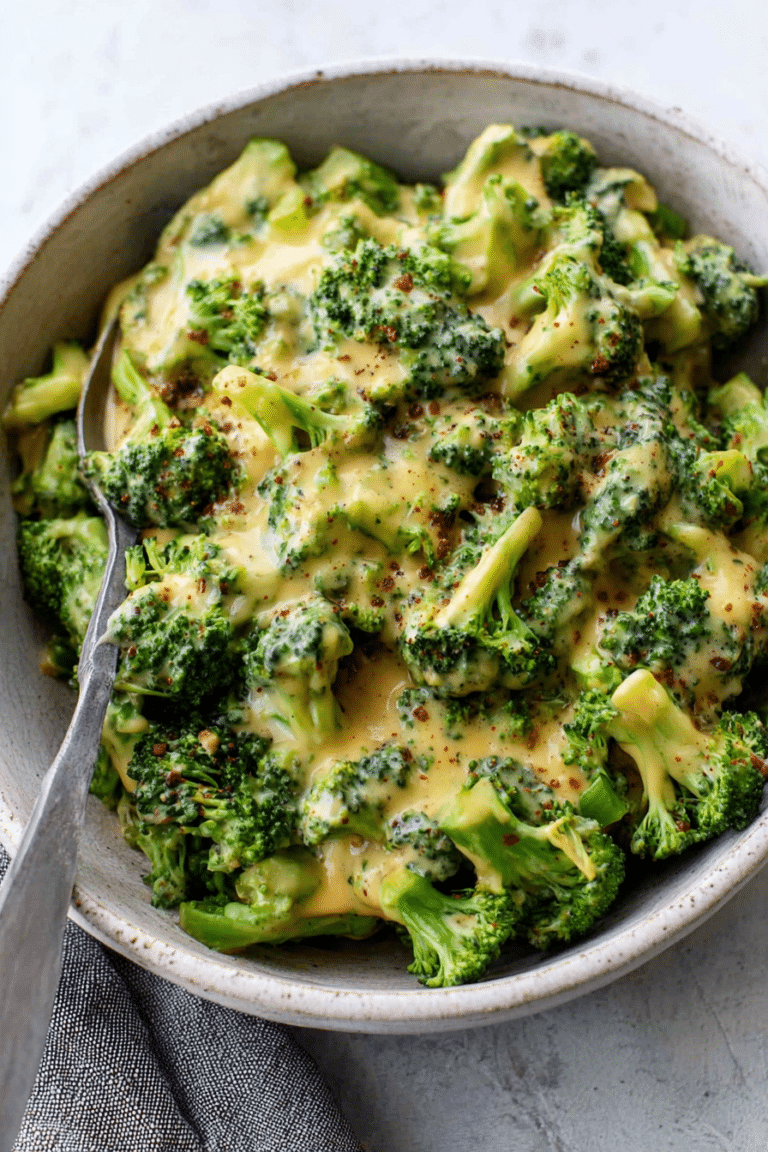
A delicious side to complement your main dish is garlic butter spaghetti.
- Kimchi or quick-pickled cucumbers for tang and crunch
- Steamed bok choy, broccoli, or snap peas for freshness
- Rice, cauliflower rice, or lettuce wraps depending on your preference
- Fresh cucumber salad or a simple green salad to brighten the plate
Pro Tips
- I like to sear the beef quickly before adding it to the slow cooker for extra depth — it’s optional but adds a lovely caramelized flavor.
- Start a touch milder on spice and sweetness since flavors concentrate as the dish cooks.
- Add sesame oil at the end, not at the start, to preserve its toasted aroma.
- If you’re short on time, cook on high but check earlier to avoid overcooking lean cuts.
Troubleshooting
- Meat is tough – I’ve found it usually needs more time; give it another hour or two on low so the collagen can break down.
- Sauce is too thin – Mix a little cornstarch with cold water and stir it in, then let it cook on high until it thickens.
- Sauce is too sweet – Add a splash of soy sauce or a little acid like rice vinegar to balance it out.
- Overly salty – Stir in a small amount of water or extra shredded beef to dilute the seasoning; next time use lower-sodium soy or coconut aminos.
Variations
- Add a spoonful of gochujang for a deeper, fermented chili flavor and a richer color.
- Mix in sautéed mushrooms or bell peppers for extra veg and texture.
- Swap flank for chuck roast for a fattier, more shreddable outcome that stands up to longer cooking.
- Turn leftovers into tacos or lettuce wraps and top with quick pickled carrots for a different presentation.
Frequently Asked Questions
Can I use a different cut of beef for this recipe?
Yes! While flank steak is recommended for its tenderness, you can also use cuts like chuck roast or sirloin. Just ensure to adjust the cooking time if needed.
How spicy is this Korean Beef dish?
The level of spice is quite mild, thanks to the red pepper flakes. If you prefer a spicier kick, feel free to increase the amount or add more chili paste to the sauce.
Can I make this recipe in advance and freeze it?
Absolutely! You can prepare the beef and sauce in advance, freeze it, and then cook it later in the slow cooker. Just be sure to thaw it overnight in the fridge before cooking.
What should I serve with Slow Cooker Korean Beef?
This Korean beef pairs wonderfully with rice, but you can also serve it with steamed veggies or in lettuce wraps for a lighter option.
How do I store leftovers?
Store any leftovers in an airtight container in the fridge for up to 3-4 days. To reheat, simply warm it in the microwave or on the stovetop until heated through.
Slow Cooker Korean Beef
Ingredients
Equipment
Method
- Place all the ingredients except for the steak into a mixing bowl and whisk until thoroughly combined. Place the meat in a crock pot, pour the sauce mixture over the steak. Cover and cook on low for 6-8 hours or on high for 3-4 hours.
- Remove meat and cut into pieces or shred.
- Return the meat to the crockpot.
- Serve over rice and enjoy!