

I bring this platter to every spring gathering because it reads like a centerpiece and it eats like a crowd-pleaser. In my kitchen I keep the hummus creamy and the vegetables bright — the contrast of silky dip against crisp carrot sticks and snappy peas always gets people talking. It’s effortless to prep, easy to carry, and it sits on the table like seasonal decor.
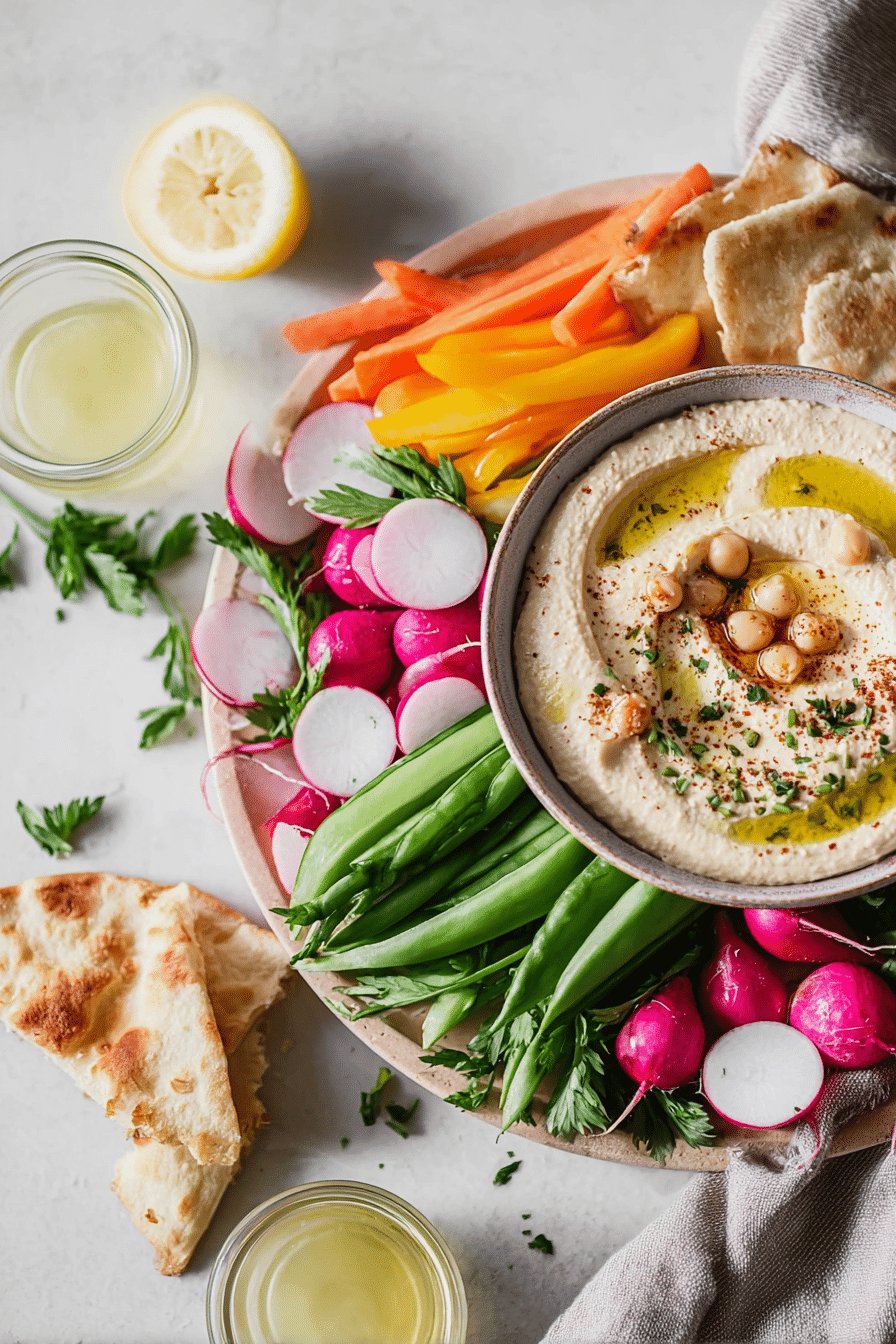
I love how the platter becomes an invitation — a bright bowl of hummus in the center, surrounded by color: rainbow carrots, sugar snap peas, peppery radishes, and toasted torn naan. Guests graze, pass stories, and the platter doubles as table décor. I’ve tweaked textures and toppings so the hummus stays spoonable and scenic, even after being transported to a park or porch.
In these next sections I’ll walk you through everything you need, the little texture tricks I swear by, and how to assemble the platter so it looks intentionally casual. You’ll leave with specific swaps for gluten-free and allergy-friendly guests and quick ideas for turning this into a DIY hummus bar that keeps people engaged.
Everything You Need for the Spring Hummus Platter
Think seasonal, crunchy, and aromatic. The goal is contrast: a bowl of spoonable hummus, a handful of warm bread or crackers, and a chorus of fresh vegetables that bring both color and crunch. Below I describe each core ingredient conversationally so you understand its role and easy substitutions.
- * Chickpeas – The base: creamy body and nutty flavor. If you need a milder option, white beans work beautifully.
- * White beans – Adds silkiness and brightens the hummus color. Swap for cannellini or butter beans when you want a softer mouthfeel.
- * Tahini – Adds depth and that signature toasted sesame backbone; reduce or swap with sunflower seed butter for a sesame-free version.
- * Olive oil – For silk and sheen; reserve some for drizzling over the finished hummus to make it glossy and inviting.
- * Aquafaba (legume liquid) – A small amount makes the hummus ultracreamy and airy; use a splash of extra oil or a spoon of aquafaba substitute if unavailable.
- * Lemon & garlic – Lemon brightens and garlic anchors the savory profile; adjust to taste so the freshness sings without overpowering.
- * Salt & cumin – Salt balances and cumin adds a warm undertone; consider smoked paprika for a smoky twist.
- * Naan or flatbread – Warm, torn pieces add chew and warmth; for gluten-free guests choose sturdy gluten-free crackers or toasted polenta slices.
- * Rainbow carrots, sugar snap peas, radishes – Fresh spring produce: crisp, sweet, and peppery elements that provide contrasting textures and a visual rainbow.
Seasonality matters: choose the freshest snap peas and the sweetest baby carrots you can find. The smell of lemon and fresh parsley on top will read as ‘spring’ before anyone takes a bite.
The Secret to the Perfect, Spoonable Hummus Texture
Make the hummus spoonable by treating texture as deliberately as flavor. I focus on three practical points: hydration, emulsion, and blending time.
- Hydration: Add a small amount of the legume cooking liquid (aquafaba) or a touch more oil as you blend to loosen the mix — you’re aiming for a thick sauce that still falls off a spoon.
- Emulsion: Start by blending tahini and lemon until glossy before adding the beans; that initial emulsion helps the final hummus stay silky rather than grainy.
- Blending time: Pulse first to break down the beans, then run the processor for a full minute or two; stop and scrape down the bowl so every bit gets evenly pureed.
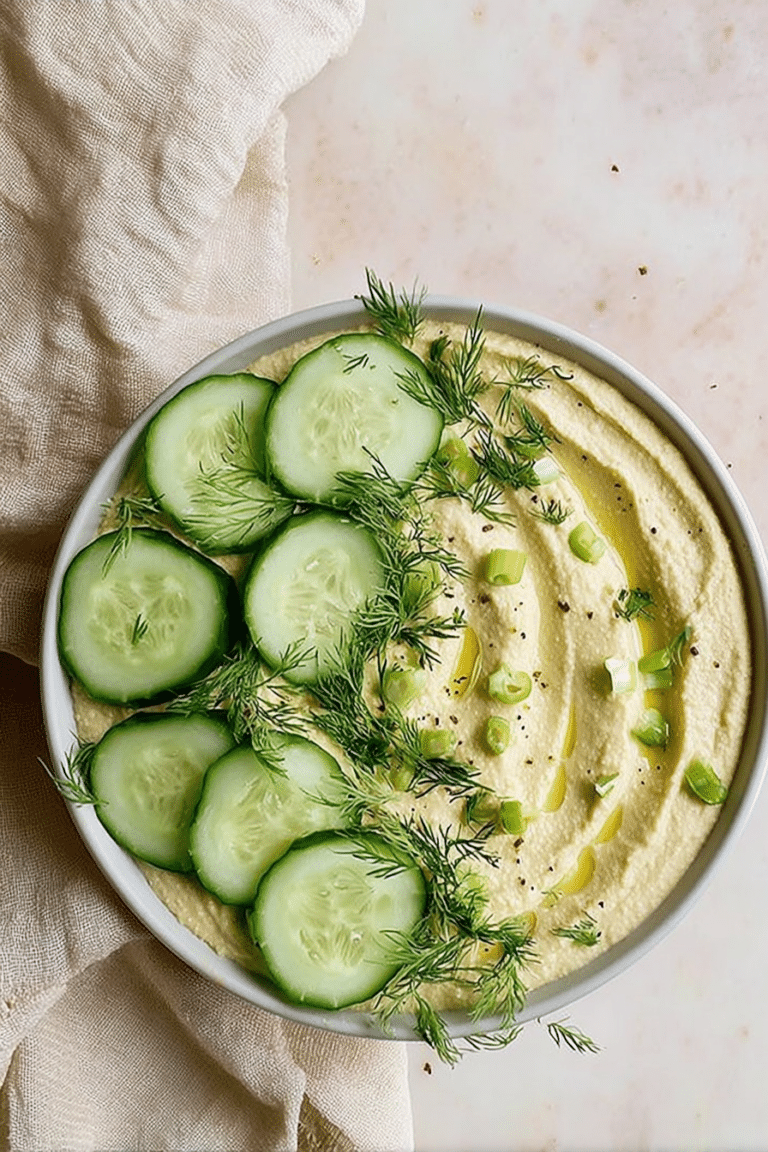
You should be able to spoon the hummus into the bowl creating a little well for olive oil. If it climbs up like a paste, add another splash of aquafaba or oil and blend briefly. The final texture should be soft enough for spreading, yet substantial enough to hold toppings.
Fresh Spring Pairings: Veggies, Naan, and Flavor Boosters
Pairings are how you turn a dip into an event. Use contrasts of crunch, chew, and brightness to keep each bite interesting.
- Unexpected vegetables: thinly sliced fennel, blanched asparagus tips, or shaved spring onions add new textures and floral notes.
- Herbs & spices: Za’atar, chopped parsley, and a dusting of sumac or smoked paprika bring aromatic complexity; a drizzle of good olive oil and a squeeze of lemon finish the platter with shine and brightness.
- Warm breads: If you make naan at home, tear it and brush with olive oil and flaky salt before toasting — that warm-chewy contrast is irresistible next to chilled veggies.
Imagine the aroma of warm bread, the citrus lift from lemon, and the earthy hit of za’atar — these elements make guests reach for another piece before they’ve finished the first.
How to Arrange a Platter That Doubles as Table Décor
Presentation should be intentional but relaxed. Treat the platter as you would a floral arrangement: a focal point, layered textures, and a rhythm of color.
- Create a focal bowl: Place the hummus bowl slightly off-center to create visual interest; leave space for garnishes that draw the eye (olive oil pool, parsley, za’atar).
- Layer height: Stack torn naan or fold flatbreads upright to add verticality, then nestle vegetables in alternating colors so the eye moves around the platter.
- Play with symmetry: For a casual look, arrange items asymmetrically with balanced color weight — a small cluster of radishes opposite a fan of carrot sticks feels composed without being rigid.
- Finish with freshness: Scatter chopped herbs, edible flowers, or lemon wedges to lift the whole display and add scent as guests approach.
Keep plates or small bowls nearby for guests who prefer less-handed grazing, and provide small tongs or picks so the platter stays neat while remaining approachable.
Pro-Tips
Below are practical, inclusive swaps and fast hacks—formatted as a bulleted list for quick reading and use during prep.
- I recommend gluten-free crackers, sturdy rice crackers, or roasted chickpea snacks as reliable bread alternatives for gluten-free guests.
- For those with chickpea allergies, try a white-bean or edamame-based dip; both give a creamy base and adapt well to the same seasonings.
- To keep everything vegan-friendly and extra-bright: add a lemon-zest finish and a scattering of chopped fresh herbs instead of dairy-based toppings.
- If you want more tang, fold in a spoonful of preserved lemon or roasted red pepper purée for a flavor pivot that still pairs well with spring veg.
Troubleshooting
I use this checklist when something in my batch needs rescuing—each item is a quick fix you can do without starting over.
- If your hummus is grainy, I find that extra blending time plus a splash of aquafaba smooths it out.
- If it’s too thin, I add a handful of drained beans and pulse until the texture firms up without losing silkiness.
- If the flavor feels flat, a tiny pinch more salt and a teaspoon of lemon juice brightens it immediately.
- If the platter looks sparse, add small clusters of herbs and a few extra radish slices for immediate visual impact.
Variations
Keep these variations ready so you can pivot the platter to different themes or dietary needs—listed as quick bullets for easy reference.
- Roasted garlic hummus: Roast a head of garlic until caramelized and fold into the blended hummus for a sweeter, deeper garlic flavor.
- Herbed green hummus: Blend in a generous handful of fresh parsley and mint for a vibrant green dip that pairs beautifully with spring produce.
- Spicy red pepper hummus: Add roasted red peppers and a touch of harissa for a smoky-spicy option that contrasts with cooling veggies.
How to Make the Spring Hummus Platter (Step-by-Step)
Follow these steps to make the hummus and assemble the platter. Pro-Tips, Troubleshooting, and Variations sections above are formatted as bulleted lists for scannability.
- Start by blending tahini and lemon until glossy — this primes the mixture for a smooth emulsion.
- Add the drained beans and pulse to break them down; then add garlic, a splash of aquafaba, and a portion of olive oil and process until smooth.
- Scrape down the bowl, check texture, and add more aquafaba or oil if you want a looser, spoonable consistency.
- Taste and season: adjust salt, lemon, or cumin as needed so the hummus sings but remains balanced.
- Transfer to a shallow bowl, use the back of a spoon to create a shallow well, and drizzle with olive oil, a squeeze of lemon, and a sprinkle of chopped parsley and za’atar.
- Arrange torn naan, carrot sticks, snap peas, and radish slices around the bowl using color and height to compose the platter.
- Bring to the table with small plates and napkins, and optionally set out small bowls of extra toppings for guests to personalize their bites.
DIY Hummus Bar Ideas to Engage Guests
Turn your platter into an interactive experience. Guests love customizing; it keeps people near the table and creates a playful vibe.
- Theme ideas: Mediterranean (olives, feta alternatives, cucumbers) or Middle Eastern (pickled turnips, sumac onions, preserved lemon).
- Topping stations: small bowls of za’atar, roasted pine nuts, chili oil, chopped herbs, and pickled vegetables invite customization.
- Labeling: set small cards so guests know which toppings are spicy or nut-containing — it’s inclusive and professional-feeling without fuss.
How to Store, Make-Ahead, and Reuse Leftover Hummus
Smart storage saves you time and prevents waste. I always make a double batch and use leftovers in creative ways.
- Storage: Keep hummus in an airtight container in the fridge; smooth the top and pour a thin layer of olive oil to help preserve freshness and color.
- Make-ahead: Hummus actually benefits from a few hours of rest in the fridge — flavors meld and texture firms for easier transport.
- Reuse ideas: Thin leftover hummus with a splash of water or aquafaba to make a creamy salad dressing, spread it on sandwiches, or swirl into soups for creaminess without dairy.
- Freezing: If you must freeze, portion into small containers. Thaw in the fridge and refresh with lemon and olive oil before serving.
Frequently Asked Questions
What ingredients do I need to make the Spring Hummus Platter?
You’ll need chickpeas, white beans, tahini, olive oil, aquafaba, lemon juice, garlic, salt, cumin, and fresh veggies like carrots, sugar snap peas, and radishes. Don’t forget the naan for dipping!
How can I make my hummus creamier?
To get a smooth, creamy texture, blend the ingredients thoroughly in a food processor. If it’s too thick, add a bit more olive oil or aquafaba until you reach your desired consistency.
What should I serve with my hummus platter?
Besides the naan, you can serve fresh veggies like cucumber slices, carrot sticks, and radishes. Pair it with crackers or chips for a crunchy addition!
Can I make the hummus ahead of time?
Absolutely! You can prepare the hummus ahead of time and store it in the fridge. Just make sure to keep it in an airtight container.
Are there any vegan or gluten-free options for this platter?
Yes! The hummus itself is vegan and gluten-free. You can use gluten-free crackers or veggies instead of naan for a gluten-free option.
Spring Hummus Platter
Ingredients
Method
- In a food processor, add the chickpeas, white beans, tahini, olive oil, aquafaba, lemon juice, garlic, salt, and cumin. Blend until smooth and creamy.
- If hummus is too thick, add an extra tablespoon of olive oil and aquafaba to thin out.
- Taste and adjust seasoning if needed, possibly adding an extra 1/4 teaspoon of salt.
- Transfer the hummus to a bowl and top with olive oil, lemon juice, and parsley. The batch makes enough for two servings.
- Serve the hummus with naan and vegetables.
- Enjoy!