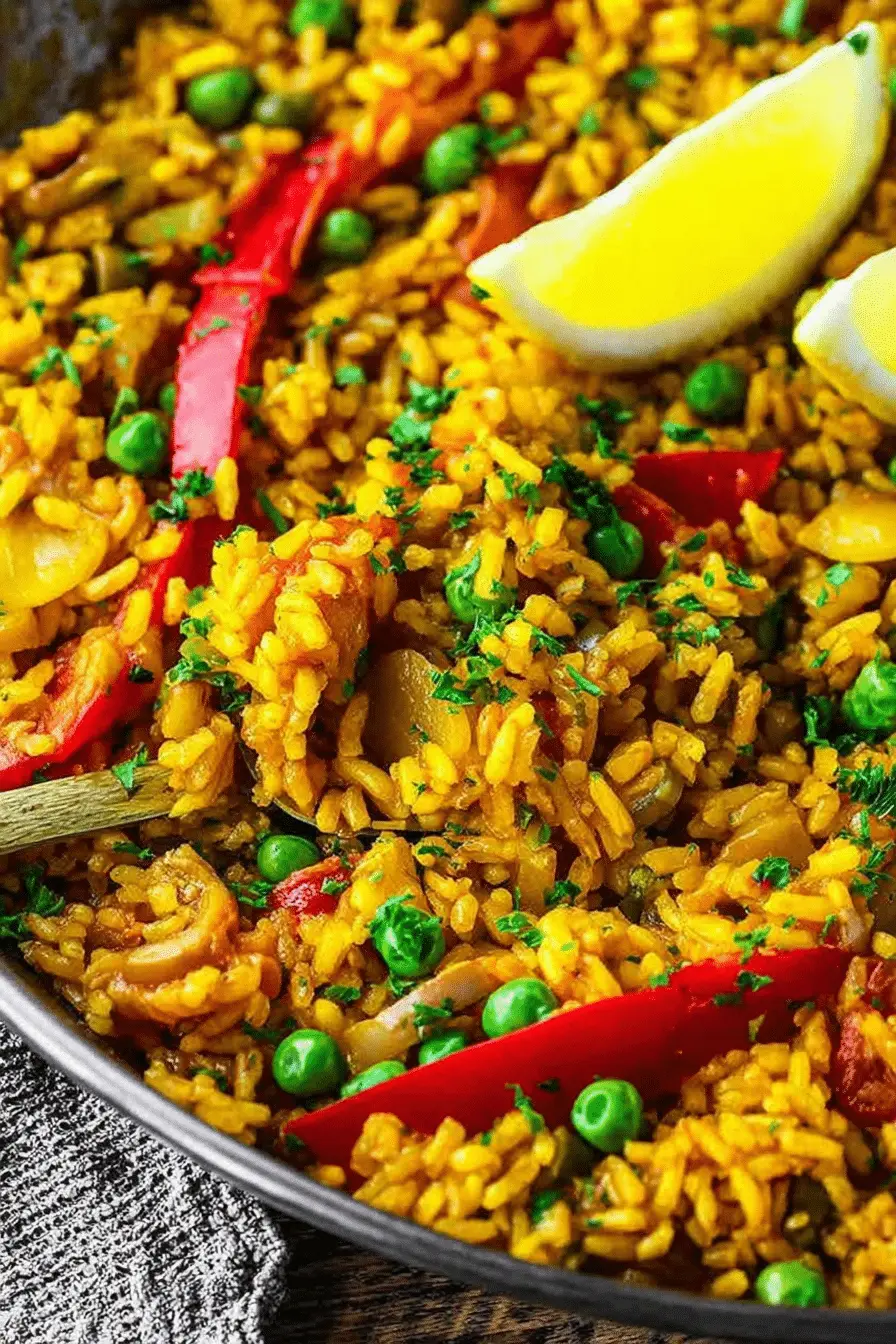
The Vegan Paella I Make Every Week — Golden, Smoky & Nourishing
- Prep
- 15 min
- Cook
- 30 min
- Total
- 45 min
- Serves
- 5
- Calories
- 366 kcal
- Protein
- 9.00 g
- Carbs
- 59.00 g
- Fat
- 10.00 g
Introduction
I make this vegan paella on busy weeknights when I want something that feels celebratory but doesn't demand hours in the kitchen. In my kitchen this dish delivers on color, aroma and balance: bright bell peppers and tomatoes for vitamins and phytonutrients, saffron and smoked paprika for fragrant depth, and rice for steady, comforting energy. It comes together quickly and still fills the table with that pause-before-you-eat kind of moment.
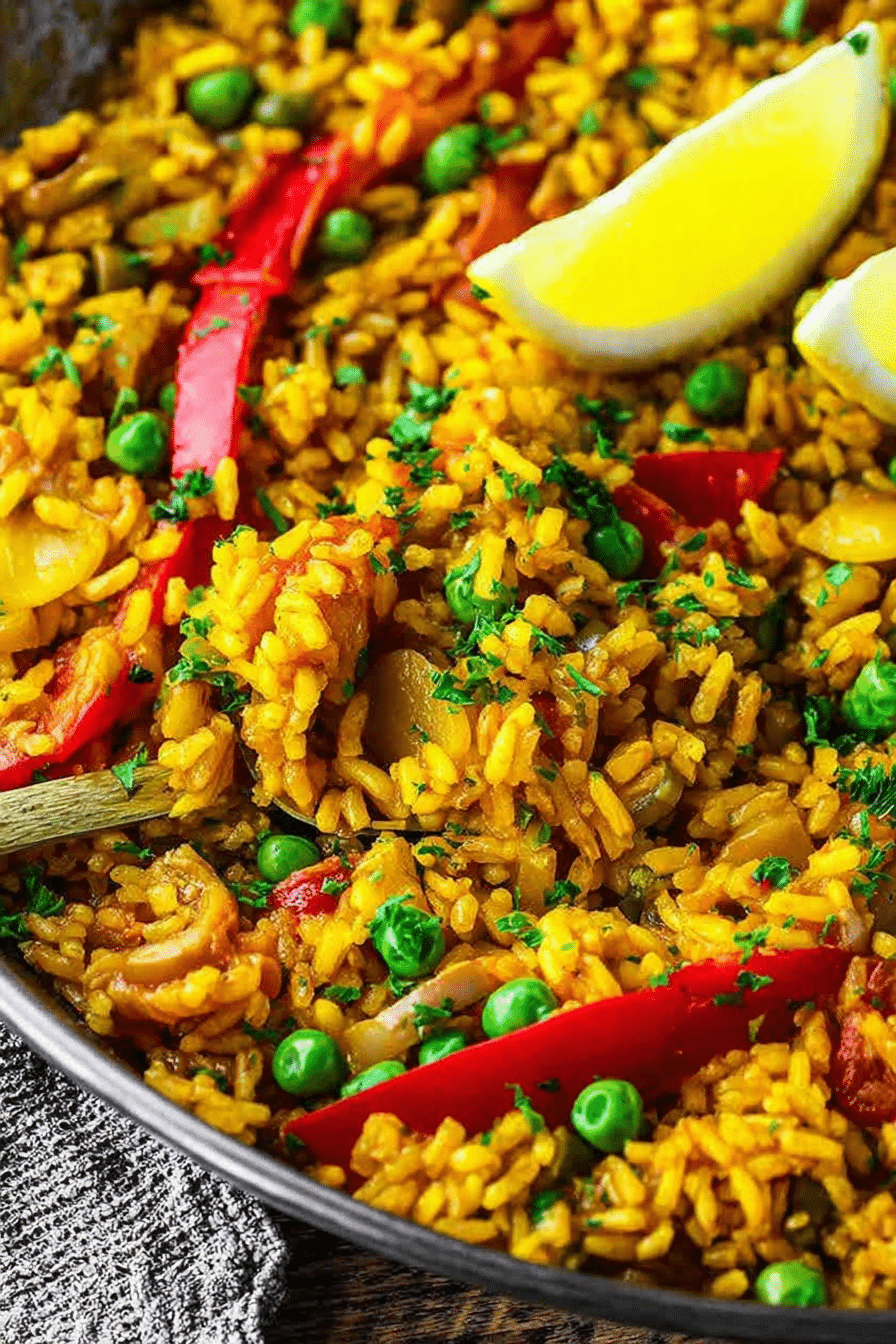
I love the sensory details: the saffron-scented broth warming on the stove, the onions and peppers softening and caramelizing, and the first breath of smoky paprika as I stir it through. Over the years I learned that small choices — warming the broth first, toasting the rice briefly, and leaving the rice undisturbed once the broth goes in — turn a pleasant pan of rice into the deeply flavored paella I look for.
Because I'm mindful of nutrition, I treat this as more than a tasty meal: it's a balanced plate. With a few smart swaps you can bulk up the protein, sneak in extra vegetables, or add vegan 'seafood' for coastal flavor without losing the dish's classic heart. I often make a double batch and use leftovers for easy lunches; the flavors actually relax and meld in the fridge, making the next-day paella even better.
Why This Vegan Paella Is Perfect for Health-Conscious Weeknights
This recipe balances whole grains, colorful vegetables, healthy fat from olive oil, and aromatic spices to deliver a meal that satisfies both hunger and nutrition goals. It cooks in roughly the time it takes for your side dishes to be ready, and cleanup is minimal — one pan, one memory of a good meal.
Key benefits to keep in mind:
- Vegetable-forward: peppers, onions and tomatoes add fiber, vitamins and antioxidants while keeping the plate vibrant.
- Simple starch base: short-grain rice provides sustained energy and pairs well with spices for a comforting texture.
- Flavor with restraint: smoked paprika and saffron add depth without relying on heavy fats or creams.
Sensory note: imagine the saffron-yellow rice and the bright red pepper strips against the green of parsley and peas — appealing to the eye and nourishing for the body.
Everything You Need for Spanish Vegan Paella
Below I talk through the ingredients in conversational terms so you understand the purpose of each one and what to reach for when you grocery-shop. I avoid measurements here so you can focus on why each ingredient matters and how to swap if needed.
- Short-grain rice (Bomba or arborio) – The foundation: these rices absorb liquid well and give the toothy texture paella needs; Bomba is traditional for its ability to take up more stock without going mushy.
- Vegetable broth – Adds savory depth; use low-sodium so you control the salt level and let the saffron shine.
- Saffron threads – Floral and golden, saffron is the signature aroma and color; blooming it in warm broth intensifies its perfume.
- Onion and garlic – The aromatic base that creates body and sweetness when gently sautéed.
- Red bell pepper and tomatoes – Provide sweetness, acidity and color; caramelized pepper strips are a classic paella visual.
- Smoked paprika – Adds the smoky backbone that gives the ‘Spanish’ flavor even without meat.
- Fresh herbs (thyme, parsley) – Bright, finishing notes that lift the dish at the end.
- Frozen peas – A sweet green pop for color and texture.
- Olive oil – For sautéing and mouthfeel; a little goes a long way to carry flavors.
- Vegan seafood alternatives (hearts of palm, king oyster mushrooms, marinated tofu or store-bought vegan seafood) – These give briny, meaty or chewy textures when you want a coastal note; they can be seared and added near the end to keep texture intact.
For more wholesome plant-based ideas to serve alongside paella, try this link to Easy Falafel Salad Bowls for a complementary, protein-rich side:
If you're looking for more wholesome vegan options, check out our Easy Falafel Salad Bowls, packed with nutritious ingredients.
The Secret to the Perfect Socarrat (Golden Crust)
The socarrat — that thin, toasted crust on the bottom of the pan — is the most treasured part of a proper paella. It forms when the rice at the bottom crisps gently as the remaining liquid evaporates. Getting it right is about attention and timing rather than force.
- Bring the broth up to a lively simmer after adding it, then immediately lower the heat to a steady, mild simmer. The socarrat forms as the liquid finishes cooking off.
- Do not stir the rice after the broth goes in. Stirring releases starch and creates creamy rice instead of a crust.
- Listen as the cooking time winds down: you should hear a faint snapping or crackling and smell a warm, nutty aroma — those clues mean the crust is forming.
- When you suspect the crust is forming, test by pressing a spoon or fork gently to the bottom in a small area; it should feel firm and slightly toasted, not burnt. If it smells acrid, remove from heat immediately.
- If you want a more even socarrat, rotate the pan once or twice during cooking so the heat distributes evenly under the pan.
Why Temperature and Timing Matter for Texture
Rice texture is a balance between liquid, heat and patience. Too aggressive a boil makes the rice split and become sticky; too low a heat leaves it hard. Follow these practical cues:
- Bring the broth to a strong simmer, then lower to a gentle simmer for the majority of the cooking time so the grains cook through without splitting.
- Avoid vigorous boiling — that churns the rice and prevents crust formation while making the final texture gluey.
- Rotate the pan on the burner during cooking to correct for hot spots and ensure even evaporation and socarrat development.
- Timing: watch for the broth to reduce until only a thin film remains and the grains are tender but still hold their shape — that’s when you remove the pan and rest it to finish steaming through.
How to Boost Protein in Vegan Paella (Options & Portions)
If you want this paella to be a higher-protein weeknight meal, add one or two concentrated plant proteins. Think in terms of adding a palm-sized portion of a protein per person to keep the plate balanced.
- Chickpeas – Gentle, slightly sweet, and hearty; add them partway through so they warm through without becoming mealy.
- Firm tofu – Press and sear for texture; fold in near the end so it keeps its golden crust.
- Tempeh or seitan – Great for a chewy, savory bite; marinate or pan-fry first for deeper flavor.
- Edamame – Adds vibrant color and a clean protein boost.
- Vegan 'seafood' options – King oyster mushroom “scallops,” hearts of palm, or prepared vegan shrimp can introduce coastal texture; sear or roast and place on top just before serving.
For focused tips on increasing protein across plant-based meals, you might find this guide useful:
Learn some effective methods to enhance the protein content of your meals with our guide on How to Boost Protein in Vegan Paella.
How to Make Spanish Vegan Paella (Step-by-Step)
Below are the steps I follow in my kitchen, with the reasoning behind each move and troubleshooting notes so you can avoid common pitfalls.
- Warm the vegetable broth and break the saffron into it so the threads release color and aroma; keep the broth warm while you work — cold stock slows cooking.
- Heat oil in a wide, shallow pan over medium heat and sweat the diced onions and pepper strips until softened and starting to caramelize; this creates the base flavor.
- Add garlic and cook briefly until fragrant; add tomatoes and both paprikas and cook until the tomato juices begin to reduce — this builds the sofrito that flavors the rice.
- Add the rice and a little oil, stirring to coat and lightly toast the grains for a minute; this helps each grain maintain structure as it absorbs liquid.
- Place whole herbs on top and pour in the warm saffron-infused broth evenly; season with salt and pepper. Once the broth is in, resist stirring — let the rice settle and absorb.
- Bring to a strong simmer briefly, then reduce to a gentle, steady simmer. You should see movement but no rolling boil; rotate the pan once or twice during cooking to even out heat.
- Cook until the rice is al dente and most of the liquid has evaporated; watch and listen for the socarrat signals in the final minutes. If the pan smells like it's burning, remove from heat immediately.
- Remove from heat when done, scatter thawed peas and any seared vegan protein on top (do not stir), cover with foil and let rest for several minutes so the rice finishes steaming and the flavors knit together.
- Finish with chopped parsley and lemon wedges for brightness and serve straight from the pan.
For texture contrast, I sometimes add a sprinkle of crunchy roasted chickpeas right before serving — they make a lovely garnish and add protein. If you want a recipe for those, try this crunchy accompaniment:
Add some crunch to your dish with Crispy Roasted Chickpeas for an extra layer of texture in your Vegan Paella.
Troubleshooting
- If the rice is undercooked but liquid is gone, add a small splash of hot broth and recover the pan for a few minutes.
- If the rice is too soft or mushy, you likely stirred after adding the broth or used too much liquid; next time reduce stirring and use a lower liquid ratio.
- If the socarrat smells burnt, remove the pan immediately and let it rest; salvage the top layers and adjust heat more conservatively in future attempts.
Variations
- Make it coastal: pan-sear king oyster mushrooms or hearts of palm to mimic seafood texture and add at the end.
- Make it smoky-spicy: add a touch of smoked hot paprika or a mild chili for warmth.
- Make it grain-free: try short-cooking pearl barley using similar technique but extend steaming time and monitor liquid closely.
Pro Tip for Vegan Paella: Meal-Prep, Protein Swaps & Vegan 'Seafood' Options
- Meal-prep the sofrito (onion, pepper, tomato, garlic) in advance and refrigerate — it shortens active cooking time dramatically.
- Press and marinate tofu ahead of time; sear it just before serving so it stays crisp.
- For vegan seafood, look for king oyster mushrooms (slice and sear), hearts of palm, or reliable store-bought vegan shrimp; quick pan-searing keeps them snappy.
- Store saffron in a cool, dry place and bloom it in warm stock for maximum color and aroma.
- If you want to prep the rice ahead, undercook it slightly then finish in the pan with fresh stock when serving to refresh texture.
How to Store, Reheat, and Make-Ahead Spanish Vegan Paella
Keeping flavor and texture requires gentle handling when storing and reheating. Follow these practical steps for best results:
- Refrigerate leftovers in an airtight container for up to three days; the flavors will mellow and deepen.
- To reheat, warm the paella gently in a skillet over medium-low heat with a splash of vegetable broth to restore moisture; cover briefly to trap steam.
- Freeze components separately if you plan long-term storage: cooked rice and broth together can become watery — consider freezing just the cooked vegetables or proteins and assembling when ready.
- Make-ahead tip: cook through to the point before socarrat formation, cool quickly, and finish the socarrat when you reheat to enjoy that fresh-crisp texture.
For other make-ahead, freezer-friendly meal ideas, you might like this quick, hearty option:
If you're keen on meal-prepping, our Quick No Bean Chili is a fantastic dish you can make ahead, similar to Vegan Paella.
Frequently Asked Questions
What are the essential ingredients in vegan paella?
The essential ingredients include Bomba or arborio rice, vegetable broth, saffron, olive oil, various vegetables like onions, tomatoes, and bell peppers, along with seasonings like smoked paprika and fresh herbs.
Can I use other types of rice for this recipe?
While Bomba rice is traditional, you can substitute it with arborio rice, which works well too. Just keep in mind that the texture may vary slightly.
How can I achieve the perfect socarrat (crispy bottom)?
To achieve the socarrat, do not stir the rice once you add the broth, and monitor it closely as it cooks down. Listen for a snapping sound that indicates the rice is crisping, and remove it from heat when it's golden.
How can I store leftovers of vegan paella?
You can store leftovers in an airtight container in the fridge for up to 3 days. To reheat, warm it in a skillet with a splash of vegetable broth to prevent it from drying out.
What can I add to boost the protein content of the dish?
To boost protein in your vegan paella, you can add chickpeas, tofu, or even vegan seafood substitutes such as jackfruit or mushrooms for extra texture and flavor.
Recipe Card
The Vegan Paella I Make Every Week — Golden, Smoky & Nourishing
- Prep
- 15 min
- Cook
- 30 min
- Total
- 45 min
- Serves
- 5
- Calories
- 366 kcal
- Protein
- 9.00 g
- Carbs
- 59.00 g
- Fat
- 10.00 g
Ingredients
- 3 tablespoonsolive oil (divided)
- 4 cupsvegetable broth (low sodium)
- 1 teaspoonsaffron threads
- 1 mediumonion (diced)
- 5 clovesgarlic (chopped, minced or crushed)
- 1 largetomato (diced (sub 1/2 cup canned))
- 1.5 cupsBomba Rice ((sub arborio rice))
- 1 teaspoonsmoked paprika
- 0.5 teaspoonsweet paprika
- 1 teaspoonsea salt (more to taste)
- —Fresh cracked pepper (to taste)
- 2 sprigsfresh thyme ((sub 1 teaspoon dried))
- 3/4 cupfrozen peas (thawed)
- —Lemon wedges
- —Fresh-cut parsley
Instructions
- 1
Add vegetable broth in a medium saucepan over medium-high heat. Break up the saffron and add it to the broth. When it begins to simmer, give it 1 minute, and then lower the heat just to keep it warm.
- 2
Heat 2 tablespoons of oil in a 12-inch Paella Pan over medium heat. Add the onions and peppers. Sauté until softened and lightly browned, about 3-5 minutes.
- 3
Add the garlic and sauté for 1 minute.
- 4
Now add the tomatoes, smoked paprika, and sweet paprika. Sauté for 1-2 minutes.
- 5
Add the rice and remaining 1 tablespoon of oil to the pan. Stir to coat well. Cook for 1 minute to lightly toast the rice.
- 6
Add the fresh thyme and slowly pour in broth. Add salt and pepper. Do not stir after this point.
- 7
Turn the heat down to a mild simmer. Simmer for 15-20 minutes until rice is al dente.
- 8
Pay attention to the socarrat forming on the bottom of the pan.
- 9
Remove the pan from the heat. Add the peas on top of the rice. Cover and let the paella rest for 5-8 minutes.
- 10
Top with fresh-cut parsley, cracked pepper and serve with lemon wedges.
You might also like
Reviews
Be the first to review this.