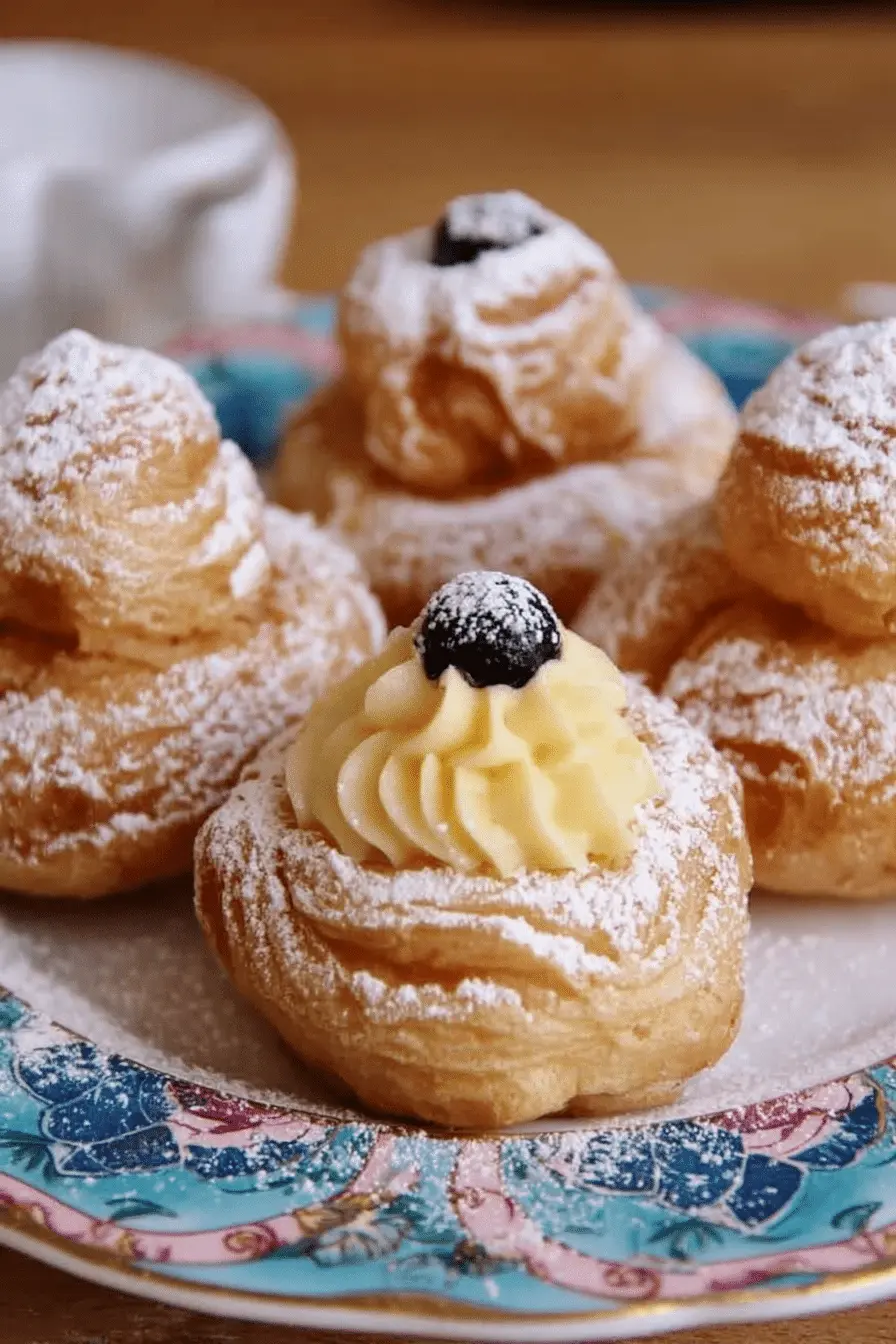
Delicious Zeppole di San Giuseppe: Celebrate St. Joseph's Day with These Sweet Pastries
- Prep
- 30 min
- Cook
- 30 min
- Total
- 70 min
- Serves
- 16
- Calories
- 116 kcal
- Carbs
- 11.00 g
Introduction
There’s something about the first warm pan of oil in March that pulls me back to my Nonna’s tiny kitchen: the scent of frying dough, the bright tartness of cherries, and the soft, custardy center that spills out when you bite in. Zeppole di San Giuseppe are the pastries we made every St. Joseph’s Day — not fancy, but full of ritual. I’ve been making these for years; the recipe below is the version I return to when I want something that feels like a family celebration in a single bite.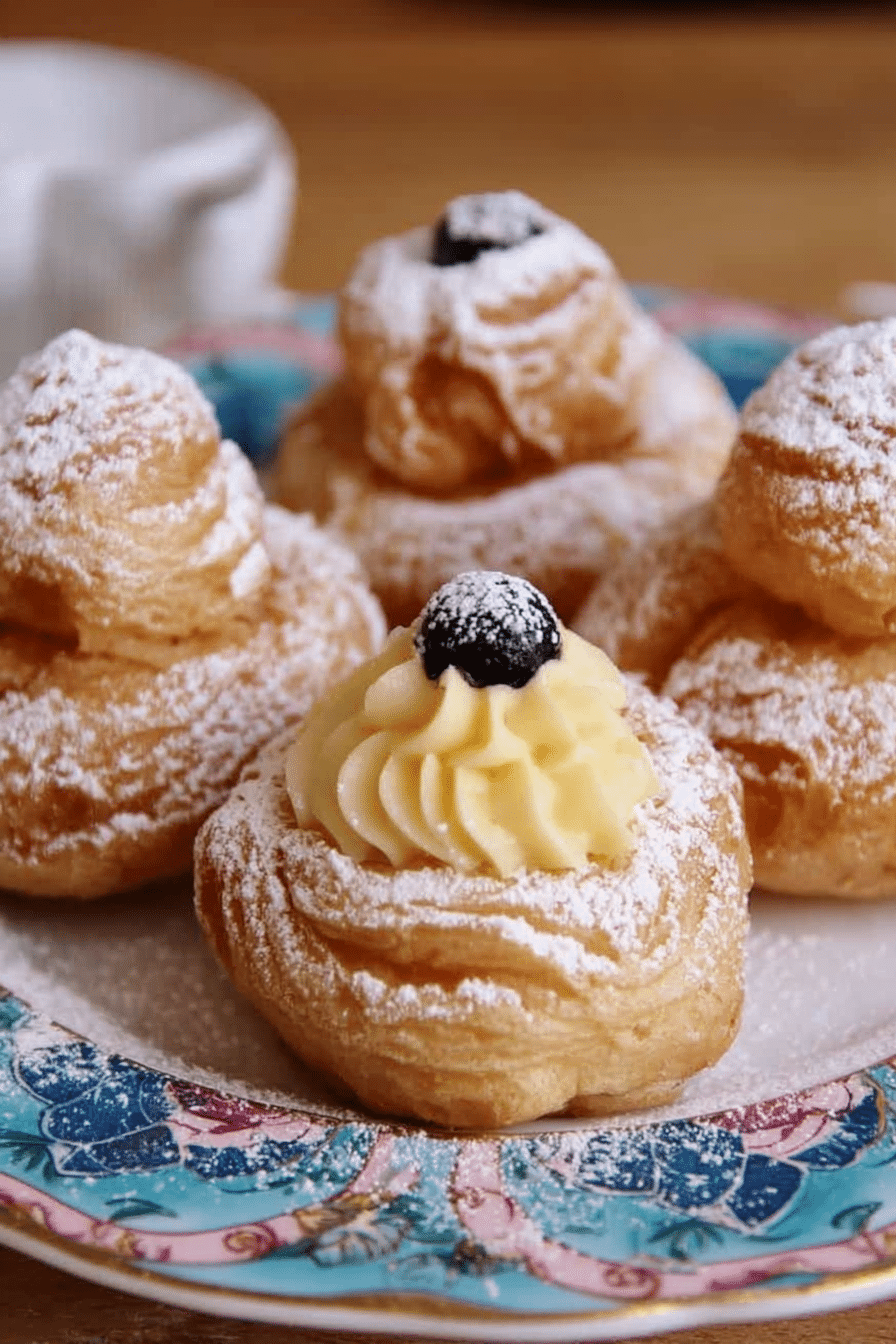
Ingredients Needed for Authentic Zeppole
- Unsalted butter – adds fat and flavor to the dough; use unsalted so you control the seasoning.
- Sugar – a touch in the choux to balance the egginess and another dusting at the end for sweetness.
- Water – the classic liquid for choux that steams to puff the pastry.
- All-purpose flour – gives structure; it’s what helps the choux hold its shape when fried or baked.
- Eggs – the leavening and binding — they make the dough glossy and help it puff.
- Pastry cream (crema pasticcera) – the rich, silky filling that contrasts the crisp exterior.
- Powdered sugar – for dusting; it finishes the pastries and gives that classic look.
- Cherries – traditionally a red cherry on top; maraschino or a candied cherry works for the look and tart pop.
- Oil for frying – neutral oil with a high smoke point so the zeppole brown evenly without burning.
- Gluten-free flour blend (optional) – a substitution for those who need it; pick a blend that behaves like all-purpose for best texture.
Step-by-Step Instructions for the Perfect Choux Pastry
Below I share the tested recipe I use every year. The measurements and times are the ones I wrote down after several successful batches — they’re what give consistent results. Read through first so you understand the timing: choux is quick once the dough is made, and pastry cream needs chilling before you fill the zeppole. Recipe (makes about 16 zeppole)- 4 oz unsalted butter
- 1 tsp sugar
- 8 oz water
- 1 cup flour
- 4 eggs at room temperature
- 1 recipe crema pasticcera (see next section)
- ¼ cup powdered sugar for sprinkling
- 16 Fabbri cherries, optional (use organic maraschino or omit)
- Make the choux base: Combine the butter, sugar, and water in a medium saucepan over medium heat until the mixture comes to a rolling boil. I watch closely here — the moment the liquid looks like it’s about to climb the sides is when you add the flour. If you wait too long the mix can separate or the butter will brown, changing the flavor.
- Add the flour all at once: Dump it in and stir vigorously with a wooden spoon. At first it looks gummy and wet, then in about 45–60 seconds it will pull away from the pan and form a smooth ball that glazes the spoon. This is the tell: it should feel dry-ish and matte, not sticky.
- Cool and incorporate eggs: Remove the pan from heat and stir for 30 seconds to let steam dissipate. If you add eggs while it’s too hot they’ll cook and scramble. Add one egg at a time, beating thoroughly until each egg is fully incorporated and the dough becomes satiny. If the batter looks too loose after the last egg, stop — you want a pipeable but fairly thick batter that holds its shape.
- Pipe or spoon: Transfer the batter to a large piping bag fitted with a round tip, or use two spoons. Pipe mounds about 3 inches apart; if you like the classic look, pipe a ring with a slight center indentation so the pastry cream has a little nest. If you need to make them uniform, weigh small portions — I usually use a tablespoon scoop and then pipe a swirl on top.
- Bake (or fry) and cool: For the baked method: bake for approximately 30 minutes in a preheated oven (I use 375°F/190°C) until golden and puffed. Turn the oven off and leave them inside for 10 minutes to let them set slowly; sudden cooling can make them collapse. Then transfer to a cooling rack. If frying: heat oil to 350°F/175°C and fry until deep golden, turning to cook evenly. (See the frying tips below.)
- Make a filling hole: Once cool, use a skewer to make a hole in the side and prepare to fill with pastry cream. Pipe cream inside and top the indentation with a little extra, dust with powdered sugar, and finish with a cherry.
How to Make Delicious Pastry Cream Filling
The pastry cream is the heart of these zeppole. I make a classic crema pasticcera because its richness and vanilla perfume contrast the fried dough beautifully. The key here is patience and tempering the eggs so they don’t scramble. For those who enjoy rich flavors, try incorporating some sweet almond pastry into your dessert repertoire. Basic method (tested) — whisk together egg yolks and sugar until pale, then add a bit of cornstarch or flour (this stabilizes the cream). Warm whole milk with a vanilla pod or vanilla extract until just simmering; temper by whisking a small amount of hot milk into the yolks, then return the mixture to the pan. Cook gently, whisking constantly, until it thickens into a glossy, pudding-like texture. Remove from heat and stir in a knob of butter for silkiness. Sensory cues: it should coat the back of a spoon and leave a clean line when you run your finger through it. If it tastes flat, a splash of heavy cream or a pinch of salt brightens the flavor. If it’s too loose after chilling, a quick whisk over low heat with a teaspoon of cornstarch diluted in cold milk will thicken it without breaking the texture. Common mistake: overheating. If the cream curdles or seems grainy, immediately strain it through a fine-mesh sieve and whisk in a little warm milk off the heat to bring it back together. Chill it in contact with plastic wrap to prevent a skin from forming.Tips for Frying and Serving Your Zeppole
Frying is where zeppole turn from good to memorable, but it’s also where mistakes happen. Keep the oil at an even temperature — usually around 350°F (175°C). If it’s cooler the pastries will soak oil and become greasy; if it’s hotter they’ll brown too quickly and stay doughy inside. Use a kitchen thermometer and adjust the heat to maintain the steady temperature. Don’t overcrowd the pan; fry in small batches so the oil temperature doesn’t plummet. Use tongs or a slotted spoon to turn the zeppole so they brown evenly. They’ll sizzle when they hit the oil — that’s the sound to listen for. A gentle crackle, then a steady golden color. Dusting your pastries with powdered sugar is reminiscent of our mini powdered sugar doughnuts, making them an excellent festive treat. Serving notes: these are best enjoyed the day they’re made — the contrast of warm dough and cool pastry cream is lovely. If you must make ahead, fry and cool the choux, keep them in an airtight container (unfilled) for up to 24 hours, then fill just before serving so the shells don’t soften too much. For a party, pipe the shells and keep the cream chilled in the fridge until you’re ready to fill.Variations: Alternative Fillings and Toppings
Traditional is classic for a reason, but I love mixing things up depending on the season and crowd. Here are ideas I’ve tested and enjoyed:- Chocolate pastry cream – stir in melted bittersweet chocolate into the warm cream for a rich filling.
- Whipped cream – lighten the filling by folding whipped cream into stabilized pastry cream for a chantilly-style interior.
- Fruit curd – lemon or orange curd is bright and cleanses the palate.
- Nutella or hazelnut spread – for a more modern, crowd-pleasing option.
- Fresh fruit – berries or sliced stone fruit tucked into the cream add freshness.
The Cultural Significance of Zeppole di San Giuseppe
Zeppole are more than pastries — they’re a family marker. In many Italian-American communities, making zeppole on March 19th is a way of honoring St. Joseph and keeping culinary rituals alive. There’s symbolism in the abundance: plates are made to share with neighbors and friends, and the cherry on top is a celebratory wink. I remember my aunt bringing over boxes of zeppole to the parish bake sale, the boxes fogged from the still-warm pastries inside. People expect them every year. Cooking them connects you to that collective memory. Across Italy the shapes and names shift, but the idea of a light, filled pastry to mark a saint’s day is constant. For many families, recipes are passed down with tiny tweaks: one cooks the cream slightly thicker, another insists on frying, a third adds lemon zest to the batter. Those differences are the story of how food travels through generations.Frequently Asked Questions about Zeppole
- What are Zeppole di San Giuseppe? Zeppole di San Giuseppe are traditional Italian pastries made to celebrate St. Joseph's Day, characterized by their light choux pastry filled with rich pastry cream.
- Can I make Zeppole di San Giuseppe gluten-free? Yes! You can substitute all-purpose flour with a gluten-free flour blend. Just ensure the blend has a similar texture to regular flour for the best results.
- How should I store leftover Zeppole? Store leftover Zeppole in an airtight container in the refrigerator for up to 2 days. For the best texture, enjoy them fresh as the pastry may soften over time.
- What can I use instead of Fabbri cherries? You can use organic maraschino cherries or omit them altogether if you prefer. Fresh fruit or even chocolate can be great alternatives for topping.
- How do I know when the choux pastry is ready? The choux pastry is ready when it forms a smooth ball and pulls away from the sides of the pan while stirring. You can also test it by piping a small amount; it should hold its shape.
Conclusion and Encouragement to Try This Recipe
Making zeppole is an odor-of-warmth kind of kitchen job — expect hands-on stirring, a little oil splatter if you fry, and a crowd-pleasing plate at the end. This recipe is approachable: it asks for attention more than skill. Follow the cues (ball of dough, satiny batter, glossy pastry cream, steady oil temperature) and you’ll get reliable results. If your feet shake walking into the kitchen on the first try, that’s fine — I’ve had batches that didn’t puff perfectly, and those evenings we ate the imperfect ones just the same, warm and forgiving. Bring these to a family table, a church bake sale, or make them solo and savor one in the late afternoon with coffee. They’re small, shareable, and steeped in tradition. If you try them, let the texture guide you: the contrast is everything — slightly crisp exterior, soft inner shell, cold custard. That’s the spoonable heart of a real zeppola. Make a batch this March 19th (or any day you need a little ritual), and enjoy the way food keeps stories alive.Recipe Card
Delicious Zeppole di San Giuseppe: Celebrate St. Joseph's Day with These Sweet Pastries
- Prep
- 30 min
- Cook
- 30 min
- Total
- 70 min
- Serves
- 16
- Calories
- 116 kcal
- Carbs
- 11.00 g
Ingredients
- 4 ozunsalted butter
- 1 tspsugar
- 8 ozwater
- 1 cupflour
- 4 wholeeggs at room temperature
- 1 recipecrema pasticcera
- ¼ cuppowdered sugar for sprinkling
- 16 pcsFabbri cherries, optional
Instructions
- 1
Combine the butter, sugar, and water in a medium saucepan over medium heat until it reaches a rolling boil.
- 2
Introduce the flour all at once, then stir vigorously with a wooden spoon for about a minute until the mixture forms a ball.
- 3
Remove from heat, continuing to stir to cool the dough. Add an egg and beat well until fully combined. Repeat with remaining eggs until the batter is smooth.
- 4
Transfer to a piping bag and pipe small puffs on a baking tray lined with a silicone mat or parchment paper.
- 5
Bake for approximately 30 minutes. Switch off the oven and leave them for 10 minutes, then move to a cooling rack.
- 6
Fill with pastry cream using a piping bag, dust with powdered sugar, and top each with a cherry if desired.
You might also like

Reviews
Be the first to review this.