

There are dishes that feel like a memory made manifest, and for me a warm rhubarb crisp is one of them. I can still see the sun through my grandmother’s kitchen window while the house filled with the scent of baking oats and butter, and the sound of bubbling fruit that promised something sweet at the end of the table. Making this classic rhubarb crisp brings that exact comfort into my kitchen — it’s the sort of dessert that makes strangers feel like family.
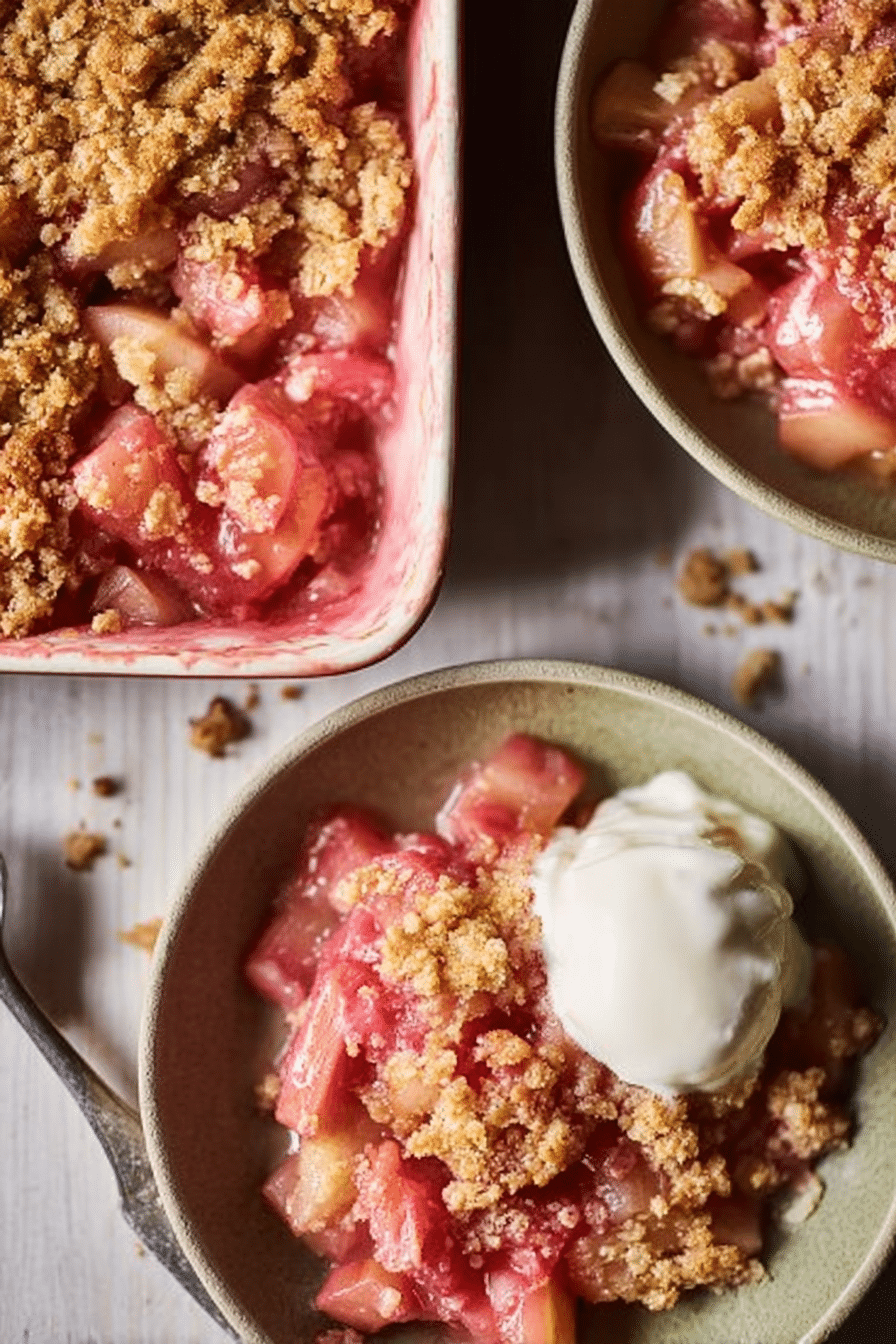
I learned early that good crisp is about balance: bright, tart rhubarb softened into a syrupy filling, and a topping that’s buttery and crackly with oats. In my kitchen I aim for a topping that still has big, satisfying clumps instead of a uniform crumble — it’s the part guests reach for first. The aroma of browned butter and oats always feels like an invitation to sit down and slow the day a little.
This recipe is simple, forgiving, and deeply traditional. I like to keep the flavors straightforward: rhubarb, a touch of citrus, sugar to tame the tartness, and a rustic oat streusel. It’s the kind of dessert you can make for a weeknight family dinner or a spring gathering, and it will feel right at home in both settings.
Below I’ll walk you through what you need, the small technique choices that make a big difference, and a few easy swaps so everyone at your table can enjoy a warm bowl of nostalgia.
Why This Classic Rhubarb Crisp Feels Like Grandma’s Kitchen
This crisp carries the same comforting notes I remember from childhood: the bright pink of chopped rhubarb, the sound of the topping turning golden in the oven, and the warm, buttery scent that fills the house. In family gatherings it was the dessert that meant spring had arrived—simple, honest, and meant to be shared. I still reach for it when I want to create that same feeling at home.
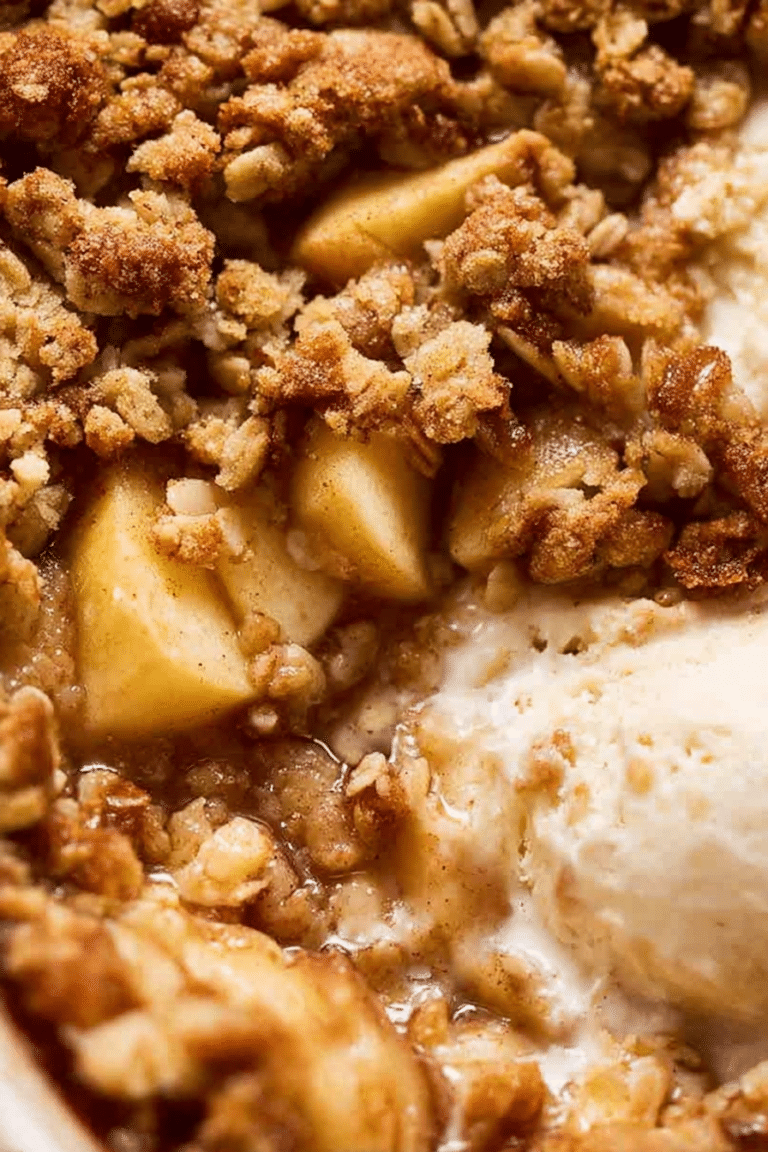
When the filling is bubbling at the edges and the topping has reached a deep golden color, the kitchen smells of caramel and tart fruit. I often let the crisp rest a little after it comes out so the juices thicken; the saucy center contrasted with crunchy oat clumps is what keeps guests coming back.
Everything You Need for Classic Rhubarb Crisp
Gathering the right ingredients and tools is half the comfort of making a familiar dessert. Use fresh rhubarb when you can—the color and firmness tell you how much water and tartness you’ll be working with. The temperature of the butter matters for the topping: melted and slightly cooled butter distributes evenly through the oats, giving you both clumps and crisp edges.
- Rhubarb stalks – The star ingredient; choose firm, brightly colored stalks for the best balance of tartness and texture.
- Granulated sugar – Sweetens the filling and helps make a glossy, syrupy finish.
- Cornstarch (or thickener) – Keeps the filling from running by thickening the fruit juices as it bakes.
- Lemon juice – Brightens the fruit and helps balance tartness while aiding in softening the rhubarb.
- Old-fashioned rolled oats – The backbone of the streusel; they give chew and crunch you want in a classic crisp.
- All-purpose flour – Binds the topping and gives structure to the clumps.
- Brown sugar – Adds depth and a hint of caramel to the topping.
- Salt and warm spices (optional) – A pinch of salt brings sweetness forward; cinnamon or cardamom can add a warm, homey note.
- Unsalted butter – Melted and slightly cooled; the fat that makes the topping rich and golden.
- Baking dish – A shallow square or small casserole works best for even baking and a high ratio of topping to fruit.
The Secret to the Perfect Crispy-Oat Topping
A great topping is about texture contrasts: crunchy edges, sandy crumb, and large buttery clumps. The technique is simple but precise—melted butter must be cool enough that it soaks into the oat-flour mix evenly without turning it greasy. Leaving some clumps intact before baking creates pockets of crispness that everyone fights over.
- Mix the dry topping ingredients thoroughly before adding butter so the butter coats everything evenly and you avoid soggy spots.
- Drizzle melted butter over the oat mixture rather than pouring it in one stream; toss gently until the mixture is moistened but still clumpy.
- Leave large clumps when you scatter the topping — they bake into crunchy islands surrounded by crumbly streusel.
- Bake until the topping is a deep golden brown and feels firm to the touch; a pale top means it needs more time to crisp up.
To make an even more delicious topping, you might enjoy adding elements found in creamy oatmeal to your crisp.
How to Balance Rhubarb’s Tartness Every Time
Rhubarb’s natural tang is the point of the dish, but it should sit in harmony with sweetness. Adjusting sugar and acidity based on the stalks you have will give you a balanced, syrupy filling rather than something sharp or cloying.
- Taste a small piece of raw rhubarb: if it’s very sharp, increase the sweetener slightly; if it’s milder and more floral, you can reduce sugar a bit.
- Use a splash of fresh lemon juice to brighten flavors — it also helps the rhubarb break down in the oven and creates a brighter, cleaner finish.
- If the filling seems too loose after baking, let the crisp rest so the thickener can finish setting; if it’s too firm, a spoonful of warm syrup or a splash of cream when serving softens the mouthfeel.
- When in doubt, err on the side of modest sweetness; the topping and any cold cream or ice cream you serve alongside will add sweetness and balance.
Easy Variations: Gluten-Free, Vegan, and Lower-Sugar Options
You don’t have to give up the nostalgia to meet dietary needs. These swaps keep the spirit of the crisp while accommodating different tables.
- Gluten-free – Use certified gluten-free oats and swap the flour for a gluten-free blend; expect a slightly looser topping but still plenty of crunch.
- Vegan – Replace butter with a firm plant-based alternative that melts and cools to the same texture; brown sugar or coconut sugar work well depending on your taste.
- Lower-sugar – Reduce the sugar in the filling and add a ripe berry (like strawberries) to introduce natural sweetness; stevia or erythritol can be used cautiously.
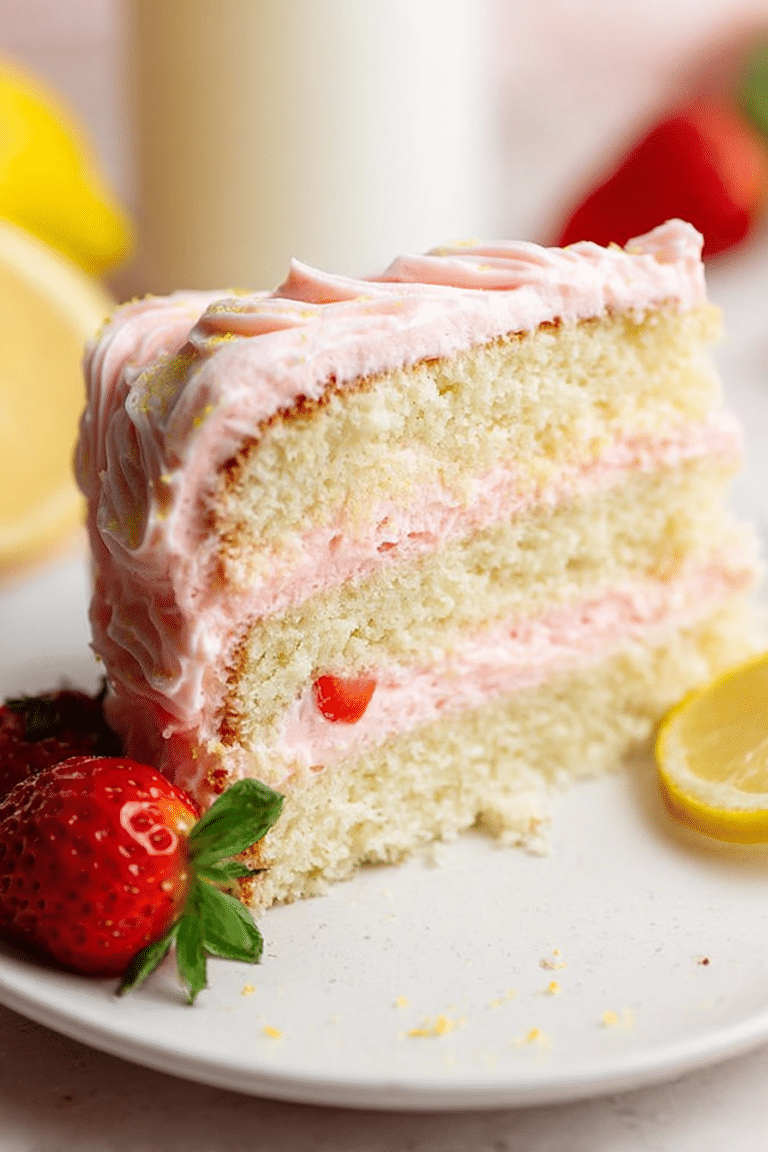
- Fruit mix – Combine rhubarb with sliced strawberries or apples for a sweeter, more rounded filling. If you’re interested in a fruity twist, try our strawberry rhubarb crisp.
How to Make Classic Rhubarb Crisp (Step-by-Step)
Below is a clear, kitchen-friendly sequence to guide your workflow. These steps cover the order of operations, what to watch for while baking, and small fixes if something goes slightly off-plan.
- Preheat your oven and prepare a shallow baking dish by rubbing it with a little butter so the bottom and sides won’t stick.
- Toss the chopped rhubarb with a sweetener and a thickening agent until evenly coated; add a splash of lemon juice and taste the raw mixture to adjust sweetness if needed.
- Transfer the fruit to the dish in an even layer so it cooks uniformly.
- In the same bowl, combine oats, flour, brown sugar, salt, and any optional spice. Drizzle in melted, cooled butter and stir until the oats are moistened and clumps form.
- Scatter the topping over the rhubarb, leaving large clusters intact for texture. Press a few larger clumps in place so they bake into crunchy islands.
- Bake until the filling is bubbling at the edges and the topping is golden and firm to the touch; allow the crisp to cool briefly so the filling sets before serving.
- Troubleshooting:
- If the topping browns too quickly, tent with foil partway through baking and continue until the filling bubbles.
- If the filling is too runny after baking, let it rest for a longer period to thicken; if it’s still loose, reheat briefly on the stovetop with a pinch more thickener.
- If the topping is soggy, give it more oven time on a lower heat to dry out and crisp, or briefly broil while watching closely to avoid burning.
Pro Tip for Classic Rhubarb Crisp: How to Chop and Soften Rhubarb
- I cut stalks into even pieces so the fruit cooks at the same rate — roughly uniform pieces ensure some pieces aren’t mushy while others remain firm.
- I always trim and discard the leaves; they are not edible. If stalks are stringy, peel the outside like you would a tough celery rib.
- To pre-soften especially firm rhubarb, I sometimes toss the pieces with a little lemon juice and let them sit for a few minutes before mixing with sugar; it helps them break down without losing too much shape while baking.
- When chopping, enjoy the crisp snap and bright color — it’s half the pleasure of working with spring produce.
How to Store, Reheat, and Make-Ahead Classic Rhubarb Crisp
Leftovers are a comfort in their own right, and how you store and reheat a crisp matters for texture. Make-ahead steps will save you time if you’re hosting.
- To store: cool completely, then cover and refrigerate. The topping will soften over time as it sits with the fruit, so try to eat within a few days for best texture.
- To reheat: warm individual portions in the oven until the topping re-crisps; a quick microwave zap will heat the filling but can make the topping soggy.
- To make ahead: assemble the crisp up to the point of baking, cover, and refrigerate for a day; bake from chilled, adding a little extra time if needed so the filling bubbles fully.
Creative Pairings and Serving Suggestions
Serve the crisp warm with a scoop of plain vanilla ice cream, a dollop of freshly whipped cream, or a spoonful of thick yogurt spiked with a little honey for contrast. For a grown-up pairing at a spring gathering, a light, sparkling cocktail complements the tartness beautifully — try a rhubarb gin fizz to lift the dessert’s brightness.
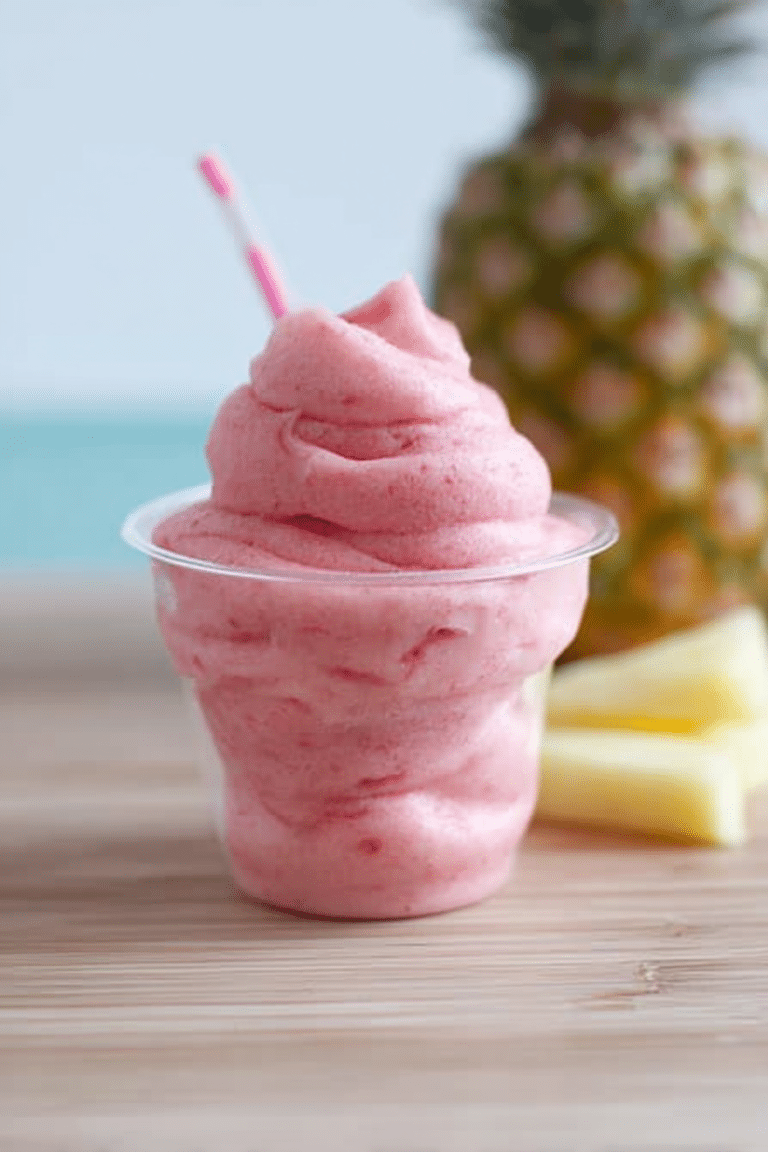
For a simple, cooling pairing on a warm day, a fruit-forward smoothie is lovely alongside a warm spoonful. The bright flavors of your rhubarb crisp would be beautifully matched with our easy strawberry smoothie, perfect for a warm day.
Other serving ideas: top with toasted nuts for crunch, spoon on a cinnamon-spiked mascarpone, or present individual portions in ramekins for a cozy dinner party. The presentation is as comforting as the flavor — a scattering of fresh rhubarb ribbons or a dusting of cinnamon makes it feel special.
Frequently Asked Questions
Do you need to peel rhubarb before using it in the crisp?
If the rhubarb is young and fresh, you can just trim it. If the rhubarb has fibrous outer strings, you might want to peel those off, similar to celery. A little lemon or orange juice can enhance its flavor!
What’s the difference between rhubarb crisp and rhubarb crumble?
The main difference lies in the topping! Crisps usually have a mix of oats and nuts for added crunch, while crumbles have a more traditional streusel topping.
How much rhubarb do I need for the crisp?
You’ll need about two pounds of rhubarb, which is roughly six cups when cut into one-inch pieces.
Can I add cinnamon to the rhubarb crisp?
Absolutely! Cinnamon is an optional ingredient that can add warmth and depth to the flavor of the crisp, so feel free to include it if you enjoy that spice.
What are some easy substitutions for dietary restrictions?
You can make gluten-free substitutions by using gluten-free oats and flour. For a vegan option, replace the butter with a plant-based alternative and use a vegan-friendly sugar.
Classic Rhubarb Crisp
Ingredients
Method
- Preheat the oven to 375°F and prepare the baking dish with melted butter.
- Mix sugar and cornstarch in a bowl, then add rhubarb and lemon juice, and transfer to the baking dish.
- Combine oats, flour, brown sugar, salt, and cinnamon in a bowl, then add melted butter and mix. Scatter on the rhubarb.
- Bake for 35-45 minutes, allow to cool, and serve with ice cream or whipped cream.