
How I Make Authentic Elote — Mexican Street Corn for Summer BBQs
- Prep
- 20 min
- Cook
- 10 min
- Total
- 30 min
- Serves
- 6
- Calories
- 299 kcal
- Carbs
- 20.00 g
Introduction
When I first bit into elote at a tiny stand tucked between a fruit vendor and a taco cart, the memory of that char, the tang of lime and the salty crumble of cotija stayed with me. I still remember the vendor spinning the ear over hot coals, the husk going black at the edges while the kernels blistered and popped. That simple scene — heat, smoke, quick hands, and generous toppings — is what I try to bring into my kitchen whenever corn is at its sweetest.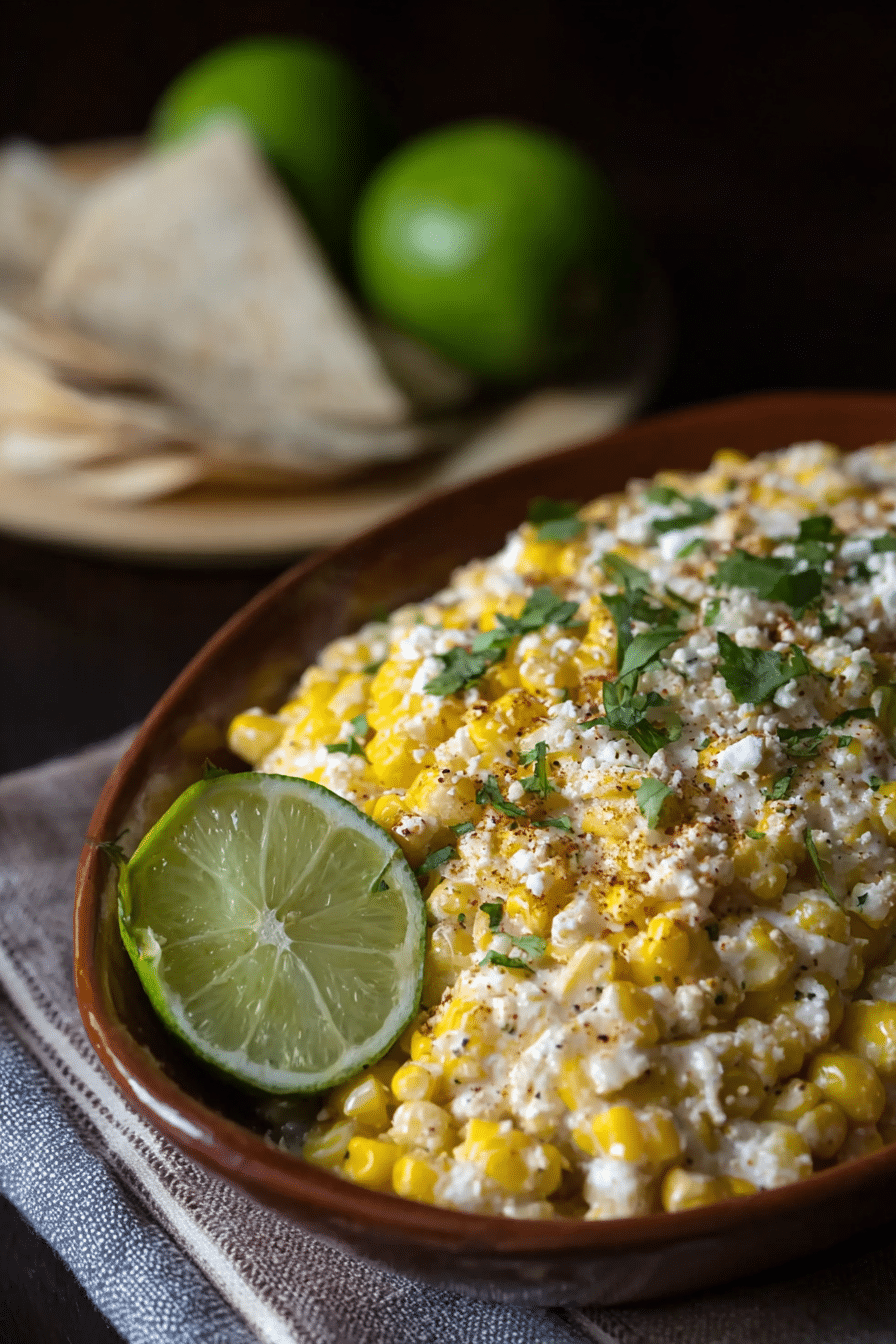
Why This Elote Brings the Streets of Mexico to Your Backyard
Elote is more than grilled corn with toppings; it’s a street-food ritual that threads family gatherings, late-night markets, and neighborhood vendors together. In Mexico, vendors sell ears brushed with crema and rolled in cheese while neighbors stop by to chat. That communal spirit is part of the dish: it’s simple to share, quick to assemble, and meant to be eaten warm.
The flavors are direct and honest. Fresh corn provides a sweet base, bright lime lifts the richness, cotija adds a salty crumb, and chile or chili powder gives a familiar warm edge. Use fresh, in-season corn and you’ll notice the difference — the kernels should still feel juicy and pop lightly under your teeth, not be mealy or dry.
Everything You Need for Elote
Below I talk through the core ingredients and why each one matters. If you want a fuller plate alongside your elote, don’t forget to pair your elote with homemade tortillas for a complete Mexican street food experience.
- Fresh corn on the cob – The foundation: look for ears with bright yellow kernels that are plump and slightly firm; sweetness is key.
- Mayonnaise – Adds creaminess and helps the toppings adhere; for a lighter feel you can thin it slightly with a splash of stock or lime.
- Sour cream or Mexican crema – Brings tang and softens the mayo; crema is thinner and silkier, which is authentic if you can find it.
- Fresh lime – Acid cuts through fat and wakes the flavors; always squeeze fresh juice right before serving.
- Cotija cheese – The classic salty crumble; if you can’t find cotija, use a firm crumbly cheese like queso fresco or a lightly salted feta.
- Chili powder or ground chile – Provides color and smoky heat; ancho or chile piquin-style powders are traditional choices.
- Fresh cilantro – Bright herbal lift; add right before serving so it stays vivid.
- Sriracha or hot sauce – Optional, for a touch of tangy heat that blends well into the creamy mixture.
- Chicken stock or a light broth – Used sparingly to loosen the sauce and add depth if needed.
- Salt, pepper, and a pinch of sugar – Small seasonings that balance brightness and roundness.
A Note on Traditional Toppings and Regional Variations
Traditional toppings are straightforward but regionally personal. The staples are lime, chili powder, crema (or sour cream), and cotija cheese — each plays a distinct role: acid, heat, fat, and salt. In northern Mexico you might find smokier chiles; in central regions the use of crema and cotija is more pronounced. These small differences reflect local produce and palate rather than an entirely different dish.
For creative variations, a sprinkle of fresh chopped chile serrano or a smear of chipotle paste adds a smoky depth. If you want a bright, salsa-like contrast, complement your elote with authentic pico de gallo — the fresh tomato and onion give a cooling counterpoint to the warm corn and cheese.
The Secret to Perfectly Charred Corn
Char is what gives elote its grilled personality: caramelized kernels with the slightest bitter edge that plays against the creamy topping. To get that without burning the corn, you need control of heat and moisture.
Key techniques I use include keeping the husk on for initial charring if I want a steamed, smoky finish, or shucking ahead and grilling directly for more direct char. The moisture in fresh corn helps prevent shriveling — ears that are too dry will burn before they caramelize.
For a different char character and an extra flavor nudge, try a butter or chile-butter finish — for inspiration, consider our partner recipe for grilled corn with a smoky butter: grilled corn on the cob with chipotle butter.
- Preheat the grill to a medium-high zone so the corn hits heat that sears but doesn’t incinerate.
- Turn frequently and use diagonal turns to promote even surface blistering rather than hot-spot burning.
- If you leave husks on, soak briefly only if your goal is steam-with-smoke; otherwise dry-husk grilling gives better blistering.
- Watch the kernels: they should darken with a few browned spots and begin to smell nutty — that’s your cue to remove them.
Vegan and Dairy-Free Swaps That Stay True to the Flavor
You can keep the spirit of elote alive while making it plant-based by focusing on texture and contrast. The aim is to replace the creamy and salty elements without losing that bright, layered taste.
- Vegan mayonnaise and a plant-based sour cream – Use a cultured coconut or cashew-based sour cream for tang and body.
- Dairy-free crumbly cheese – Choose a firm, salty vegan cheese or crumble a roasted, salted tofu that mimics cotija’s texture.
- Smoky chile powders and extra lime – Increase the chile and citrus to compensate for the loss of dairy richness.
- Fresh herbs and a splash of vinegar – Cilantro and a touch of apple-cider or white-wine vinegar add brightness and lift.
How to Make Elote (Step-by-Step)
The steps below follow the traditional rhythm: grill for char, mix a creamy sauce, combine gently, and finish with toppings. Keep your timing tight so the corn is warm when you dress it.
- Prepare the corn by trimming any stray silk and deciding whether to grill with husks on (for steam-plus-smoke) or off (for direct char).
- Grill the ears over medium-high heat, turning every minute or so to achieve even blistering and a light char on many sides.
- Set the corn aside briefly to cool enough to handle; then shuck (if you grilled with husks) and slice the kernels off the cob if you plan to sauté them as a warm salad.
- Whisk the creamy mixture together so the mayonnaise and sour cream are smooth; add hot sauce, lime, a touch of stock, and seasonings until it tastes balanced — tangy, slightly salty, with a hint of heat.
- Toss warm corn with the sauce in a skillet over low heat just to meld flavors and warm the coating through; don’t simmer — you want structure in the kernels.
- Transfer to a platter and garnish immediately with cotija, chopped cilantro, and a final dusting of chili powder and an extra squeeze of lime.
Troubleshooting
- I find that if the husk chars too deeply before the kernels blister, the corn was either too close to the flame or the grill was too hot — pull the ears back to a cooler zone and turn more often.
- If the sauce slides off, the corn is usually too wet: pat the ears dry after shucking or warm the kernels a bit longer so the surface is tacky and the sauce adheres.
- I learned to taste for balance: if the topping is flat, add a squeeze of lime or a pinch more salt rather than more mayo.
Pro Tip for elote - mexican street corn: How to Grill Without Overcooking
- Preheat the grill and create a two-zone fire: a hotter side for initial searing and a cooler side to finish cooking without burning; I always start on the hot side and finish on the cool.
- Use tongs and rotate every 45–90 seconds; small, frequent turns give even blistering instead of one charred stripe.
- Rest the ears for a few minutes after searing; the carry-over heat finishes cooking while juices redistribute, which helps flavor and prevents a dried-out texture — I never skip this rest.
- Check doneness by pressing a kernel with your thumbnail: it should yield slightly and release a small bead of juice — that’s the sweet spot.
How to Store, Reheat, and Make-Ahead Elote (Plus Variations)
Leftover elote keeps surprisingly well if you separate components when possible. Store grilled corn and creamy sauce in airtight containers and combine or reheat just before serving to preserve texture.
- Reheat gently on a skillet or low oven so the corn warms through without losing its snap — avoid high heat which can toughen kernels.
- Make-ahead option: prepare the sauce ahead and keep refrigerated; grill the corn fresh the day of service and dress right before serving for best texture.
- Variation - Elote dip: Chop grilled kernels and fold into the creamy sauce with extra cotija and cilantro for a shareable dip served warm with tortilla chips.
- Variation - Elote salad: Cut kernels off the cob and toss with lime, chopped herbs, crumbled cheese, and a drizzle of olive oil for a room-temperature side.
- For a unique spin, try a savory braise by adding grilled corn to pulled chicken in a slow cooker for a hearty main — if you like that idea, check this savory slow cooker street corn chicken variation: savory slow cooker street corn chicken.
Frequently Asked Questions
Is elote served hot or cold?
Elote is best served warm right after it's cooked, allowing the flavors of the toppings to meld beautifully with the corn.
Can I make elote in advance?
Yes! You can prepare elote in advance and store it in the refrigerator. Just reheat it gently before serving for the best taste.
What can I substitute for cotija cheese?
If you can't find cotija cheese, you can use feta or queso fresco as a delicious alternative.
Is there a vegan version of elote?
Absolutely! You can use vegan mayonnaise and dairy-free cheese to create a vegan version that still tastes fantastic.
What type of corn should I use for elote?
Use fresh sweet corn for the best flavor and texture. Look for corn on the cob at your local market.