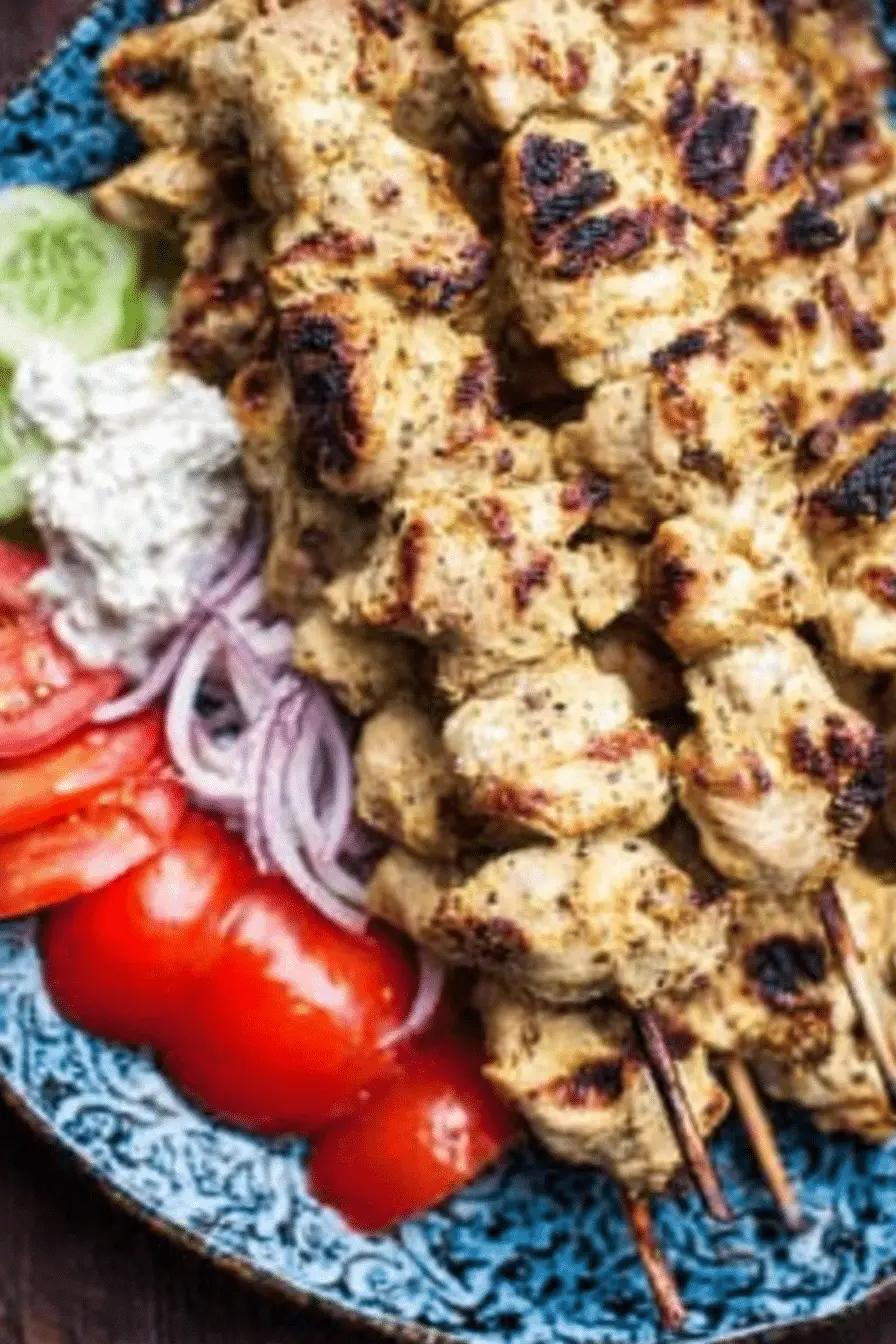
The Greek Chicken Souvlaki Recipe I Make Every Summer — 25 Minutes
- Prep
- 20 min
- Cook
- 5 min
- Total
- 25 min
- Serves
- 10
- Calories
- 168 kcal
- Carbs
- 1.80 g
Introduction
I make this Greek chicken souvlaki on repeat when friends drop by or when I need a weeknight dinner that feels special but doesn’t steal the evening. The marinade is simple, the skewers are fun to grill, and the whole meal comes together fast—about 25 minutes from the moment the chicken hits the heat if you’ve allowed a short marinate. I love how the lemon and oregano wake up the chicken without masking its natural flavor.
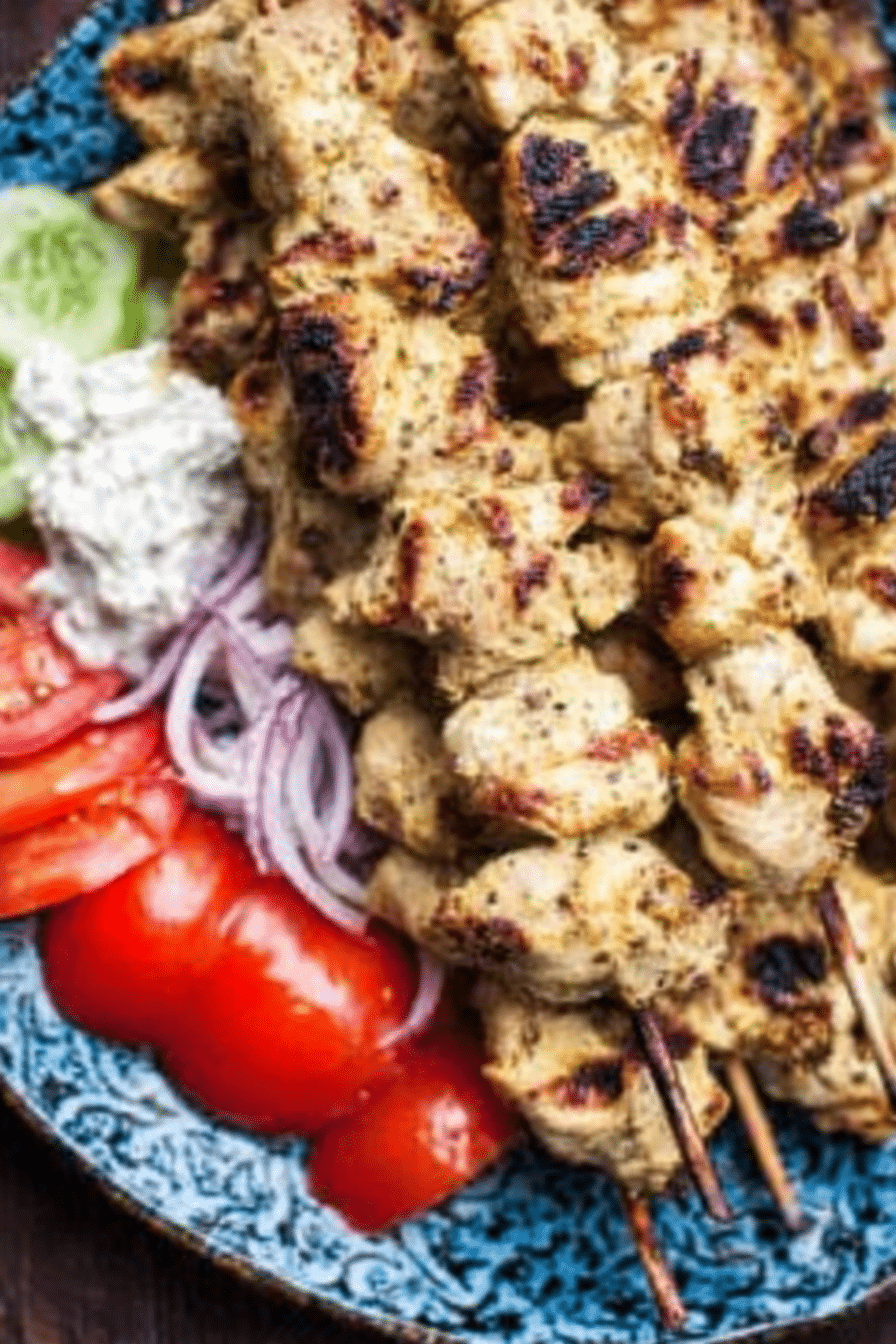
What I appreciate most about this recipe is how adaptable it is: you can grill outdoors, use a hot griddle, or cook on the stovetop and still get that lightly charred, juicy result. Threading chicken on skewers turns dinner into something interactive and festive, which is perfect for small gatherings or a casual buffet.
Over the years I’ve learned a few small tricks—timing the marinade, spacing the pieces on the skewer, and a quick rest after cooking—that consistently keep the chicken tender and flavorful. Read on for a clear, quick guide so you can get great results the first time, whether you’re cooking for two or feeding a crowd.
Why This Greek Chicken Souvlaki Is Perfect for Busy Weeknights and BBQs
This recipe shines because it’s fast, portable, and crowd-pleasing. The total active time is short, the skewered presentation makes serving fuss-free, and the basic pantry ingredients deliver bright, familiar Greek flavors without complicated steps.
- Straightforward prep—marinate, skewer, grill—keeps the timeline tight and predictable.
- Skewers are ideal for gatherings: everyone can grab a few pieces, or you can turn it into pita sandwiches at a serve-yourself station.
- Works equally well indoors or outside, so bad weather doesn’t derail dinner plans.
Picture the sound of chicken sizzling on a hot grate, the citrus aroma from the lemon, and the visual pop of fresh veggies and olives on a platter—this one hits multiple sensory notes with minimal effort.
Everything You Need for Greek Chicken Souvlaki
Gathering simple, quality ingredients and a few tools makes the process smooth. I always emphasize olive oil quality and fresh lemon for the best result.
- Garlic – Adds savory backbone; fresh is best, but jarred minced garlic can work in a pinch.
- Dried oregano – The classic herb note for Greek flavor; use a robust Mediterranean oregano if you can find it.
- Dried rosemary – Offers a savory, resinous edge; crushed finely so it blends into the marinade.
- Paprika – For warmth and color; sweet or smoked both work depending on your preference.
- Salt & black pepper – Essential for seasoning; adjust to taste.
- Extra virgin olive oil – The fat that carries flavor; a good Greek or Mediterranean olive oil adds brightness.
- Dry white wine (or a splash of stock) – Adds depth and helps the marinade penetrate.
- Fresh lemon juice – The acid that tenderizes and brightens the chicken.
- Bay leaves – Aromatic in the marinade; remove before serving.
- Boneless, skinless chicken breast – Cut into even pieces for consistent cooking; chicken thighs are a juicier swap if you prefer.
- Wooden or metal skewers – Soak wooden skewers if using; metal skewers don’t need soaking and conduct heat for faster cooking.
- Pita and tzatziki – For serving; soft warmed pita and creamy tzatziki finish the dish.
Tools to have ready: a small food processor or sharp knife for the garlic and herbs, a shallow bowl or zip-top bag for marinating, an instant-read thermometer to check doneness, and a hot grill, griddle, or heavy skillet.
The Secret to Juicy, Never-Dry Chicken
The real keys are the balance of acid and oil in the marinade, cut size, and cooking time. Acid (lemon and a bit of wine) loosens connective tissue so the meat becomes tender; oil carries flavor and helps with browning. Don’t over-acidify—just enough to tenderize without turning the meat mushy.
- Cut the chicken into uniform pieces so they cook evenly and quickly.
- Leave a small gap between pieces on the skewer for hot air to circulate and for even browning.
- Cook over medium-high heat and turn frequently so the exterior browns without overcooking the interior.
- Pull the chicken when the internal temperature reads around 160°F, then let it rest to reach the final safe temperature while staying juicy.
Troubleshooting:
- If the exterior chars too quickly, lower the heat and move the skewers to a cooler zone to finish cooking.
- If the chicken is dry, check that pieces were uniform and not overcooked—shorter cooks on slightly higher heat usually help.
- If the marinade tastes flat, increase the lemon or oregano next time and make sure you used a decent olive oil for flavor depth.
Quick Marinade Options: 2-Hour vs. Overnight
Both timeframes work—your choice depends on schedule. Two hours gives a clear flavor lift and tenderization; overnight lets the aromatics sink in more deeply. If you’re pressed for time, there’s a safe short-cut that still delivers good flavor.
- 2-hour method: A short, brisk marinate works well when pieces are cut small; flavors penetrate the surface quickly.
- Overnight: For the deepest flavor, refrigerate in the marinade overnight, but remove bay leaves before cooking to avoid bitterness.
- Speed method: If you’re very short on time, massage the marinade into the chicken and let it sit at room temperature for 20–30 minutes before cooking—this helps the flavors cling to the surface (use this only when you’ll cook immediately afterwards).
- Food-safety note: Always marinate in the refrigerator unless you’re using the speed method and cooking right away; never reuse marinade that touched raw chicken unless boiled first.
Indoor vs. Outdoor Cooking: Grill, Griddle, or Pan
Each surface gives slightly different results. An outdoor grill gives the most authentic char and smoky notes; a griddle provides even contact and fast sear; a heavy skillet on the stovetop is the most accessible option and still yields great texture.
- Outdoor grill: Preheat to medium-high, oil the grates to prevent sticking, and keep a spray bottle of water for flare-ups.
- Griddle or cast-iron skillet: Heat until very hot, add a thin layer of oil, and cook in batches so pieces don’t steam from overcrowding.
- Non-stick pan: Use moderate-high heat and don’t crowd the pan; you’ll get good browning without too much sticking.
- Safety tip: If cooking indoors, ensure your kitchen is well-ventilated and use an exhaust fan; hot oil and high heat can produce smoke.
How to Make Greek Chicken Souvlaki (Step-by-Step)
- Prepare the marinade: pulse garlic, oregano, rosemary, paprika, salt, pepper, olive oil, white wine, and lemon juice until well combined (leave bay leaves out for blending).
- Place the chicken in a bowl, add the bay leaves, and pour the marinade over the chicken; toss so every piece is coated, then refrigerate for 2 hours or overnight.
- Soak wooden skewers if using; metal skewers don’t need soaking.
- Thread chicken onto skewers, leaving a little space between pieces for even cooking.
- Preheat your grill, griddle, or skillet to medium-high and oil the cooking surface lightly to prevent sticking.
- Grill the skewers, turning often, until the exterior is browned and the internal temperature reaches about 160°F; total cook time is short—generally around 5 minutes depending on heat and piece size.
- Transfer skewers to a platter and let rest for 3 minutes; grill pitas briefly and keep warm while the meat rests.
- Assemble: spread tzatziki on warm pita, add chicken pieces (remove from skewers first), top with sliced tomato, cucumber, onion, and Kalamata olives.
Pair your souvlaki with a refreshing traditional tzatziki sauce for an authentic Greek experience.
Pro Tip for greek chicken souvlaki recipe: Marinade Shortcuts That Still Deliver
- Use a high-quality, store-bought Greek seasoning blend mixed with olive oil and lemon if you need to skip chopping herbs—add fresh garlic if possible.
- Marinate larger batches and freeze raw skewers flat on a tray; thaw in the fridge the day before cooking for easy party prep.
- If you’re short on time, press the marinade into the meat with a fork or give it a quick 20–30 minute room-temperature rest after massaging to help flavors adhere before cooking.
- Pre-make tzatziki and keep it chilled—homemade or store-bought both work and save time at service.
What to Serve with Souvlaki: Sides, Drinks, and Serving Ideas
Serve this souvlaki with a mix of bright, textural sides and cooling sauces so guests can build their own plates. Think fresh salads, warm pita, and a few dips for variety.
For a light and fresh accompaniment, consider serving our easy grilled salmon alongside your Greek chicken souvlaki.
- Traditional sides: tzatziki, Greek salad with crisp cucumber and tomato, warm pita, and Kalamata olives.
- Healty salads: a Mediterranean chickpea salad pairs beautifully for more substance and complements the savory chicken.
- Dips and spreads: roasted garlic hummus or a mezze platter with dolmades add variety and ease for entertaining.
- Drinks: crisp, unoaked white wines or a dry rosé are classic; for non-alcoholic options, sparkling water with lemon or a chilled herbal iced tea works well.
- Presentation: lay out warm pitas, bowls of tzatziki and veggies, and a tray of skewers so guests can assemble their own souvlaki—this buffet style is low-stress and colorful.
Add a vibrant Mediterranean chickpea salad as a healthy side dish to complement your souvlaki.
How to Store, Reheat, and Make-Ahead Greek Chicken Souvlaki
Proper storage and reheating keep the chicken tender and flavorful for later meals.
- Refrigerate: store cooked chicken in an airtight container for up to 3 days. Keep tzatziki separate to preserve texture.
- Freeze: freeze raw marinated chicken skewers flat on a tray, then transfer to a freezer bag for up to 3 months; thaw in the refrigerator before grilling.
- Reheat: warm gently in a preheated oven at a moderate temperature or in a skillet with a splash of water to retain moisture; avoid reheating on too-high heat which dries out the meat.
- Make-ahead: you can marinate the chicken the night before and thread skewers just before cooking to save time on the day of serving.
For a delicious way to use leftovers, try transforming them into a warming Greek lemon chicken soup with orzo.
Dietary Swaps for Greek Chicken Souvlaki
- Vegetarian/Vegan: Use firm tofu or seitan, press or marinate well, and grill until caramelized; swap yogurt-based tzatziki for a dairy-free cucumber-herb sauce.
- Higher-fat/juicier option: Use boneless skinless chicken thighs instead of breast for more forgiving results.
- Gluten-free: Serve on lettuce leaves or gluten-free flatbread instead of pita.
- Lower-sodium: Cut the added salt and boost herbs, lemon, and garlic for flavor without the salt punch.
- Oil-free: Use a light brush of oil on the cooking surface and rely on the wine and lemon in the marinade for flavor; note texture will differ slightly.
Frequently Asked Questions
What are the key ingredients in Greek chicken souvlaki? The key ingredients for Greek chicken souvlaki include boneless, skinless chicken breast, garlic, dried oregano, rosemary, paprika, olive oil, white wine, lemon juice, and various vegetables for serving.
How long should I marinate the chicken for Greek souvlaki? For the best flavor, marinate the chicken for at least 2 hours, but you can also let it sit overnight for even more delicious results.
Can I cook Greek chicken souvlaki indoors? Yes! You can grill, use a griddle, or even pan-fry the marinated chicken skewers indoors. Just ensure you are cooking on medium-high heat for the best results.
What sides go well with Greek chicken souvlaki? Great sides include tzatziki sauce, Greek pita bread, a fresh Greek salad, roasted garlic hummus, and a refreshing watermelon and cucumber salad.
How do I store leftover Greek chicken souvlaki? Store leftover Greek chicken souvlaki in an airtight container in the refrigerator for up to 3 days. Reheat gently in the oven or on the stove to retain moisture.