

I make this Greek Orzo Salad all summer long when friends drop by for an impromptu grill night. It lives on the cooler side of the table, bright and zesty next to smoky steaks and charred vegetables. I love how the lemon and red wine vinegar cut through richer grilled mains, and how the feta and olive brine add just enough savory tang to make people reach for seconds.
I test the salad in my kitchen by serving it across a few different menus — sometimes beside grilled lemon chicken, other times with seared salmon. Each time I tweak tiny things: a splash of olive brine here, a little more crisp cucumber there — until the balance feels effortless. The result is a cool, colorful bowl that can feed a crowd and still sit happily on the buffet for a couple of hours.
When I bring this to backyard parties, it’s the recipe people keep returning to because it stays fresh tasting even after sitting out for a while. The textures — plump little orzo, crunchy bell pepper, crisp cucumber and creamy feta — give every forkful contrast. I’ll share the practical tips I use so you can get the same reliable results in your kitchen.
Why This Greek Orzo Salad Is Ideal for Summer BBQs and Big Gatherings
This salad is meant to be the cool counterpoint to anything off the grill. The bright lemon and red wine vinegar give the dish a lively acidity that complements smoky meats and grilled vegetables, while the olive brine and feta introduce that classic Mediterranean savor. Because it’s served cold, it’s a refreshing option on hot days and a welcome contrast to hot, heavy mains.
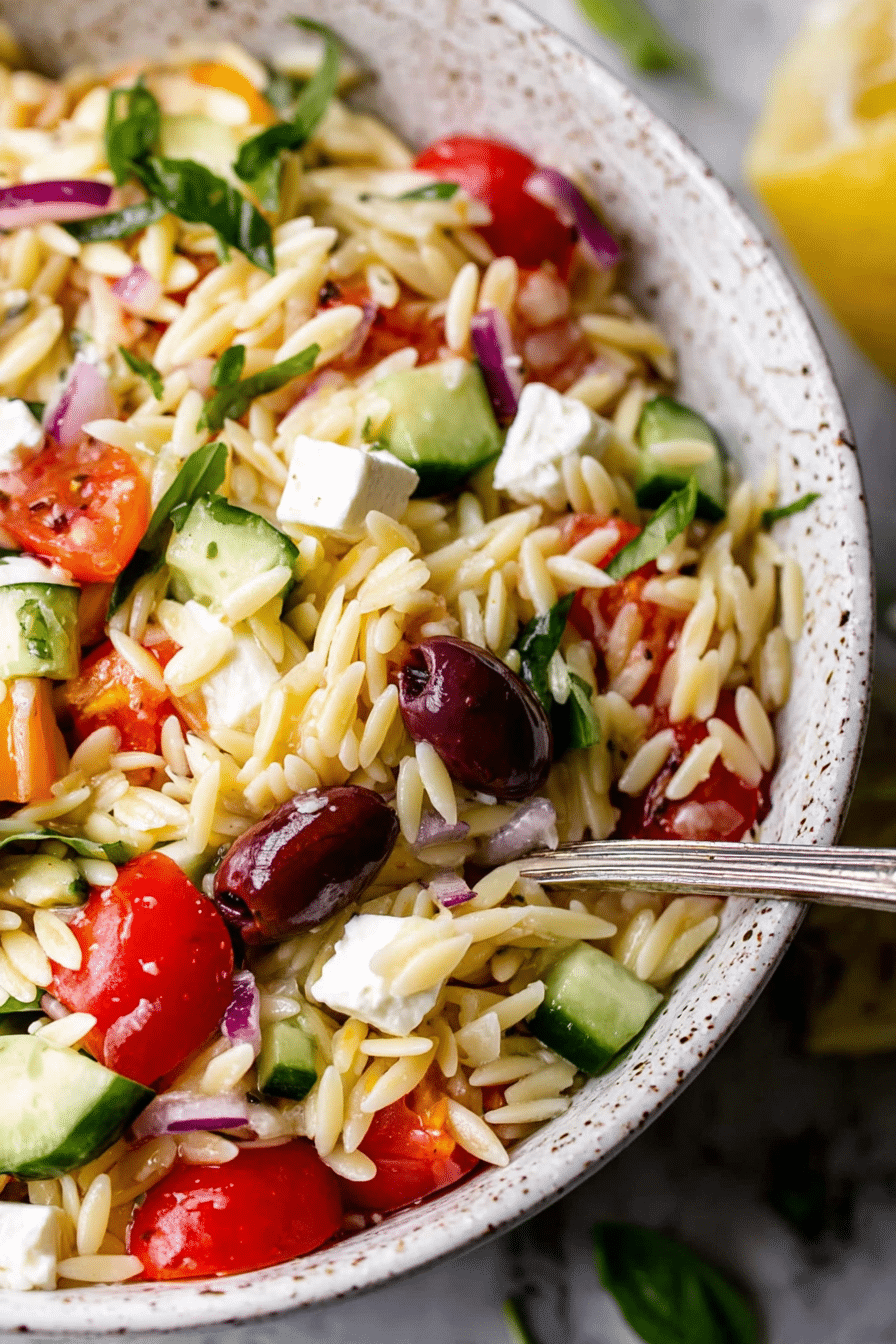
It’s also extremely versatile for feeding a crowd: orzo (a small pasta) holds dressing well so each serving tastes balanced, and the salad scales easily without losing texture when you follow a few simple rules. Visualize a large bowl dotted with red tomatoes, emerald cucumber, dark olives and white feta — it’s an inviting centerpiece that reads as festive on a BBQ table.
Everything You Need for Greek Orzo Salad
- * Orzo – The tiny pasta that acts like a grain here; it soaks up dressing without getting mushy when handled correctly. Swap to gluten-free orzo if you need a gluten-free version.
- * Olive oil – Adds silk and helps flavors cling to the orzo; use a good extra-virgin for aroma or a milder oil if you prefer.
- * Lemon and red wine vinegar – The acid backbone for brightness and balance; adjust to taste so the salad never feels flat.
- * Olives and olive brine – Provide salty, briny depth; use kalamata or another firm, flavorful olive and reserve a little brine to finish the dressing.
- * Feta – Creamy, crumbly saltiness that contrasts crunchy vegetables; for a vegan swap, use a firm plant-based feta or marinated tofu.
- * Cucumber, tomatoes, bell pepper, red onion – Crisp, fresh veg for crunch, color and sweetness; use seasonal produce to keep the bowl vibrant.
- * Dried oregano (or fresh) – Adds classic Mediterranean herb character; fresh oregano brings an aromatic lift when sprinkled on top.
- * Garlic powder or fresh garlic – Provides background savory flavor; use what you have and adjust so it doesn’t overpower the lemon.
Scaling for a Crowd: How to Multiply Ingredients Without Losing Flavor
When you scale this salad, the big trap is over- or under-seasoning. Acid and salt intensify differently than solids when you double or triple a recipe, so here are targeted rules to keep the balance right.
- Start with a reliable pasta-to-veg ratio: think of the salad as roughly equal parts cooked orzo and combined vegetables by volume. That keeps the texture balanced as you increase batch size.
- Acid adjustment: when you double the solids, don’t double the acid right away. Add most of the dressing, taste, then finish with additional lemon or vinegar to brighten — this prevents the large batch from becoming too sharp.
- Seasoning scaling: salt and brine should be adjusted after the pasta is combined and chilled because flavors concentrate or mellow as the salad rests. Add salt gradually and taste as you go.
- Mixing logistics: for large batches, dress in stages — toss a portion of the orzo with dressing, then fold in the next portion. This ensures even coating without overdressing any single area.
Color & Texture: The Veggie Choices That Keep It Vibrant
Contrast is everything for a crowd-pleasing salad. I aim for a mix of crunchy, juicy and creamy elements so every forkful has interest: crisp cucumber and bell pepper, juicy tomatoes, briny olives, and creamy feta. Color matters too — aim for a palette with red, orange, green and deep purple to make the bowl pop under summer light.
If you want to push the colors further, add shredded carrot for orange brightness, thinly sliced radish for peppery crunch, or diced roasted red peppers for a smoky sweet note. For a legume boost and extra color, pair this dish on the table with a Mediterranean chickpea salad to create an even more vibrant spread: consider adding a Mediterranean chickpea salad.
- Variations – Make it vegan by swapping crumbled plant-based feta and adding a handful of toasted pine nuts or chickpeas for richness.
- Seasonal swaps – In mid-summer, double down on cherry tomatoes and sweet corn; in spring, add thin asparagus ribbons for crunch.
- Texture boosters – Toasted seeds or chopped toasted almonds add a pleasant bite if you want extra crunch for a crowd.
Keeping Orzo Firm: The Secret to Preventing Sogginess
The texture of the orzo makes or breaks this salad. You want it plump and slightly firm, not pasty or swollen. Here’s how I handle the pasta so it stays glossy and separate in the final bowl.
- Cook to just shy of al dente: you want a slight chew left because it will relax as it cools. Rinse immediately under cold water to stop the cooking and to cool it for the salad.
- Drain very well: give the orzo time to shed excess water in a colander and, if needed, spread it on a sheet tray to air-dry for a few minutes before dressing.
- Toss with part of the dressing while still slightly warm so each piece is lightly coated; finish dressing after you fold in vegetables — that double-coating helps keep pieces separate rather than clumping.
- Troubleshooting (what I do when things go wrong) – If the orzo arrives gummy, I’ll thin the salad with a splash more acid and extra olive oil and fold gently to separate grains. If it’s bland, I add a little more olive brine and a pinch of kosher salt and let it rest to marry the flavors.
- If your orzo soaks up all the dressing after sitting, add a fresh drizzle of olive oil and a squeeze of lemon right before serving to refresh the bowl.
How to Make Greek Orzo Salad (Step-by-Step)
- Bring a large pot of well-salted water to a boil and cook the orzo until it’s just shy of al dente; drain and rinse under cold water to stop the cooking, then drain completely.
- In a large mixing bowl, whisk together the dressing ingredients — olive oil, lemon, red wine vinegar, oregano, garlic powder, and a little of the olive brine for extra depth.
- Add the olives, diced red onion and a splash of the olive brine to the dressing and mix to combine so the flavors infuse the oil.
- Toss the cooled, drained orzo with the dressing until the pasta is evenly coated; then fold in cucumber, halved grape tomatoes and diced bell pepper and toss gently to combine.
- Taste and adjust for salt and acid; let the salad rest in the refrigerator for a few hours to allow flavors to marry, then add the feta just before serving so it stays distinct in the bowl.
Pro Tip for Greek Orzo Salad: Gluten-Free & Vegan Swaps That Work
- I recommend using a high-quality gluten-free orzo made from rice or corn if you need a gluten-free option; cook it exactly the same way and rinse well to keep it firm.
- For a vegan version, swap the feta for a firm marinated tofu or a store-bought vegan feta; add a little extra olive brine to mimic that salty tang.
- To keep the texture lively in vegan salads, toss in roasted chickpeas or toasted nuts for bite and protein.
How to Store, Make-Ahead, and Serve This Salad
This salad actually benefits from sitting a few hours so flavors meld. I often make it the morning of a party or the night before and refrigerate it until serving; add the cheese right before you put the bowl out if you want the feta to look fresh and intact.
- Storage: keep leftovers in an airtight container in the refrigerator; it will stay good for a few days — give it a stir and a squeeze of lemon before serving again.
- Make-ahead tip: dress the orzo lightly and store the vegetables separately if you need absolute peak crunch on serving day, then fold them together an hour before guests arrive.
- Repurposing leftover orzo: if you have extra cooked orzo after the party, try turning it into a warm skillet dish like a cheesy vegetable bake — or use it to make a broccoli cheddar orzo for lunch: try a broccoli cheddar orzo.
Pairing Suggestions: What to Serve with Greek Orzo Salad
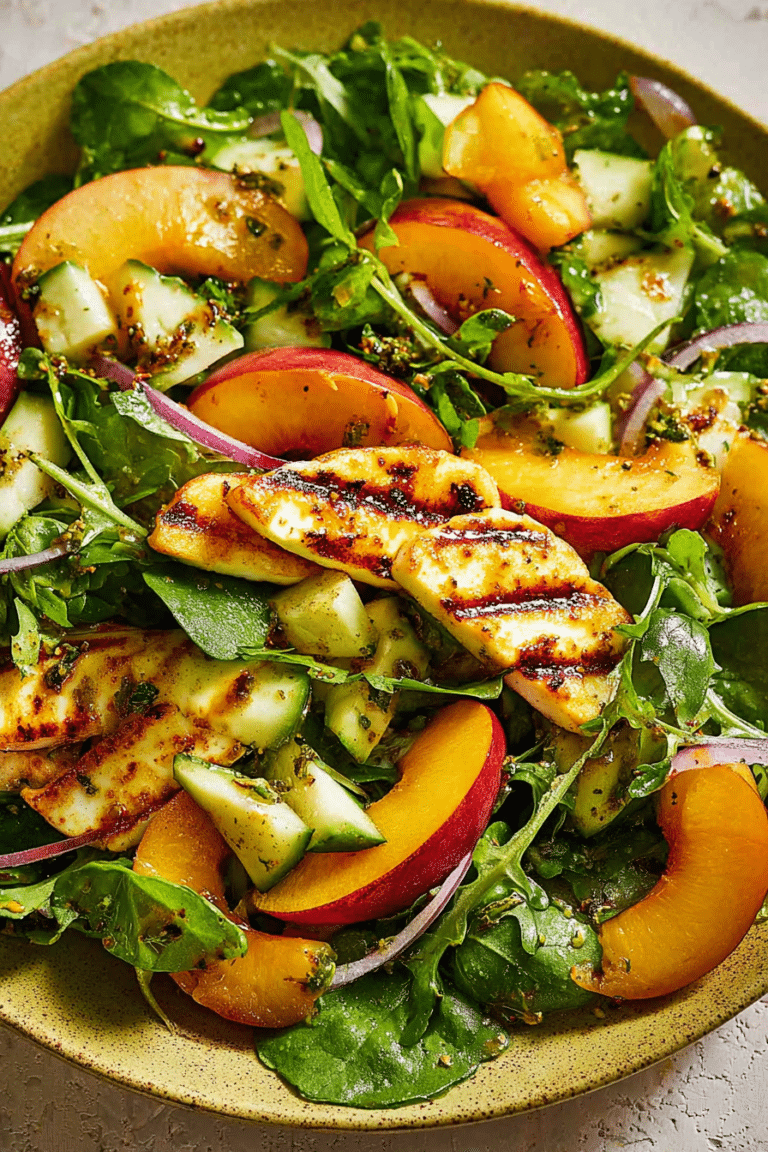
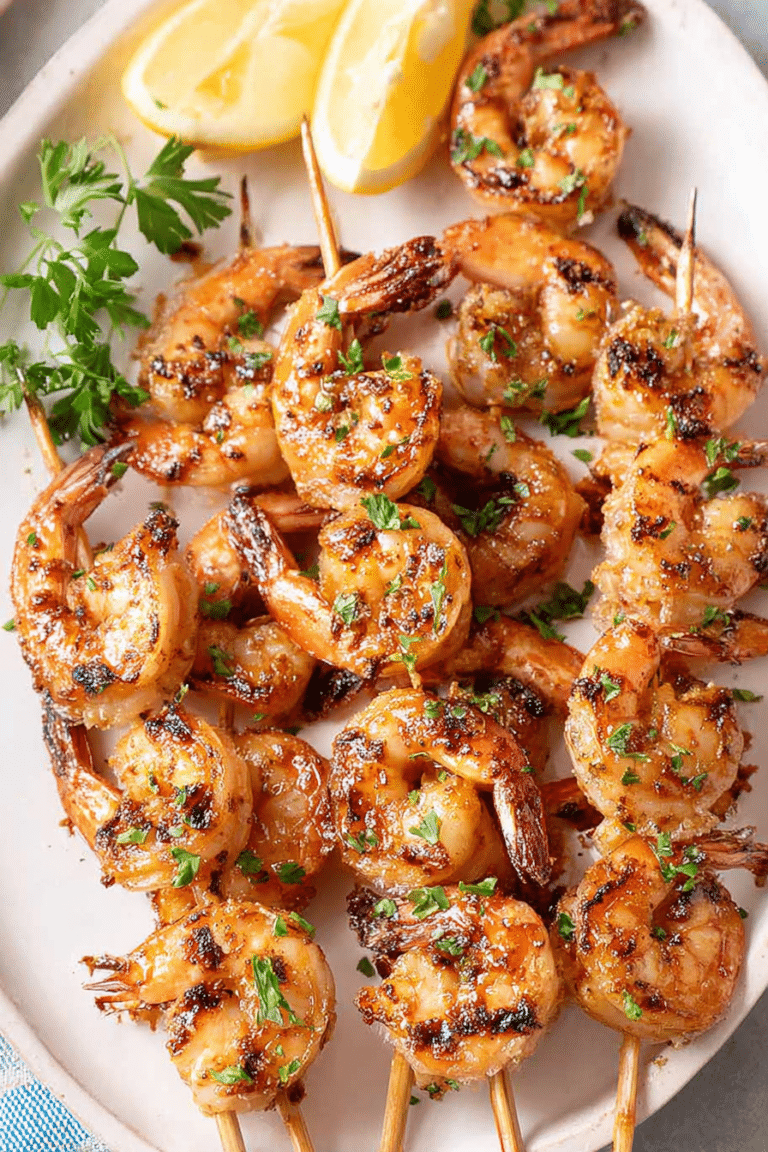
This salad plays nicely with a variety of mains. For grilled proteins, think simply seasoned lemon chicken, herbed lamb kebabs, or grilled shrimp — their char and fat are balanced by the salad’s lemony brightness. For vegetarian boards, add grilled halloumi or a platter of roasted seasonal vegetables.
If you want a lighter, cozy pairing, serve this salad alongside a tangy soup like Greek lemon chicken soup with orzo for a complete meal that remains bright and summery: pair with Greek lemon chicken soup with orzo. For a full picnic spread, a refreshing corn salad is an excellent companion that adds sweet crunch to the table: add a refreshing corn salad.
Frequently Asked Questions
Can I make Greek Orzo Salad ahead of time?
Absolutely! This salad actually tastes better when it’s had some time to sit. Prepare it a few hours in advance or even the day before, just keep it refrigerated until you’re ready to serve.
How can I make this salad gluten-free?
You can easily swap the regular orzo for a gluten-free orzo pasta. There are many great options available that won’t sacrifice flavor or texture!
What can I serve with Greek Orzo Salad?
This salad pairs wonderfully with grilled meats like chicken or fish, or you can serve it alongside a variety of Mediterranean dishes.
Can I customize the vegetables in this salad?
Definitely! You can use any crunchy vegetables you like. Try adding bell peppers, cucumber, or even shredded carrots for extra color and texture.
How do I store leftovers?
Store any leftovers in an airtight container in the refrigerator. It should keep well for up to 3 days. Just give it a good stir before serving!
Greek Orzo Salad
Ingredients
Method
- Bring a large pot of salted water to a rolling boil. Add the orzo and cook according to package directions for al dente, adding an extra minute.
- Drain and rinse under cold water, drain.
- In a large bowl, combine the dressing ingredients. Add the olives, red onion and brine from the olives and mix to combine.
- Stir in the pasta with the cucumber, tomatoes and bell pepper and toss well. Taste for salt and adjust as needed.
- Add the cheese just before ready to serve.