


I make this sautéed Japanese-style cabbage when time is short but I still want big flavor on the plate. It comes together in about 16 minutes total, uses a handful of pantry ingredients, and reliably produces glossy, slightly-charred leaves with a hit of garlic and sesame aroma. I often serve it alongside rice and a simple protein for a weeknight dinner that feels thoughtful without taking time away from the rest of life.
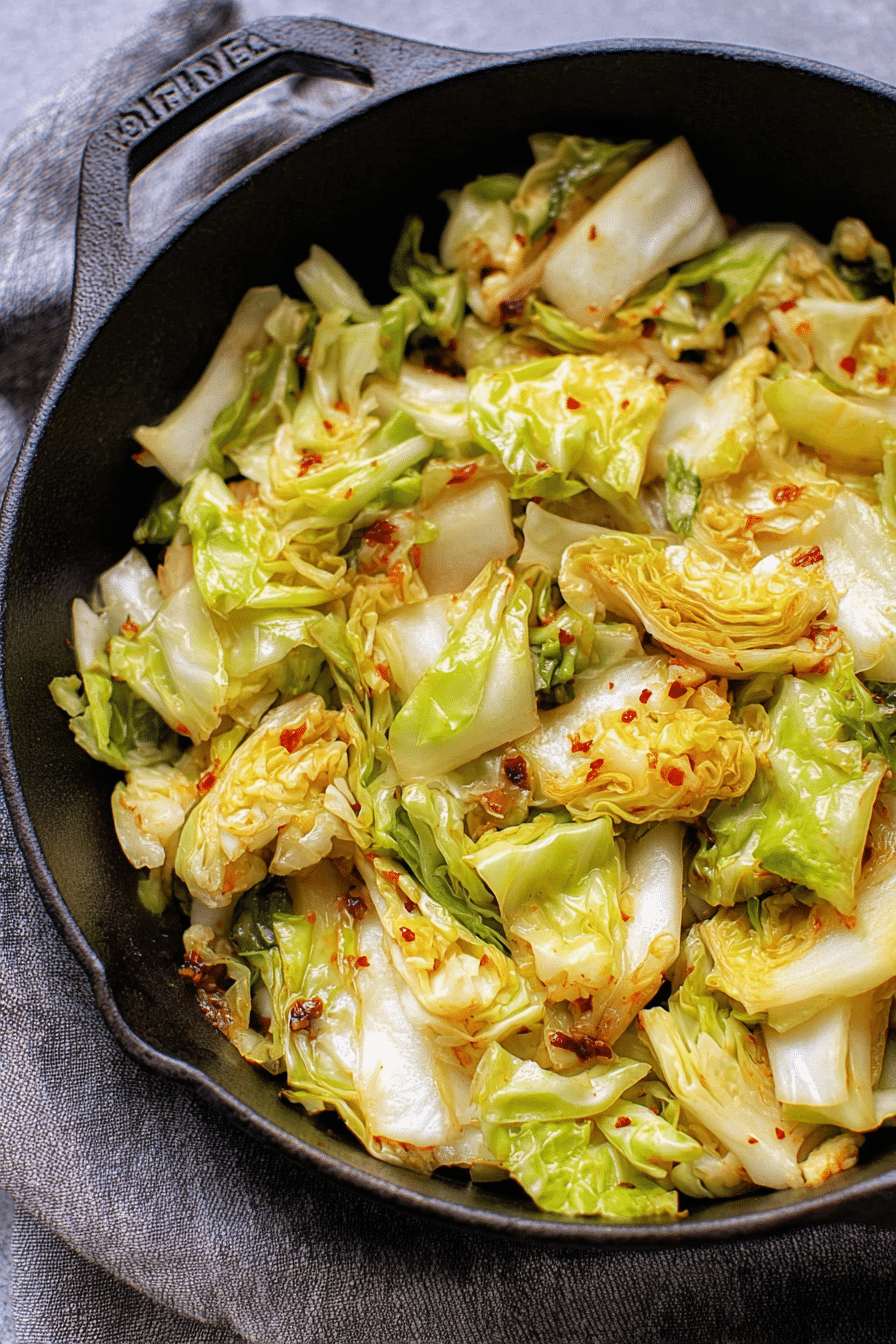
I like how the edges of the cabbage get a little color while the inner leaves stay tender-crisp — you can see the shine from the soy and sesame oil and smell the roasted garlic almost before you taste it. I’ve tested quick tricks here in my kitchen to keep the cabbage from turning limp while still letting it absorb a punch of savory, slightly sweet sauce.
Because it’s so quick, this dish is perfect for busy nights or when you want an easy side that still feels bright and fresh. You can pair it with plain steamed rice, pan-seared tofu, grilled fish, or use it to top bowls and noodle dishes for an instant umami boost.
Why This 10-Minute Japanese Cabbage with Soy Mirin is Ideal for Busy Cooks
This recipe is made for speed and flavor: very short prep, minimal chopping, and a fast toss in one hot pan. The total hands-on time is brief, and the technique focuses on high heat and quick motion so you keep texture and brightness. The result is a fragrant, glossy side that complements many mains.
- Prep + cook in about 16 minutes — ideal for weeknights and quick meal prep.
- Minimal ingredients mean less time gathering and fewer dishes to wash.
- Pairs well with rice, simple proteins, and noodle bowls — try it next to grilled fish, pan-fried tofu, or as a lively side to your favorite Asian mains.
Everything You Need for Japanese Cabbage with Soy Mirin
All the ingredients are straightforward and usually on hand in a well-stocked kitchen. Below I explain the purpose of each and which swaps work if you need them. For broader recipe ideas, try a different cabbage preparation like the cabbage steaks linked below.
- White cabbage – The backbone of the dish; it browns nicely, stays crisp at the core, and soaks up sauces well.
- Olive or neutral oil – Used to get the pan hot and promote quick browning; a neutral oil gives more direct caramelization.
- Garlic – Adds aromatic depth; chop finely so it flavors the oil without burning.
- Soy sauce (or tamari) – Salt and umami; use tamari to make the dish gluten-free.
- Mirin swap (rice vinegar + pinch of sugar) – Adds mild sweetness and acidity when you need a non-alcohol option.
- Sesame oil – A finishing flavor that brings toasted, nutty aroma; add at the end to preserve its scent.
- Optional toppings – Chili crisp for heat and crunch, or chopped chives/green onions for freshness.
Tools you’ll need: a sharp knife, a large skillet (cast iron or stainless works great), and a spatula for quick stirring. If you want visual guidance, I recommend taking photos or video of your first run so you can compare color and texture as you cook.
If you’re looking to explore more cabbage recipes, try our cabbage steaks as a delicious alternative.
The Secret to Perfectly Tender, Not Soggy Cabbage
The key is heat and timing: start hot to wilt edges quickly and create a glossy finish, then lower the heat just enough to let the center soften without collapsing. Salting lightly at the start helps draw out a little water and concentrates flavor — but don’t over-salt or let the pan fill with released liquid.
- Heat the pan until it’s hot but not smoking; add oil and then garlic so the oil carries the aroma.
- Add the cabbage in a single layer if possible, salt lightly, and let it sit for a short moment so the edges brown.
- Stir to turn the cabbage, then finish over medium-high heat so the leaves stay tender-crisp with glossy sauce coating.
- Finish with sesame oil right at the end for shine and aroma; this preserves its toasted character.
For another take on cooking methods that keep cabbage texture, check out our miso butter roasted cabbage wedges which demonstrate how different heat and fat treatments affect the final bite.
Boost Umami in One Pan
Soy sauce and sesame oil are the backbone of the umami here — soy brings salty depth while sesame oil adds a toasted perfume. Balancing salty, sweet, and acidic notes keeps the cabbage lively rather than flat.
- Use soy sauce sparingly to add savory backbone; if you’re gluten-free, choose tamari.
- Add the rice vinegar + sugar mirin swap for brightness and a hint of sweetness that rounds the soy.
- Optional umami boosters: a spoonful of chili crisp for texture and fermented complexity, or a light splash of mushroom sauce for deeper earthiness.
To further enhance the umami flavor in your meals, try our homemade ramen recipe, which showcases rich flavors that complement cabbage perfectly.
Mirin Swap and Other Simple Ingredient Swaps
If you avoid alcohol, rice vinegar with a pinch of sugar gives the sweet-acid note that mirin contributes. The swap keeps the balance of flavors without introducing alcohol-forward tones. Below are straightforward alternatives for common dietary needs.
- Mirin replacement: rice vinegar plus a pinch of sugar — provides acidity and sweetness in one.
- Gluten-free: replace soy sauce with tamari or a certified gluten-free soy alternative.
- Vegan: the recipe is naturally vegan in this format; add mushroom powder or a touch of miso for extra depth if you like.
- Lower-sodium: use a low-sodium soy or dilute regular soy with a little water and adjust finishing salt.
How to Make Japanese Cabbage with Soy Mirin (Step-by-Step)
- Heat a large skillet over high heat until hot; add cooking oil and swirl to coat.
- Add finely chopped garlic and cook for just a few seconds until fragrant — don’t let it brown too much.
- Add shredded cabbage to the pan, season with a small pinch of salt, and let the leaves sit for a short moment to brown at the edges.
- Stir the cabbage and reduce the heat slightly to medium-high; continue cooking while tossing often until it’s tender-crisp (a couple of minutes).
- Pour in soy sauce and the rice vinegar + sugar mirin swap, add sesame oil, toss to combine, and cook for another minute so the sauce clings to the leaves.
- Finish with optional chili crisp and chopped chives or green onions, then serve hot.
I recommend adding step-by-step photos or a short video of your first attempt so you can compare the color and finish to mine — it helps pinpoint whether you need a touch more heat or a bit less time in the pan.
Pro-Tips:
- I like to shred the cabbage thin so it cooks evenly and gets more surface contact for browning.
- Use a wide skillet so the cabbage isn’t overcrowded — overcrowding steams instead of sears.
- Add sesame oil at the very end to preserve its aroma; if you cook it too long it loses its fragrance.
- Make a double batch of shredded cabbage at the start of the week and store it cold for quicker evening cooking.
Troubleshooting (from my kitchen):
- If the cabbage is soggy: your pan was crowded or the heat was too low — reheat the pan and finish over higher heat for a minute to revive texture.
- If the garlic burned: reduce the heat and add the cabbage sooner; burnt garlic tastes bitter and is best avoided.
- If the dish tastes flat: a pinch more acid (rice vinegar) or a splash more soy will balance it; add in very small amounts and taste as you go.
- If the finish lacks shine: a small extra drizzle of oil at the end brings back gloss and helps the sauce cling.
Pro Tip for japanese cabbage with soy mirin: Vegan & Gluten-Free Options
This recipe adapts cleanly for dietary needs. I often swap tamari for soy to keep it gluten-free and fan out different umami add-ins when I want variety. For a bright contrast, serve with a cool, herby dip on the side.
- Gluten-free: use tamari instead of soy sauce.
- Vegan: the base recipe is vegan; add miso or mushroom seasoning for deeper savoriness.
- Make it heartier: toss with pan-fried tofu or roasted mushrooms to turn the side into a main component.
- For a refreshing side pairing, try with our easy homemade tzatziki sauce.
Storing, Reheating, and Make-Ahead Tips
- Storing: cool to room temperature, then store in an airtight container in the refrigerator for up to 3 days.
- Reheating: reheat in a skillet over medium-high heat to help evaporate any excess liquid and refresh the texture; avoid microwaving if possible, it makes cabbage limp.
- Make-ahead: shred cabbage in advance and keep it chilled; add garlic and dressings only when you cook so flavors stay bright.
Frequently Asked Questions
How long does it take to make Japanese Cabbage with Soy Mirin? This delicious dish takes just 10 minutes to prep and 6 minutes to cook, making it perfect for busy cooks!
Can I substitute mirin in this recipe? Absolutely! You can use rice vinegar combined with a pinch of sugar as a mirin replacement.
Is this recipe vegan and gluten-free? Yes! This recipe is naturally vegan, and you can easily make it gluten-free by using tamari instead of soy sauce.
What can I serve with Japanese Cabbage with Soy Mirin? This sautéed cabbage pairs wonderfully with rice, tofu, or as a side to your favorite Asian dishes!
How do I store leftovers? Store any leftovers in an airtight container in the refrigerator for up to 3 days. Reheat in a skillet for the best texture!
Japanese Cabbage with Soy & Mirin
Ingredients
Method
- Heat oil in a large skillet over high heat.
- Add garlic, cook 10–15 seconds.
- Add cabbage, season with a pinch of salt. Let sit 30 seconds.
- Stir, lower to medium-high. Cook for 2 minutes, stirring often.
- Add soy sauce, rice vinegar plus a pinch of sugar, sesame oil. Stir and cook 1 more minute.
- Top with chili crisp and chives, if using.