The Lacto Fermented Salsa Recipe I Make for Gut Health
- Prep
- 10 min
- Total
- 48 min
- Serves
- 20
- Calories
- 7 kcal
- Carbs
- 2.00 g
Introduction
I started fermenting salsa because I wanted a bright, tangy condiment that actually helped my digestion — not just something that tasted good for a night. After several small batches and a few lessons learned about submerging vegetables and salt levels, I landed on a method that consistently produces a crisp, fizzy salsa with lively probiotic tones. I make this when tomatoes are at their peak: the colors pop, the kitchen smells like citrus and garlic, and the salsa adds a fresh lift to everything from eggs to grain bowls.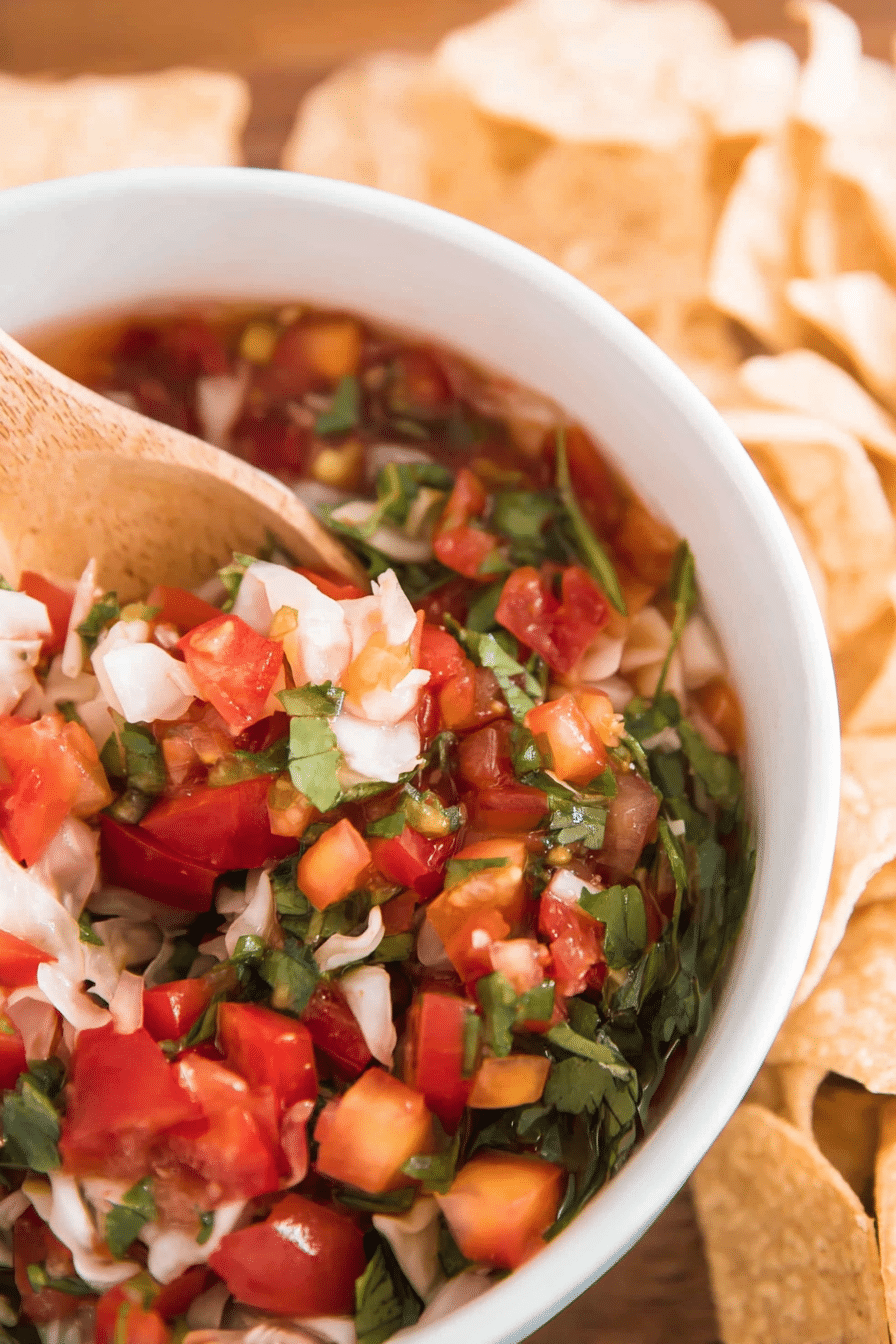
Why This Lacto Fermented Salsa Is Perfect for Gut Health
Fermentation turns fresh vegetables into a tangy, probiotic-rich condiment. The lactic acid bacteria that grow during lacto fermentation can increase microbial diversity in your diet and introduce live cultures that support digestion. When you eat this salsa regularly, you’re adding foods that help maintain a balanced gut environment rather than relying solely on supplements.
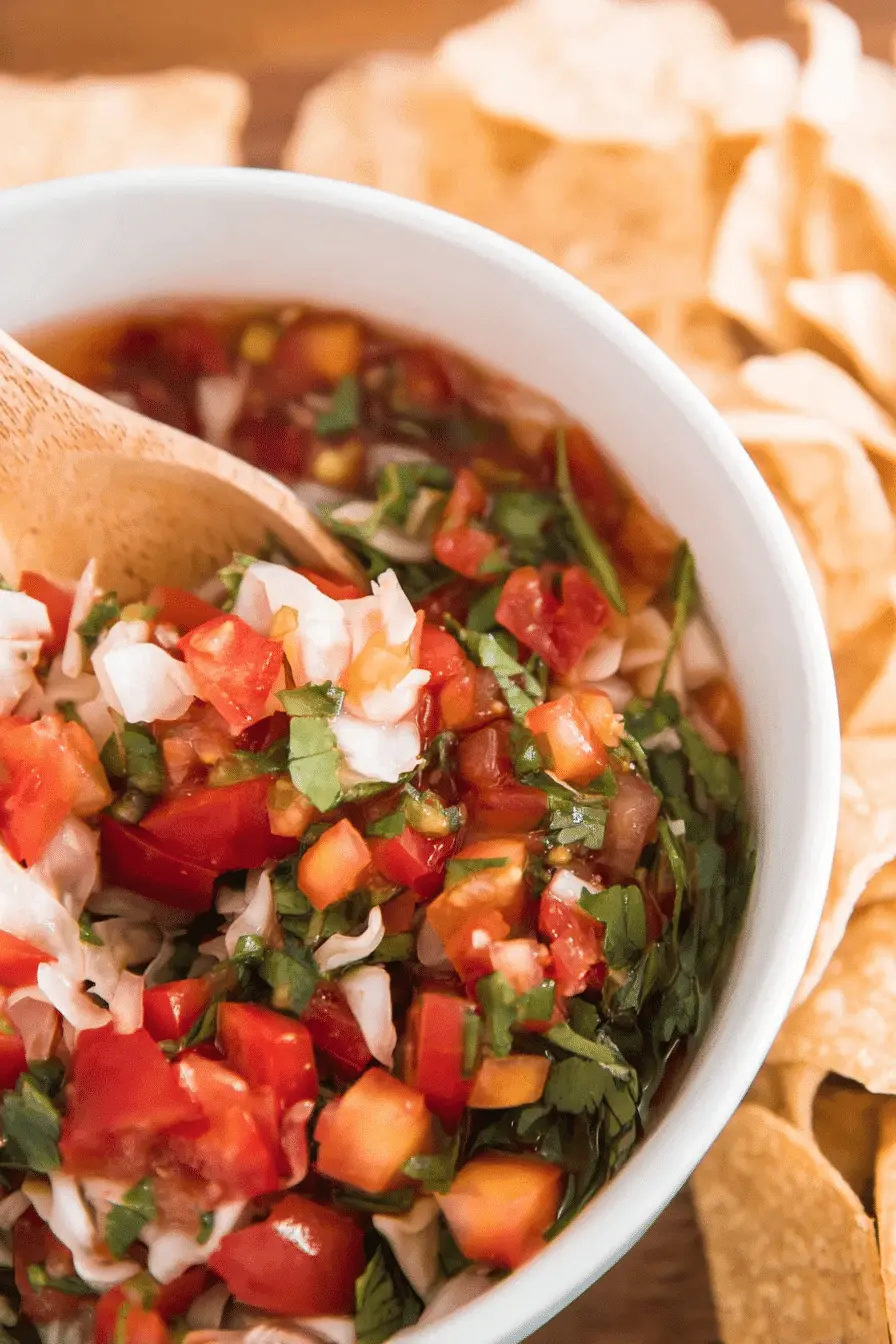
Sensory notes: imagine the bright red of tomatoes, the green flecks of cilantro, and the soft pop of a briny, citrus-accented aroma. The texture remains pleasantly crunchy if you keep the vegetables submerged and don’t over-ferment.
Each ingredient plays a role beyond flavor: tomatoes provide soluble fiber and polyphenols, peppers bring vitamin C and capsaicin, and garlic contains compounds that can influence gut microbes. Combined, they make a lively, health-forward condiment you can reach for daily.
Everything You Need for Lacto Fermented Salsa
Below I list the core ingredients and essential tools I use every time I ferment salsa. Use the freshest produce you can find — it makes a noticeable difference in flavor and texture.
- * Tomatoes – Ripe, juicy tomatoes provide the bulk of the brine and body; choose tomatoes that are flavorful and not mealy.
- * Bell pepper – Adds sweetness and crunch; use any color you like for visual appeal.
- * Onion – Brings aromatic depth and a gentle bite; white or red will both work.
- * Lemon or lime – Acidity brightens the salsa and supports a favorable fermentation environment.
- * Garlic – Contributes flavor and antimicrobial compounds that help shape the microbial community.
- * Jalapeño (or other chiles) – Provides heat and additional antioxidants; remove seeds if you want milder results.
- * Fresh cilantro – Finishing herb that lifts flavor and adds a fresh aroma.
- * Salt – Essential for controlling fermentation and encouraging lactic acid bacteria; use a non-iodized salt for best results.
- * Mason jar with wide mouth – Wide mouths make packing and weighing easier.
- * Fermentation weight or small jar – Keeps the vegetables submerged under brine.
- * Fermentation lid or breathable cover – Lets gas escape while keeping contaminants out.
High-quality ingredients matter: especially for tomatoes and peppers, choose produce that smells fresh and looks vibrant. If you want a different twist, experiment with other fresh salsas while these ferment — a green tomato salsa makes an interesting contrast in flavor and texture.
If you like experimenting with texture and acidity while the jars are active, try pairing this with a fresh pico de gallo: it’s a nice fresh counterpoint to fermented tang.
How Fermentation Boosts Nutrition: What the Science Says
Fermentation is a microbial process that breaks down complex plant tissues and compounds, making certain nutrients more bioavailable. Lactic acid bacteria consume sugars and produce lactic acid, lowering pH and creating a stable environment that preserves the food and reduces harmful microbes.
Research has linked fermented foods to improved gut microbiome diversity and modest benefits for digestion and immune support; lactic acid bacteria can also synthesize B vitamins and increase antioxidant availability in some vegetables. In practical terms, this salsa becomes more than a condiment — it’s a source of live cultures and altered nutrient profiles that can complement a varied, plant-forward diet.
Sensory focus: during active fermentation you may notice light bubbling and a bright, tangy aroma as sugars convert to acids — those are signs that fermentation is progressing well.
Choosing Tomatoes & Peppers: Flavor and Probiotic-Friendly Picks
When selecting tomatoes and peppers for fermentation, think about texture, water content, and flavor intensity. Mealy tomatoes will make a watery salsa, while very firm tomatoes keep more texture. For peppers, sweeter bell varieties balance heat from jalapeños or other chiles.
Varieties to consider: firm paste-style tomatoes for texture, or ripe slicing tomatoes for juicier brine; for peppers, mix a sweet bell with a jalapeño for complexity. Different varieties also bring varying levels of vitamins and polyphenols, which fermentation can highlight by breaking down cell walls and releasing more flavorful and nutritional compounds.
For a different tangent on tomato flavor, experiment with a green tomato salsa to learn how acidity and tannins change during fermentation and to expand your palate for fermented condiments.
The Role of Salt, Temperature, and Time in Lacto Fermentation
Salt, temperature, and time are the three levers you control to steer fermentation safely and flavorfully.
- Salt – Creates an environment that favors lactic acid bacteria while inhibiting spoilage organisms. Use a moderate amount to balance safety and taste.
- Temperature – Fermentation is faster at warmer room temperatures and slower when cool. A steady, moderate room temperature gives predictable results; if your kitchen is very warm, expect faster souring.
- Time – Short fermentations produce a bright, mildly tangy salsa; longer fermentations increase sourness and complexity. Taste daily after the first day to find your preferred balance of tang versus freshness.
Sensory focus: as fermentation progresses you’ll notice a briny, slightly effervescent aroma and a shift from bright tomato sweetness to a pleasant, lactic tang. Keep vegetables submerged to maintain that clean, briny scent rather than off or musty notes.
How to Make Lacto Fermented Salsa (Step-by-Step)
Follow these steps to prepare and ferment the salsa. Be attentive to submerging the vegetables and maintaining cleanliness throughout the process.
- Prepare your produce: Dice the tomatoes so they release juice; chop the pepper, onion, garlic, and jalapeño to similar bite-sized pieces for even fermentation.
- Combine ingredients: Mix the diced tomatoes and chopped vegetables in a bowl; squeeze in some lemon or lime juice for brightness and a supportive acidic edge.
- Add salt and mix well: Salt will pull more juice from the vegetables and begin the brining process. Stir thoroughly until the mixture is uniformly seasoned.
- Pack into a wide-mouth jar: Press the salsa down firmly so liquid rises above the vegetables and fills any air pockets. The goal is full submersion beneath the brine.
- Add a weight: Place a fermentation weight or a small clean jar inside the mouth to hold the vegetables below the brine surface.
- Cover the jar appropriately: Use a fermentation lid or a loose lid that allows gases to escape while keeping insects and dust out.
- Ferment at room temperature: Leave the jar on the counter away from direct sun for 1–2 days, tasting daily after the first day. If your home is warm, the salsa may reach your preferred tang in a single day.
- Monitor and refrigerate: Check that the vegetables remain submerged during fermentation. When the flavor is to your liking, move the jar to the refrigerator to slow fermentation and preserve texture.
If you’re juggling fresh and fermented salsas, pairing this with an authentic pico de gallo can offer bright contrast while you wait for the fermented salsa to develop its full character.
Pro Tip for Lacto Fermented Salsa Recipe: Prevent Mold and Ensure Safety
- I always keep the vegetables fully submerged under brine; exposure to air is the most common path to mold.
- I use a dedicated fermentation weight or a small clean jar as a weight — it’s a simple habit that prevents headaches later.
- If you see white kahm yeast (a harmless, dry-looking film), I remove it with a clean spoon; if you see colored mold (green, black, or fuzzy), I discard the batch.
- I work with clean hands and utensils, and I keep lids and jars scrubbed to reduce stray contaminants.
- I label jars with the start date so I can track timing and replicate successful batches.
How to Store, Serve, and Use Your Fermented Salsa
Store finished salsa in the refrigerator to slow fermentation and preserve texture; it will remain flavorful for several months if handled properly. Keep the jar sealed and always use clean utensils to scoop salsa out so you don’t introduce contaminants.
Serving ideas: try the salsa on scrambled eggs, roasted vegetables, grain bowls, tacos, or as a tangy topping for grilled fish or chicken. It also brightens simple dishes like avocado toast or steamed rice with a spoonful of briny heat.
For condiment rotation, I often keep one jar fermenting and one in the fridge so I always have both fresh and tangy options available.
Low-Sodium, Mild, and Extra-Spicy Variations + Serving Ideas
- Low-sodium option – Use less salt and extend the fermentation time slightly to allow flavors to develop; taste more frequently until you reach desired tang. Pair with milder foods like scrambled eggs or roasted root vegetables.
- Mild version – Remove seeds and membranes from the jalapeño or substitute with a mild pepper; this keeps the flavor bright without strong heat. Serve with chips or alongside grilled corn.
- Extra-spicy version – Add hotter chiles or more jalapeño for a pronounced kick; balance the heat with a touch more citrus when serving. Goes well with grilled meats and rich stews.
- Sweet twist – Add diced mango after primary fermentation for a fruit-salsa hybrid that plays well with fish and tropical-inspired dishes; for a fresh sweet alternative, consider making a mango avocado salsa as a companion.
- Tomatillo/verde alternative – Substitute some tomatoes for tomatillos and adjust chiles for a tangy verde character; if you enjoy a kick, try a spicy tomatillo salsa verde alongside your fermented batch for contrast.
Troubleshooting Common Fermentation Issues
- I taste the salsa early and often — if it’s not tangy enough, give it more time in a cool spot; if it’s too sour, refrigerate immediately to slow the process.
- If the jar develops a foul or rotten smell, I discard the batch; a clean, slightly sour or yeasty aroma is what you want to smell instead.
- If bubbling is excessive (foam rising over the jar), I remove the excess foam, clean the jar rim, and ensure the weight is keeping vegetables submerged.
- If the texture becomes overly soft, I shorten future fermentation times and use a cooler room temperature to retain crunch.
- I keep a simple fermentation log with start dates, temperatures, and tasting notes so I can refine the process and avoid repeated mistakes.
Nutritional Benefits of Each Ingredient
When you eat this salsa, you get more than flavor — each ingredient brings nutrients that support digestion and overall health.
- Tomatoes – Provide vitamin C, potassium, and lycopene, an antioxidant that becomes more available as cell walls break down during fermentation.
- Bell pepper – Rich in vitamin C and carotenoids, peppers add fiber and antioxidants that complement the probiotic benefits of fermentation.
- Onion – Contains prebiotic fibers that feed beneficial bacteria and add sulfur compounds that support gut and immune functions.
- Garlic – Offers antimicrobial and prebiotic properties, contributing compounds that can selectively influence gut microbes.
- Jalapeño/Chiles – Provide capsaicin and additional antioxidants; capsaicin can boost metabolic response and adds flavor complexity.
- Citrus (lemon/lime) – Adds vitamin C and bright acidity, helping preserve the salsa and lift flavors.
- Cilantro – Adds vitamins and trace minerals, plus a fresh aroma that balances lactic tang.
- Salt – While not a nutrient to increase, salt plays a functional role in controlling fermentation and helping preserve vitamins produced or liberated during the process.
Cultural Significance and History of Fermented Salsa
Fermentation has been used around the world as a preservation method long before refrigeration. In many cultures, vegetables and salsas were preserved with salt and natural microbes to provide vibrant flavors and nutrients during off-seasons. Fermented condiments became part of daily meals because they extended shelf life and added layers of flavor that fresh preparations couldn’t.
Over time, salsa styles evolved regionally based on local produce and climate. Fermented salsas reflect that same tradition — a method to take abundant summer tomatoes and chiles and transform them into a tangy pantry staple that lasts through cooler months.
Sensory connection: using fermented salsa links you to those practical, flavorful traditions — a jar of bright, sour salsa on the table is both a preservation achievement and a lively complement to simple, hearty meals.
Frequently Asked Questions
Can I lacto ferment salsa? Absolutely! Lacto fermentation is a great way to preserve salsa while boosting its nutritional value. Just follow safe fermentation practices and your jars will develop a pleasant, probiotic-rich tang.
How long can lacto fermented salsa last? When stored properly in the fridge, lacto fermented salsa can last for 3-4 months. Keep the jar sealed and always use clean utensils when serving.
What should I do if my fermented salsa develops mold? If you see mold, it’s best to discard the salsa. Always ensure that the vegetables are fully submerged under the brine during fermentation to minimize the risk of mold.
Can I adjust the spice level in this salsa recipe? Yes! You can modify the spice level by varying the amount of jalapeño or adding other peppers to suit your taste.
What is the role of salt in lacto fermentation? Salt helps create an environment conducive to beneficial bacteria while inhibiting harmful bacteria. It also enhances flavor, making your salsa taste amazing!
Recipe Card
The Lacto Fermented Salsa Recipe I Make for Gut Health
- Prep
- 10 min
- Total
- 48 min
- Serves
- 20
- Calories
- 7 kcal
- Carbs
- 2.00 g
Ingredients
- 4 smalltomatoes
- 1 mediumbell pepper
- 1/2 mediumwhite onion
- 1/2 fruitlemon or lime
- 1-2 clovesgarlic
- 1 mediumjalapeno
- 1/4 cupchopped fresh cilantro
- 2 teaspoonssalt
Instructions
- 1
Dice tomatoes- try to get as much of the juice in the bowl as possible. If your tomatoes aren't that juicy, you could always add water later.
- 2
Chop remaining vegetables and add to the bowl.
- 3
Squeeze in lemon/lime juice.
- 4
Add 2 tsp salt and mix well.
- 5
Add salsa to a wide mouth mason jar and place weight on top, pushing down well, making sure the vegetables are submerged under the brine.
- 6
Cover jar with fermentation lid or a loose lid. You want the gases to be able to escape without allowing anything in, like gnats.
- 7
Leave on the counter at room temperature for 2 days to allow the good bacteria to take over. If your house is really warm, it may only take one day to ferment.
- 8
Throughout the fermentation process, it is good to check your vegetables and make sure they are still submerged under the brine.
- 9
Once, it is fermented to your liking, enjoy and keep stored place in the fridge for 3-4 months.
You might also like
Reviews
Be the first to review this.