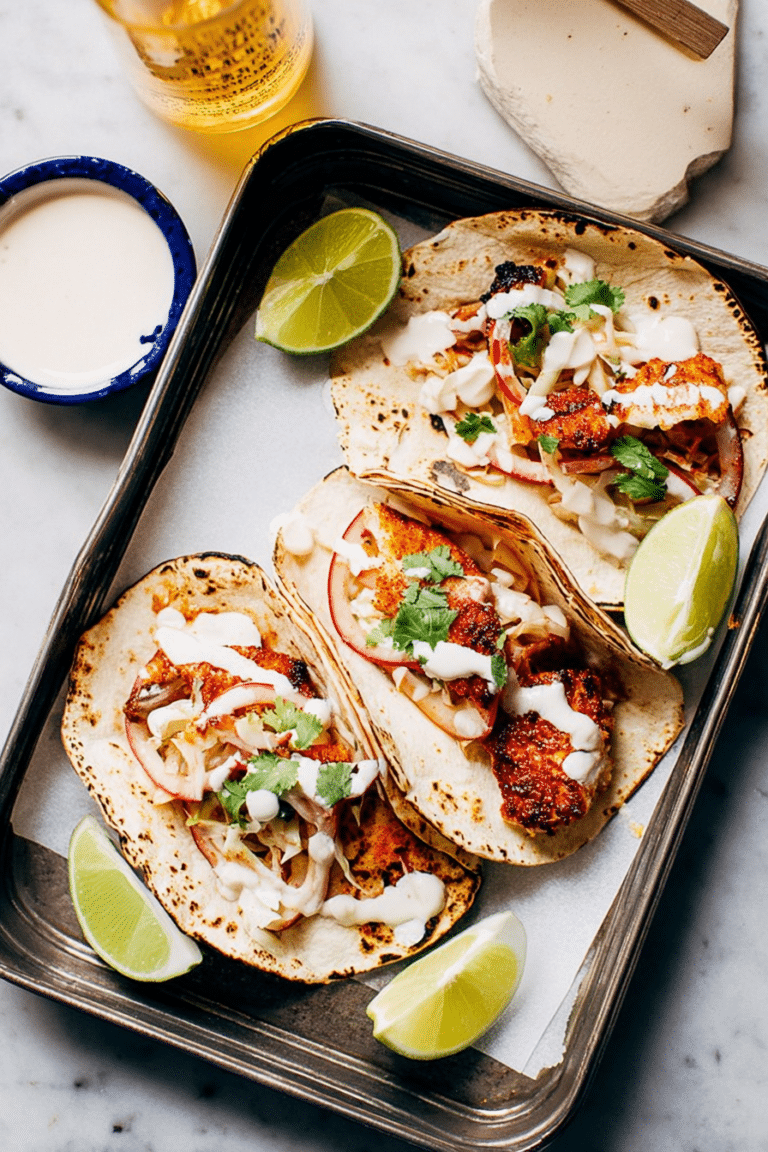


I remember the first time I treated a humble cabbage like a steak: I wanted more than a boiled side, I wanted texture, char, and actual grill personality. After a few experiments in my kitchen and a handful of adjustments on the smoker, I landed on a method that gives each wedge a bronzed, smoky surface and a tender, almost buttery interior. The trick, I found, is treating the cabbage with respect—thicker cuts, a firm core left in place, patient smoke, and a final covered finish.
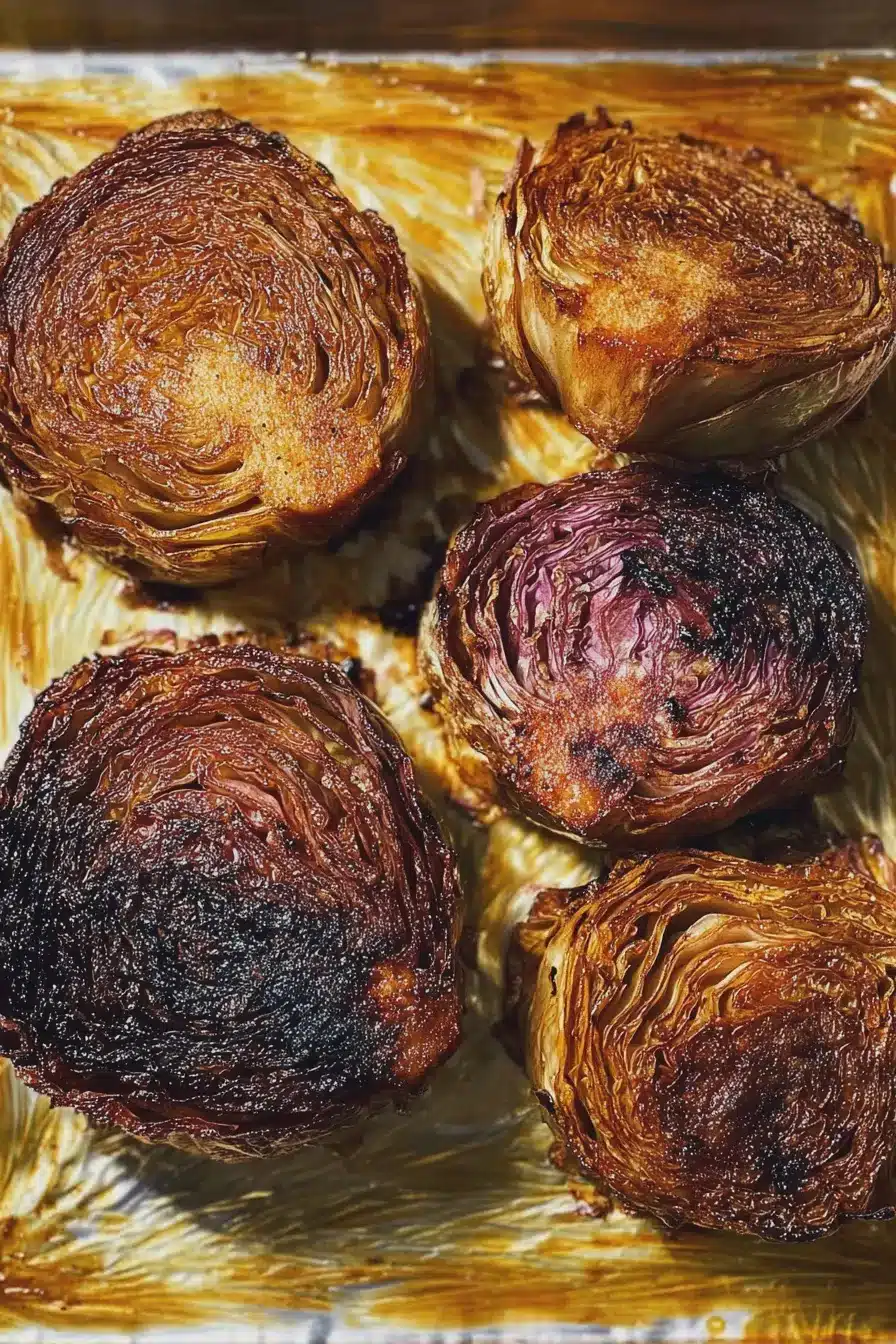
What I love about smoked cabbage steaks is how well the vegetable absorbs oaky flavors while keeping a pleasing bite. The outer layers char and caramelize while the inner leaves steam to a soft, satisfying texture. Nutritionally, cabbage is generous—low in calories and rich in vitamins—so you get a full-flavored plate without feeling like you’ve overindulged.
In my kitchen these steaks have become a reliable centerpiece: they look impressive when served whole, and they hold up on the plate next to a bold sauce or a simple drizzle of acid. Over the years I’ve refined the timing and the seasonings so you can reproduce that bronzed surface and fragrant smoke with consistent results.
Read on and I’ll walk you through what I use, why each choice matters, and how to make smoked cabbage steaks that taste like you spent all afternoon tending a fire—even on a weeknight.
Why Smoked Cabbage Steaks Are a Must for Vegetable Lovers
Cabbage is a vegetal chameleon: it soaks up flavors, browns beautifully, and holds texture in a way many leafy vegetables don’t. When you smoke it, the sugars inside the layers caramelize and the natural sweetness deepens, producing a savory-sweet balance that feels indulgent without heaviness. As you slice into a smoked steak, imagine the contrast—an outer rim that is bronzed and slightly crisp, an interior that yields with a gentle press. That contrast is the whole point for vegetable lovers who want both mouthfeel and flavor.
Beyond taste, smoked cabbage is practical and nourishing. It’s low in calories, high in vitamin C and K, and adds fiber to the plate—qualities I appreciate when I’m planning a meal that needs to feel both satisfying and balanced. Visually, a well-smoked cabbage steak—golden edges, flecks of rub, and a sheen of oil—makes for a striking centerpiece whether you’re serving it as the main attraction or the best side at the table.
Everything You Need for Smoked Cabbage Steaks
Getting consistent results is about choosing the right produce, the right tools, and the right rub. Below I break down the essentials so you can picture how each element contributes to the final dish.
- Ingredient Discussion
- Cabbage (head) – Choose a firm head with tightly packed leaves; denser heads hold together longer under smoke, while lighter heads absorb smoke more quickly. Red and green are both great; red tends to be denser and takes a touch longer to tenderize.
- Olive oil – Used to coat the cut faces; it helps the rub adhere and promotes even browning. You can substitute a neutral oil if you prefer a less fruity note.
- Barbecue rub – A balance of salt, smoked paprika, and a touch of sugar works well; sugar encourages caramelization on the surface. Try variations with cumin or coriander for different profiles.
- Sheet pan and foil – A shallow pan lined with foil keeps the cabbage from sticking and catches any juices; when you cover the pan later, the foil traps steam to finish tenderizing the steaks.
- Smoker or grill – Any smoker works; you’ll want reliable temperature control and a space large enough for the pan. If you don’t have a smoker, a grill set up for indirect heat will work with a small pouch of wood chips for smoke.
- Wood – Choose a mild fruitwood for a sweeter smoke or oak/hickory for a stronger backbone; avoid overpowering woods like mesquite unless you want a very assertive flavor.
If you’re short on time or curious about other methods, you can compare smoky results with quicker techniques—
The Secret to the Perfect Texture
- Cut thick steaks—about the thickness of a large paperback spine—so the outer layers can brown while the inside slowly softens. Thinner slices will collapse or dry out under long smoke.
- Keep a bit of core in each steak; that center acts like a spine and holds the layers together as they steam and separate slightly. I always trim the very hard base only enough to let the cabbage sit flat on the pan.
- Remove only the outermost limp leaves before slicing; removing too many layers robs the steak of structure. Save any trimmings for slaw or stock.
- Smoke until the outer leaves show a deepening bronzed color and the layers are beginning to loosen—this usually takes a couple of hours at moderate heat. After that, cover the pan and allow the trapped steam to collapse and tenderize the interior for another hour or so.
- Rest briefly after removing from heat; the cabbage firms slightly as juices redistribute, which makes for cleaner slices and better mouthfeel.
Why Smoker Temperature and Wood Choice Matter
Temperature control is critical because it determines how much surface caramelization you get before the interior softens. I aim for a steady range that gives smoke time to penetrate without overcooking the exterior.
- Recommended range: maintain a moderate smoker temperature so the cabbage browns without scorching; low-and-slow will maximize smoke uptake, while slightly higher temps speed browning—balance these based on how intense you want the smoke character to be.
- Wood choices: oak offers a clean, steady smoke; hickory gives more savory depth; fruitwoods like apple or cherry lend a sweeter, milder smoke that highlights the cabbage’s natural sugars. I reach for fruitwood when I want a softer profile and oak when serving alongside bold meats.
- Smoker type adjustments: on an electric smoker you’ll get steady, consistent smoke—set and forget with occasional checks. On a charcoal smoker you’ll manage vents and fuel more actively to keep a steady temp; on a gas grill use a small smoker box or wood pouch for chips and monitor closely.
For contrast and inspiration around roasted vegetable umami, see a complementary approach in roasted cabbage with miso that plays with similar savory notes: Understanding different cooking methods is key; explore the umami flavors of roasted cabbage with miso butter for inspiration.
Best Seasonings and Flavor Pairings for Smoked Cabbage
Smoked cabbage is forgiving with seasonings—you can lean sweet, savory, or spicy and it will respond well. The key is to balance the rub with an acidic or bright finishing element to cut through the smoke and fat.
- Sweet-savory rub: smoked paprika, brown sugar, and salt create a caramelized crust that plays up the cabbage’s sugars.
- Spicy option: add cayenne or ground chipotle for warmth; finish with a squeeze of citrus to balance heat.
- Mediterranean twist: a blend of za’atar or sumac with a lemony vinaigrette brightens the smoky base and introduces herbaceous notes.
- Sauces & dips: a creamy chimichurri, mustard-yogurt sauce, or a vinegar-forward barbecue sauce all pair beautifully—acid and fat are your friends here.
- Balance tips: if your rub is sweet, finish with acid (lemon, vinegar) and a sprinkle of fresh herbs; if it’s savory or spicy, a touch of honey or fruit jam can heighten the caramelization and add complexity.
For another oven-forward take that highlights mustard-forward flavors, try this as a reference: For another great way to enjoy cabbage, try our flavorful oven-baked cabbage recipe.
How to Make Smoked Cabbage Steaks (Step-by-Step)
- If you want extra background on cutting and presenting cabbage steaks, check this guide: If you’re intrigued by smoked cabbage steaks, check out our guide on cabbage steaks for more delicious preparation ideas.
- Prepare your pan: line a shallow sheet pan with foil and brush the surface with oil so the steaks won’t stick and the rub adheres evenly.
- Trim and slice the cabbage into thick steaks, keeping a bit of core in each for structure. Save trimmings for slaw or stock.
- Brush the cut faces with oil and season the exposed surfaces generously with your chosen rub, pressing it gently so it forms a coherent crust.
- Place the steaks on the prepared pan and position them in the smoker where they’ll receive even heat and good smoke flow—avoid the direct path of the smoke stream to prevent burning.
- Smoke at a steady, moderate temperature until the outer leaves brown and the layers begin to separate; monitor smoke and temperature rather than relying on exact times alone.
- When the surface is browned and you can see the leaf layers loosening, cover the pan tightly with foil to trap steam and finish tenderizing—this step completes the interior softening without stripping the smoked surface.
- After the covered finish, remove the foil, let the steaks rest briefly, then serve whole or cut into wedges. Finish with acid, chopped herbs, or a drizzle of sauce as desired.
Pro Tip for smoked cabbage steaks: Finish Covered to Tenderize and Lock Flavor
- I always cover the pan once the surface is bronzed—trapping steam softens the inner leaves without leaching out the smoky oil and rub flavors.
- Timing guideline: cover once the layers separate and surface browning is obvious; a covered finish of roughly an hour usually yields tender results depending on cabbage density.
- Balance moisture: tent the foil first if you want a little more surface crisp; seal tightly when you need faster, deeper tenderization.
- Flavor retention: covering concentrates aroma and allows the cabbage to reabsorb its own seasoned juices, intensifying the finished flavor.
How to Store, Reheat, and Repurpose Smoked Cabbage Steaks
- Storage – Cool completely, then store in an airtight container in the refrigerator for up to four days to maintain flavor and texture.
- Reheat – Reheat gently in a moderate oven or on a grill to restore the surface texture; avoid the microwave if you want to preserve caramelization.
- Repurpose ideas – Slice into ribbons for a smoky slaw; chop and fold into tacos with bright salsa; add to soups or grain bowls for depth; layer into sandwiches with pickles and a creamy spread.
- Creative uses – Use chopped smoked cabbage as a topping for pizza with a sharp cheese, or toss with warm grains and a citrus vinaigrette for a robust salad.
Troubleshooting
- I sometimes see the edges scorch before the interior softens—if that happens, move the pan away from the hottest part of the smoker and lower the heat slightly.
- If the cabbage never seems to get tender, it may be a very dense head; give it more time under the covered finish or slice slightly thinner next time.
- Too little smoke flavor? Increase your wood volume or use a stronger wood for part of the cook, but watch for bitterness if you over-smoke at high heat.
- If the surface is pale, check that the oil and sugar in the rub are present—both help with browning. A light brush of additional oil before smoking can help too.
Variations
- Sweet-smoky: use applewood and a sugar-forward rub; finish with a drizzle of warmed honey and lemon zest.
- Spicy-charred: add chipotle or cayenne to the rub and finish with a lime crema for contrast.
- Miso-umami: rub with a light glaze of miso-thinned with oil before smoking, then finish with sesame and scallion.
- Herb-forward: use a za’atar or herb blend and finish with a bright parsley-garlic vinaigrette for a Mediterranean spin.
Frequently Asked Questions
Is smoked cabbage healthy to eat?
Absolutely! Smoked cabbage is low in calories and high in essential vitamins like C and K. It’s suitable for various diets, including vegetarian and keto, and can support heart health and digestion.
What does smoked cabbage taste like?
Smoked cabbage has a uniquely sweet and mild smoky flavor. The caramelization process adds depth to its taste, resulting in a tender texture that’s not soggy, making it a delightful side dish for any meal.
How long do I smoke cabbage steaks?
You should smoke cabbage steaks for about two to three hours at a temperature of 275–300 degrees. The exact time may vary based on your smoker and the density of the cabbage.
Can I use different types of wood for smoking?
Yes! Different types of wood will give your smoked cabbage steaks distinct flavors. Popular choices are oak, hickory, or applewood, each adding a unique twist to the dish.
How should I store leftover smoked cabbage steaks?
Store leftovers in an airtight container in the refrigerator for up to four days. You can easily reheat them in the oven or on a grill for a delicious meal later on!
Smoked Cabbage Steaks
Ingredients
Method
- Prepare a shallow sheet pan for the smoker—use a disposable one, or cover one from your kitchen in foil. Brush the foil with about one third of the olive oil.
- Wash the cabbage and remove just the outer leaves. If necessary, trim the hard stem to flatten the base of cabbage. Set the cabbage on its base (core side down) and cut the rounded edges off the sides. Save the raw cabbage for a future dish (maybe slaw). From what remains, cut the head of cabbage into steaks, each about an inch and a half thick, retaining a bit of the core in each. Transfer the steaks to the prepared shallow pan.
- Drizzle remaining olive oil over the cabbage, and coat the surface with your favorite barbecue rub. Season generously.
- Smoke the cabbage steaks for two to three hours at 275–300 degrees. Once the layers start to separate and the outer leaves have gotten tender, cover the whole pan tightly with foil to finish cooking.
- The covered cabbage steaks should be tender after about an hour. Serve them whole as a main course, or cut into wedges to share as a side.