Poolside RecipeBreakfast
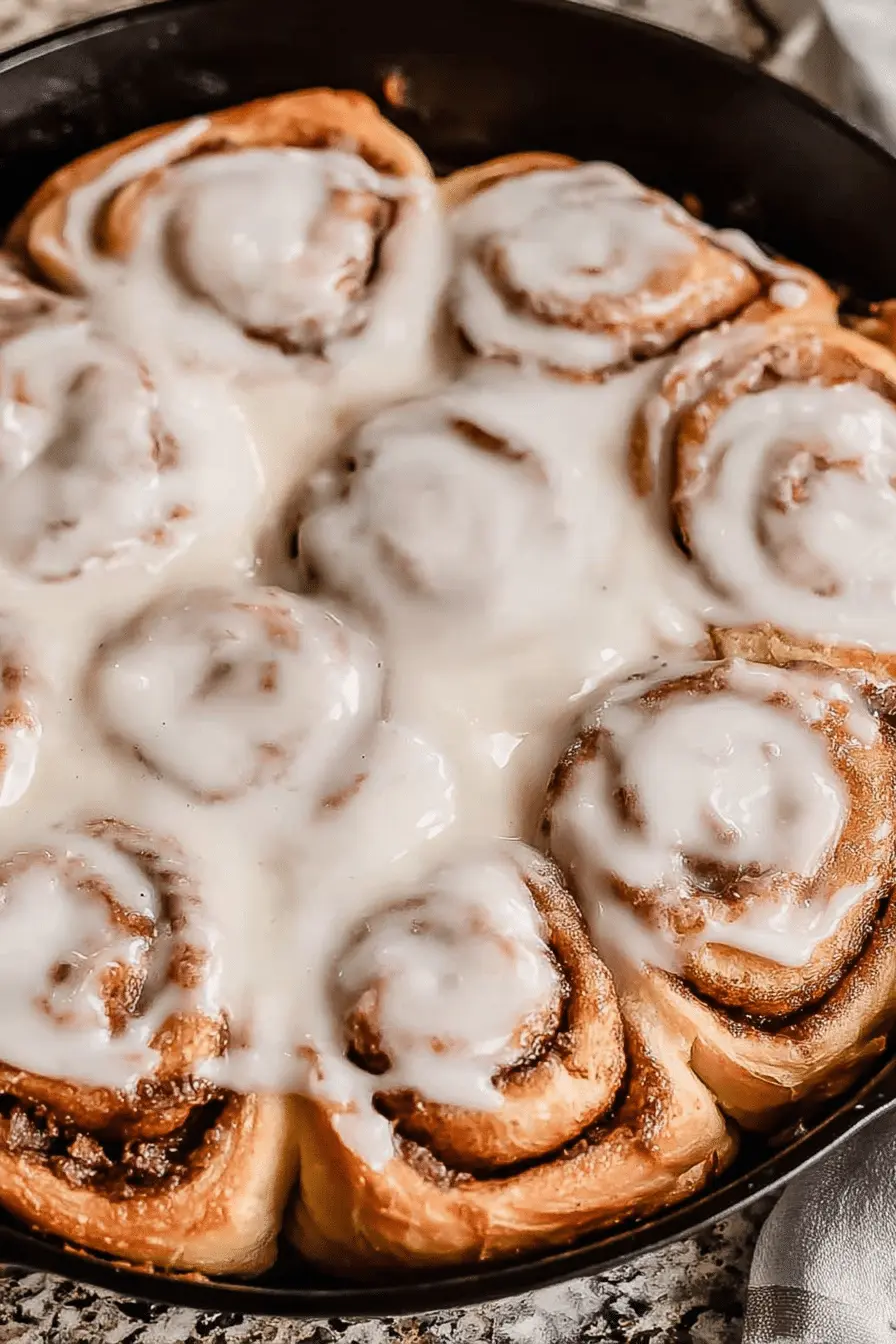
Perfect Fluffy Sourdough Cinnamon Rolls – A Cozy Morning Treat
- Prep
- 720 min
- Cook
- 35 min
- Total
- 755 min
- Serves
- 12
- Calories
- 334 kcal
- Carbs
- 51.00 g
Introduction
I first made these sourdough cinnamon rolls on a slow Saturday when my starter was bubbly and I had a jar of leftover buttermilk in the fridge. The idea was simple: use discard, keep the process hands-off overnight, and end up with warm, pillowy rolls that smell like a bakery. What sets sourdough cinnamon rolls apart from the classic commercial versions is that gentle tang from the starter — it cuts the sweetness and adds depth. The texture is different too: a little more complex, with subtle chew and a tender crumb that comes from the long, cool rest.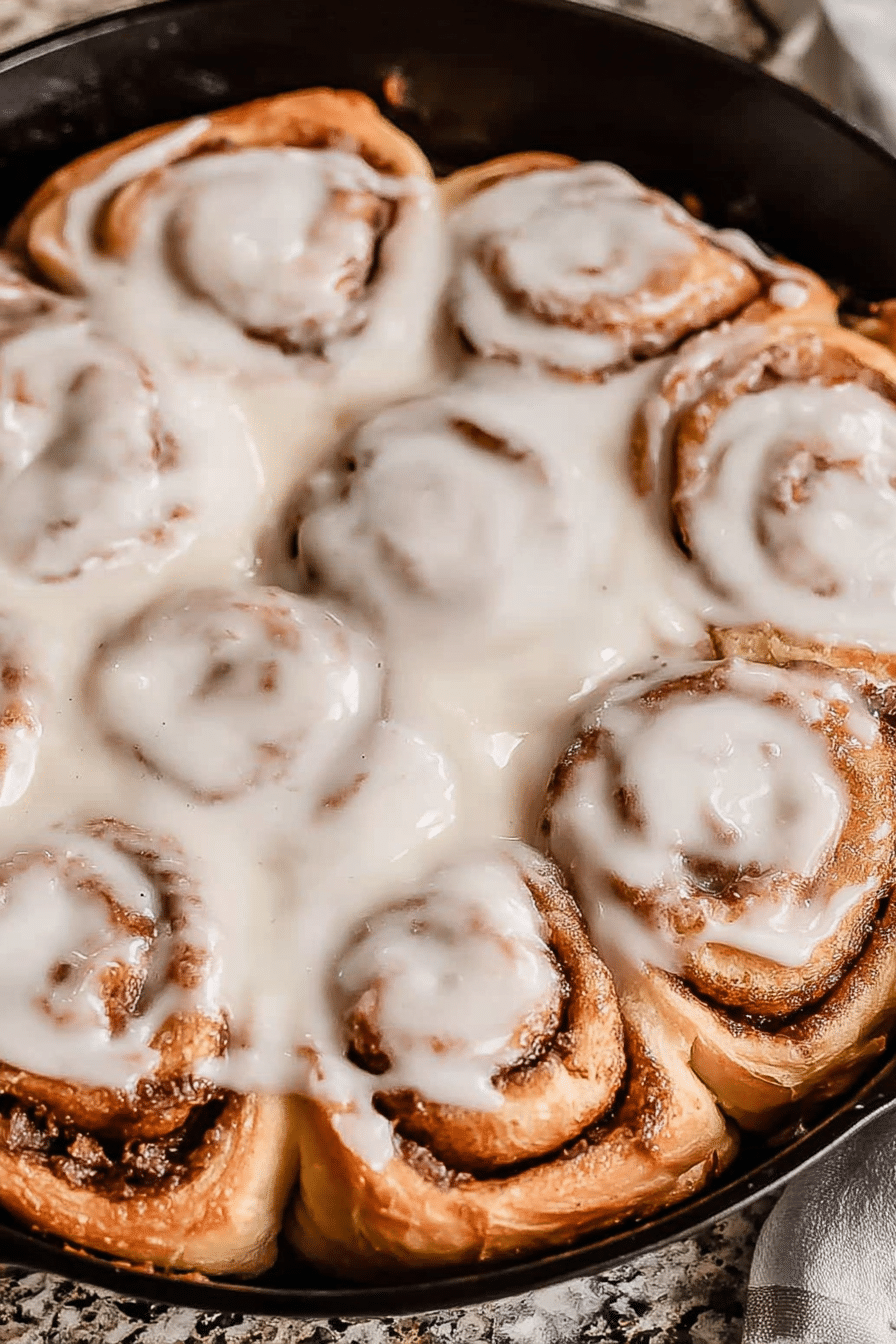
Ingredients You'll Need
Below I break the ingredients into conversational bullets so you understand what each component does and which swaps are safe, followed by the exact ingredient list for the recipe so you can prep everything before you start.- All-purpose flour – sturdy base for the dough; you can use bread flour for more chew or a gluten-free blend if needed.
- Cold butter – grated into the flour to create pockets of fat that yield a tender, layered crumb.
- Sourdough starter (discard) – gives the rolls subtle tang and depth; must be active and bubbly if you want the best lift.
- Buttermilk – adds acidity and tenderness; you can substitute milk with a teaspoon of vinegar if you're out.
- Brown sugar – the core of the filling, provides moisture and that molasses warmth.
- Cinnamon – choose a fresh, aromatic variety; it’s the main flavor so quality matters.
- Baking powder & baking soda – reserved until the end to give a final lift right before rolling.
- Honey or sugar – a touch in the dough to feed the starter and balance the tang.
- Salt – small but essential; brings out the sweetness and balances flavor.
- Powdered sugar & vanilla – for the glaze, they make a simple, pourable finish that melts into the warm rolls.
- Cold butter – 8 tablespoons, grated
- All-purpose flour – 2 1/2 cups
- Sourdough starter (discard) – 1/3 cup, active or discard works
- Buttermilk – 1 cup
- Honey or granulated sugar – 1 tablespoon plus 1 teaspoon
- Fine sea salt – 3/4 teaspoon
- Baking powder – 1 teaspoon (reserved for final mix)
- Baking soda – 1/2 teaspoon (reserved for final mix)
- Light brown sugar – 3/4 cup (for filling)
- Ground cinnamon – 2 teaspoons (for filling)
- Melted butter – 4 tablespoons to brush over the dough before rolling
- Extra melted butter – 1 tablespoon (for the pan or additional brushing)
- Powdered sugar – 1 cup (for glaze)
- Vanilla extract – 1 teaspoon
- Milk – 2 tablespoons (for glaze; adjust to desired consistency)
Step-by-Step Instructions
- Mix the dough: Start by grating cold butter into a mixing bowl and stir in the flour so the butter is evenly distributed. I like to use a bench scraper or a pastry cutter — you should see small pea-sized butter pieces in the flour. Those pieces melt in the oven and create little soft pockets in the roll. Next add the sourdough starter discard, buttermilk, honey (or sugar), and salt. Mix with a spatula until everything comes together into a shaggy dough. It will look wet and slightly sticky; that's okay. Cover and let rest on the counter for 10–12 hours (overnight). Do not add the baking powder or baking soda at this stage — those are reserved for right before rolling so the leavening is active during bake time. Kitchen note: I always make this the night before. In the morning the dough is puffy and has tiny bubbles at the surface. If your kitchen is very warm, check at 8–10 hours; if cool, it might need the full 12.
- Make the filling and glaze: Combine the brown sugar and cinnamon in a small bowl and set aside. For the glaze, whisk powdered sugar with vanilla and milk until smooth; the glaze should be thick but pourable. I often start with 1 tablespoon of milk and add more if needed. Preheat the oven to 375°F (190°C) and butter a 12-inch cast iron skillet (or a 9x13 pan). The skillet helps the rolls brown on the outside while keeping the insides soft.
- Add leavening agents: In a small bowl, mix the baking powder and baking soda until there are no lumps. Sprinkle this mixture over your rested dough and fold it in by hand. This gives a last-minute lift to the dough that’s especially helpful since we didn’t do a second active rise. Technique tip: Don’t overwork the dough here. Just fold enough to distribute the leavening. Overmixing can develop too much gluten and make the rolls tougher.
- Roll out the dough: Flour your work surface generously and turn the dough out. Flour the top lightly and roll into a 12 x 24-inch rectangle. The dough should be cooperative — if it springs back a lot, let it rest 5–10 minutes then continue rolling. Brush the surface with the melted butter, then evenly sprinkle the cinnamon sugar, leaving about a half-inch border along the edges so filling doesn’t leak out while rolling.
- Shape and cut the rolls: Starting from the long side, roll the dough tightly into a log. Use a sharp bench scraper or a serrated knife to cut the log into 12 pieces, roughly 1.5 inches each. I dip the bench scraper in flour and press straight down — this prevents squashing the roll and keeps clean edges. Place the rolls in the prepared cast iron skillet with a little space between them for expansion. If you like swirls that are visible, make even cuts and keep the rolls upright.
- Bake: Bake the cinnamon rolls for 35–40 minutes or until the tops are golden brown and an inserted skewer comes out cleanish (watch for gooey pockets near the center; they should be set but still soft). Ovens vary: if the tops brown too quickly, tent loosely with foil in the last 10 minutes. When the rolls are out, immediately drizzle or spread the glaze while they're hot so it melts and crowns the swirls. The contrast of warm, slightly tangy dough and sweet glaze is what I live for.
- Freezing or storing: If you want to freeze, shape the rolls in a round disposable tin lined with parchment, wrap tightly with plastic and foil, and freeze up to 3 months. To bake from frozen, preheat to 350°F (176°C) and bake uncovered for 40–45 minutes without thawing. Baked leftover rolls keep in an airtight container for 2–3 days at room temperature and up to a week in the fridge.
Tips for Perfect Rolls
Small changes make a big difference with sourdough. Here are the practical tips I rely on every time:- Feed your sourdough starter 4–8 hours before you mix if you want the most active discard; it should be bubbly and mildly tangy when you use it.
- Grating cold butter helps evenly distribute fat without warming it up — that’s what gives the rolls a tender, layered texture.
- Don’t skip reserving the baking powder and baking soda until after the overnight rest. Early addition reduces their effectiveness and can leave the rolls flat.
- Flour your surface plenty when rolling; a sticky surface makes uneven swirls and tears the dough.
- If your oven browns too quickly on top, lower the rack and tent the pan with foil — this lets the center finish cooking without over-browning.
- For a refreshing side, consider pairing your rolls with a drizzle of tzatziki sauce to balance the flavors.
Variations and Toppings
Once you’ve got the basic method down, these swaps and add-ins keep the rolls interesting:- Add chopped toasted pecans or walnuts to the cinnamon sugar for crunch.
- Fold in chocolate chips with the sugar for a chocolate-cinnamon twist.
- Swap the brown sugar for maple sugar and top with a maple glaze for autumn breakfasts.
- For a fruit-forward version, scatter finely chopped apples or pears over the butter before adding the sugar (pat the fruit dry first).
- For a vegan option, use plant-based butter and a non-dairy milk for the glaze; the tang of the sourdough still comes through beautifully.
- Try experimenting with fillings similar to our cinnamon donut bread for a delightful twist on your rolls.
Troubleshooting Common Issues
Even experienced bakers hit snags. Here’s how to fix common problems:- Dough too sticky: Sprinkle a tablespoon of flour at a time while you handle it, but stop early — too much flour gives dry, dense rolls.
- Rolls not rising enough: Make sure your starter was active. If you used cold starter discard, allow a little extra room-temperature proof first or add a teaspoon of yeast if you need a reliable lift.
- Tight, small swirls: If your dough resists rolling, let it rest 5–10 minutes to relax the gluten and try again.
- Tops burn before center bakes: Lower the oven rack, reduce the temperature by 15–25°F, or tent with foil toward the end of baking.
- Gummy or raw centers: Bake a few minutes longer; internal centers can take longer in deeper pans. Use a small skewer to check doneness near the center.
- If your rolls don’t turn out as expected, delve into baking with confidence by checking out our guide on making chocolate chip cookies.
Storing and Freezing Tips
Storage makes these rolls practical for mornings. Here’s how I keep them tasting fresh:- Room temp: Store baked rolls in an airtight container for up to 2–3 days. The glaze will make the tops soft — that’s normal.
- Refrigeration: Keep for up to a week; reheat in a 300°F oven covered with foil for 10–12 minutes to revive softness.
- Freezing unbaked: Shape the rolls in a tray, freeze until firm, then transfer to a sealed bag. Bake from frozen at 350°F for 40–45 minutes.
- Freezing baked: Wrap cooled rolls individually and freeze up to 3 months. Thaw at room temperature and rewarm in the oven or microwave.
- Reheating: For one or two rolls, microwave for 20–30 seconds and then finish in a toaster oven for a minute to restore slight crisp on the top. For a whole pan, 300°F for 12–15 minutes covered with foil works well.
Nutritional Information
Approximate nutrition per roll (based on the recipe as written):- Calories – 334 kcal
- Fat – 13 g
- Carbohydrates – 51 g
- Protein – 4 g
Conclusion
These sourdough cinnamon rolls are the kind of recipe that rewards patience. The overnight rest develops flavor without fuss in the morning, and the simple technique — grate cold butter, reserve leavening, roll tight — gives surprisingly consistent results. I make them when I want a cozy weekend treat or to impress friends without a long to-do list. Expect tender, slightly tangy rolls with gooey cinnamon-sugar swirls and a hit of sweet glaze. For more sweet treats to enjoy, don’t miss our Irish cream poured cake recipe that’s perfect for sharing!FAQ
- Can I use gluten-free flour for this recipe? Yes, you can substitute gluten-free flour for all-purpose flour. Just ensure to use a blend that works well for baking to achieve the right texture.
- How do I know if my sourdough starter is active enough? Your sourdough starter should be bubbly and have risen at least double its size after feeding. Perform the 'float test' by dropping a small spoonful in water; if it floats, it's ready to use!
- What should I do if my dough is too sticky? If your dough is too sticky, try adding a little more flour gradually until it reaches a manageable consistency. Just be careful not to add too much, or you may affect the rolls' texture.
- Can I make these cinnamon rolls ahead of time? Absolutely! You can prepare the dough the night before and let it rise in the fridge so that it's ready to roll and bake the next morning.
- What are some good toppings or variations for sourdough cinnamon rolls? You can try fillings like chocolate chips, nuts, or fruits. For icing, cream cheese glaze or maple icing are great options. Get creative with seasonal flavors!
Recipe Card
Perfect Fluffy Sourdough Cinnamon Rolls – A Cozy Morning Treat
- Prep
- 720 min
- Cook
- 35 min
- Total
- 755 min
- Serves
- 12
- Calories
- 334 kcal
- Carbs
- 51.00 g
Ingredients
- 8 tablespoonscold butter
- 2.5 cupsall-purpose flour
- 1 cupbuttermilk
- 1.33 cupsourdough starter discard
- 1 tablespoonhoney or granulated sugar
- 0.75 teaspoonfine sea salt
- 0.5 teaspoonbaking soda
- 0.75 teaspoonbaking powder
- 0.75 cuplight brown sugar
- 2 teaspoonsground cinnamon
- 4 tablespoonsmelted butter
- 1 cuppowdered sugar
- 1 teaspoonvanilla extract
- 2 tablespoonsmilk
Instructions
- 1
Grate the cold butter into a bowl, mix with flour. Add sourdough starter discard, buttermilk, honey, and salt. Let rest for 10-12 hours.
- 2
Prepare the cinnamon sugar filling and glaze. Preheat oven to 375°F (190°C) and prepare skillet.
- 3
Mix baking powder and baking soda, sprinkle over dough, and mix in.
- 4
Roll dough into a 12 x 24-inch rectangle, add filling, and cut into rolls.
- 5
Bake for 35-40 minutes until golden brown. Glaze while hot.
You might also like


Reviews
Be the first to review this.