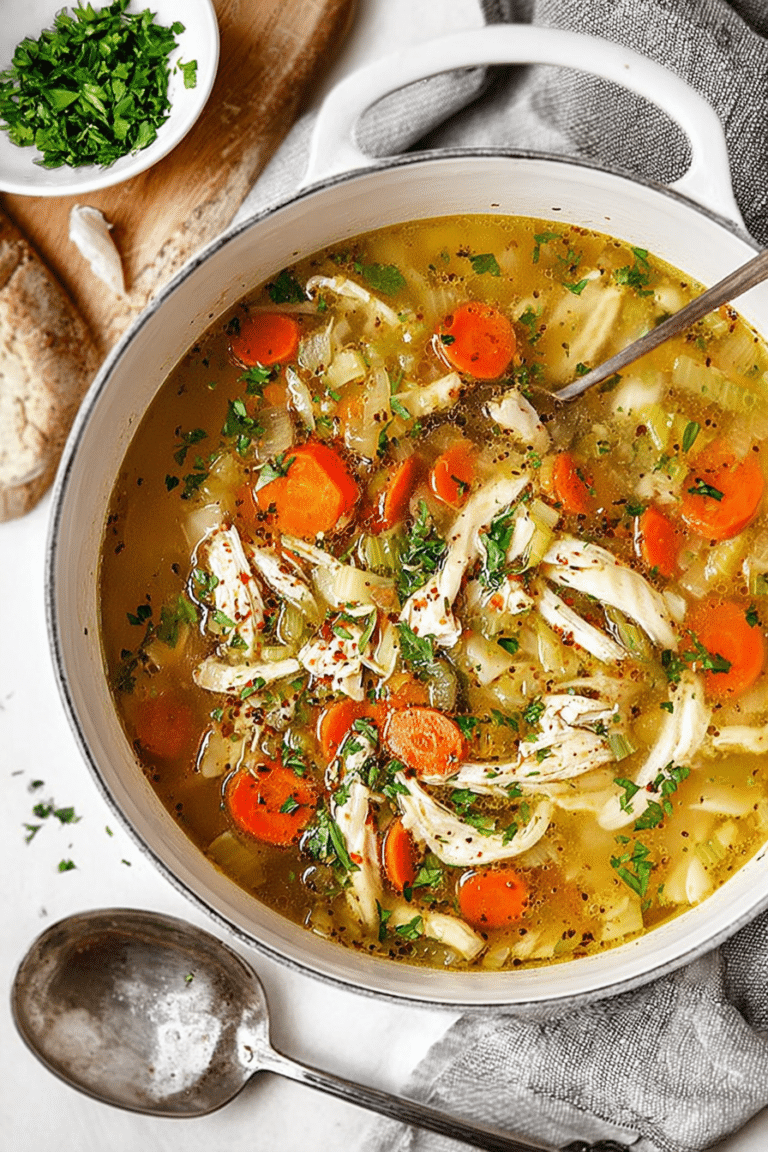


I first started making this spring vegetable soup in the middle of a week when my schedule was stacked and the fridge still held a handful of mismatched produce. What stuck with me was how quickly it came together, how clean the pot looked after dinner, and how the bright finish of lemon and dill made everyone at the table ask for seconds. It’s become my go-to when I want something that feels fresh but doesn’t demand a lot of babysitting.
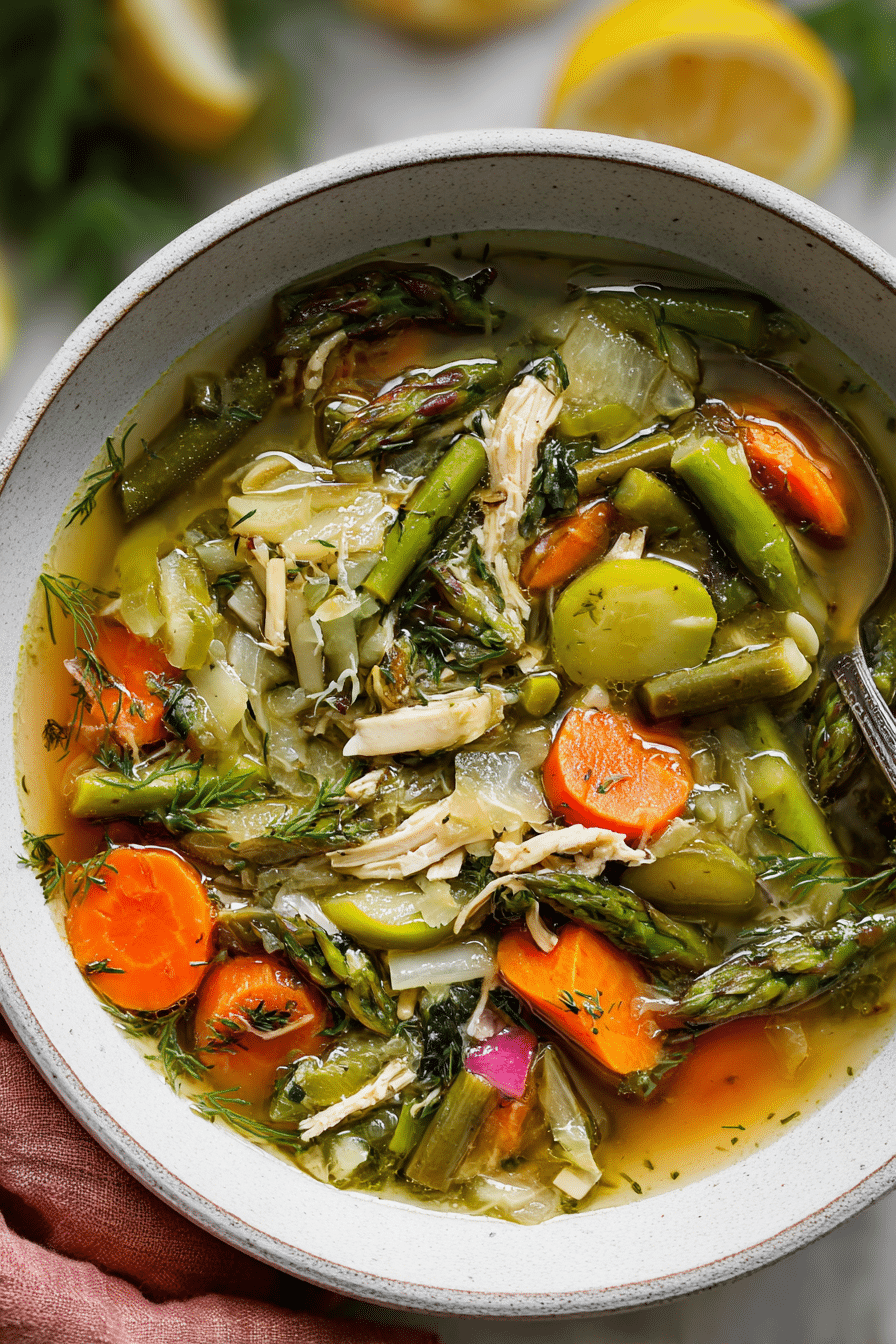
In my kitchen this soup always smells like green springtime: garlic browning in oil, a little Italian seasoning warming, and then the fresh brightness of dill and lemon right at the end. I like that it balances cozy warmth (the orzo gives a hint of creaminess) with crisp-tender vegetables so the bowl feels lively rather than heavy.
Because it’s one pot and takes under an hour from start to finish, I often double it for leftovers or pack single-serve containers for quick lunches. I’ll walk you through the ingredients I rely on, the stage-by-stage cooking that keeps the veggies vibrant, my favorite protein swaps, and the storage tricks that make this a weeknight winner.
Why This Spring Vegetable Soup Is Perfect for Busy Weeknights
This recipe is built around speed and simplicity without sacrificing freshness. The total time is under an hour, which means you can get dinner on the table after work, practice, or errands. I love it because it’s one-pot—fewer dishes and less fuss—and it highlights seasonal spring vegetables that add color, texture, and nutrients.
Sensory note: as you sauté the onion and garlic, the kitchen fills with a warm, savory base; when you add the fresh dill and lemon at the end, the aroma changes to bright and herbal. That contrast—warm savory base versus fresh finishes—keeps the bowl interesting and comforting.
Everything You Need for Spring Vegetable Soup
Below I talk through the main players and simple substitutions so you can swap based on what’s in your fridge. I’m focusing on purpose and options rather than exact measures so you can adapt freely.
- Olive oil – The flavorful cook fat for the aromatics and a gentle sheen on the vegetables.
- Yellow onion – Builds savory depth when softened; any mild onion will do.
- Garlic – Aromatic backbone that lifts the broth.
- Carrots – Add natural sweetness and color; roasted carrots are also a lovely variation.
- Asparagus – Pure spring flavor; trim woody ends before cooking.
- Snap peas – Tender-crisp sweetness; add late in the cook for texture.
- Leek – Brings a subtle, oniony sweetness and silky texture when rinsed well.
- Italian seasoning – A quick herb mix that complements dill and lemon without stealing the show.
- Vegetable broth – The liquid body of the soup; choose low-sodium if you want control over salt.
- Orzo – Small pasta that soaks up broth and creates a rounded mouthfeel.
- Swiss chard – Adds leafy green bulk and mild bitterness that plays well with lemon.
- Protein (shredded chicken) – Quick, tender protein; swap with beans or tofu if you prefer plant-based.
- Fresh dill – The bright, herbaceous finish that screams spring.
- Lemon juice – Adds acidity to balance richness and amplify the vegetables.
- Salt + pepper – Essential seasonings to taste.
If you want to lean into seasonal oddities, artichoke hearts or fava beans make excellent additions for extra texture and interest. For a creamy single-vegetable take, try a
If you’re looking for more spring flavors, try our Cream of Asparagus Soup, which showcases the freshness of seasonal vegetables.
How to Make Spring Vegetable Soup (Step-by-Step)
Follow these staged steps so each vegetable spends the right amount of time in the pot. I use second-person guidance so you can follow along easily in your own kitchen.
- Heat oil in a large, deep pot over medium-high heat; add the chopped onion and minced garlic and cook until softened and fragrant so the base smells warm and savory.
- Add the heartier vegetables next—carrots, leeks, and any hardy stems—along with the Italian seasoning and a pinch of salt and pepper; sauté briefly so the edges begin to soften and the herbs bloom.
- Pour in the broth, bring the pot to a simmer, then cover and raise the heat just enough to reach a gentle boil so the flavors begin to meld.
- Once simmering, stir in the uncooked orzo and the chopped leafy greens and lower the heat so the orzo cooks through while the greens wilt—but stay slightly crisp.
- Add the quick-cooking vegetables (snap peas, trimmed asparagus tips) and pre-cooked protein toward the end so they remain bright and tender rather than mushy.
- Finish off by stirring in torn fresh dill and a squeeze of lemon juice; taste and adjust salt and pepper right before serving so the last-minute brightness sings.
The Secret to Bright, Non-Soggy Vegetables
The trick is timing and temperature. Choose fresh, firm vegetables: look for bright color, firm stalks, and crisp leaves. Trim and prep everything before you heat the pan so you’re only ever adding ingredients when they need to cook.
Technique tips: start with aromatics in warm oil, add hearty vegetables first, then bring the broth up to a simmer before adding delicate pieces. For extra snap, add the most delicate vegetables in the final few minutes and remove the pot from the heat as soon as they’re tender-crisp. The result is vibrant color, crisp texture, and a contrast between warm broth and springtime crunch.
Troubleshooting
I keep this short and practical; these are the quick fixes I use when something feels off.
- If the vegetables are mushy: next time, shorten their cook time and add quick-cook veg later; you can also remove the pot from heat and let residual heat finish the wilting.
- If the soup tastes flat: add a splash of lemon juice or a bit more fresh dill right before serving to brighten the whole pot.
- If the broth is too salty: add a peeled potato or extra unsalted broth to draw out and balance saltiness, or finish with an acid like lemon.
- If the orzo swells too much for leftovers: cook orzo separately and add to bowls at serving time for meal prep days.
Why Orzo and Dill Make This Soup So Satisfying
Orzo is small and absorbent, so it soaks up flavored broth and releases a touch of starch that rounds the soup into a slightly creamy sip without any dairy. Dill is fragrant and herbaceous; when added at the end it cuts through the warm, savory base and gives every spoonful a lemony-herb lift. Technically, that starch-plus-acid combo creates balance—comfort from body and lift from brightness.
For another dish that celebrates orzo’s texture, try this Greek Orzo Salad for warm-weather meal ideas that pair nicely with this soup.
Quick Protein Options — Chicken, Beans, or Tofu
- Shredded chicken – Fast if you have rotisserie or leftover cooked chicken; it blends with the broth and keeps bites tender.
- White beans (cannellini or navy) – Add creaminess and plant-based protein; they’re great for a gluten-free, vegetarian bowl.
- Firm tofu – Pressed and cubed tofu soaks up broth flavors; pan-sear first for a bit of texture before adding to the pot.
Nutritionally, chicken provides lean protein and iron, beans add fiber and slow-release energy, and tofu supplies plant-based protein with minimal saturated fat. All three keep the dish gluten-free and dairy-free, depending on your pasta choice.
Pro Tip for spring vegetable soup: Easy gluten-free & plant-based swaps
- Swap orzo for chickpea, lentil, or rice pasta to make the soup gluten-free while keeping a satisfying bite.
- Use vegetable broth and white beans or cooked lentils instead of chicken to keep the recipe vegan or vegetarian.
- Try quinoa or canned sweet potatoes as alternate grains/roots if you want added texture and fiber.
- Add a splash of coconut milk at the end for a richer, dairy-free variation that pairs well with curry-style seasonings.
How to Store, Reheat, and Meal-Prep This Soup
- Refrigerate leftovers in airtight containers for up to four days; for longer storage, freeze portions in freezer-safe containers.
- To avoid overcooked vegetables when reheating, warm the broth and protein gently on the stovetop and add a handful of fresh or lightly steamed vegetables just before serving.
- If you expect multiple lunches, cook orzo separately and portion it into bowls at serving time so it doesn’t absorb all the broth in the fridge.
- Label containers with date and portion size for easy grab-and-go meals during the week.
Easy Variations to Try Next Time
- Swap in zucchini, peas, or artichoke hearts for a slightly different spring profile and texture.
- Introduce warming spices like smoked paprika or a pinch of red pepper flakes for more depth.
- Stir in a dollop of pesto or a swirl of coconut milk for a richer finish at the end of cooking.
- Top bowls with shaved Parmesan or nutritional yeast depending on whether you want a cheesy note or a vegan boost.
Add a touch of sweetness to your soup with Honey Roasted Carrots, a great variation for future batches.
Nutritional Benefits of Featured Vegetables
Carrots are rich in beta-carotene (vitamin A precursor) which supports vision and skin health. Asparagus provides folate and vitamin K, important for cell function and bone health. Snap peas and swiss chard contribute fiber, vitamin C, and a range of minerals that support digestion and immune health. Leeks offer prebiotic-friendly fibers that feed beneficial gut bacteria.
This soup’s combination of vegetables, broth, and protein creates a balanced meal that supports steady energy, digestive comfort, and a dose of springtime micronutrients. For more on specific benefits, see our deeper guide on Nutritional Benefits of Featured Vegetables.
Frequently Asked Questions
How long does it take to make the spring vegetable soup? The total time for making this soup is about 50 minutes, including 25 minutes of prep and 25 minutes of cooking.
Can I make this soup vegetarian or vegan? Absolutely! You can omit the chicken and substitute it with white beans or tofu for a protein-packed vegetarian or vegan option.
What vegetables are best for spring vegetable soup? This recipe uses a delicious mix of carrots, asparagus, snap peas, leeks, and swiss chard, but feel free to mix in any spring vegetables you love!
How do I store leftovers of this soup? Store any leftovers in an airtight container in the refrigerator for up to 4 days. You can also freeze the soup for longer storage!
Can I add other proteins to this soup? Yes! You can add shredded chicken, beans, or even tofu to make it more filling and cater to your dietary preferences.
Spring Vegetable Soup (Easy, One-Pot!)
Ingredients
Method
- Heat olive oil in a large, deep pot over medium-high. Add in chopped onion and minced garlic. Stir and cook for 5 minutes.
- Next, add chopped carrots, asparagus, snap peas, leeks, and Italian seasoning to the pot. Season with salt and pepper, then stir to cook for about 3 minutes.
- Then, pour in vegetable broth. Cover the pot and bring broth to a boil.
- Once broth is boiling, stir in the uncooked orzo, chopped swiss chard, and shredded chicken. Cook for 6 minutes.
- Finally, stir in the fresh dill and lemon juice. Taste and add more salt + pepper as needed, before serving into bowls!