The Blue Butterfly Pea Flower Latte I Make to Brighten Mornings
- Prep
- 5 min
- Cook
- 5 min
- Total
- 10 min
- Serves
- 1
- Calories
- 93 kcal
- Carbs
- 14.00 g
Introduction
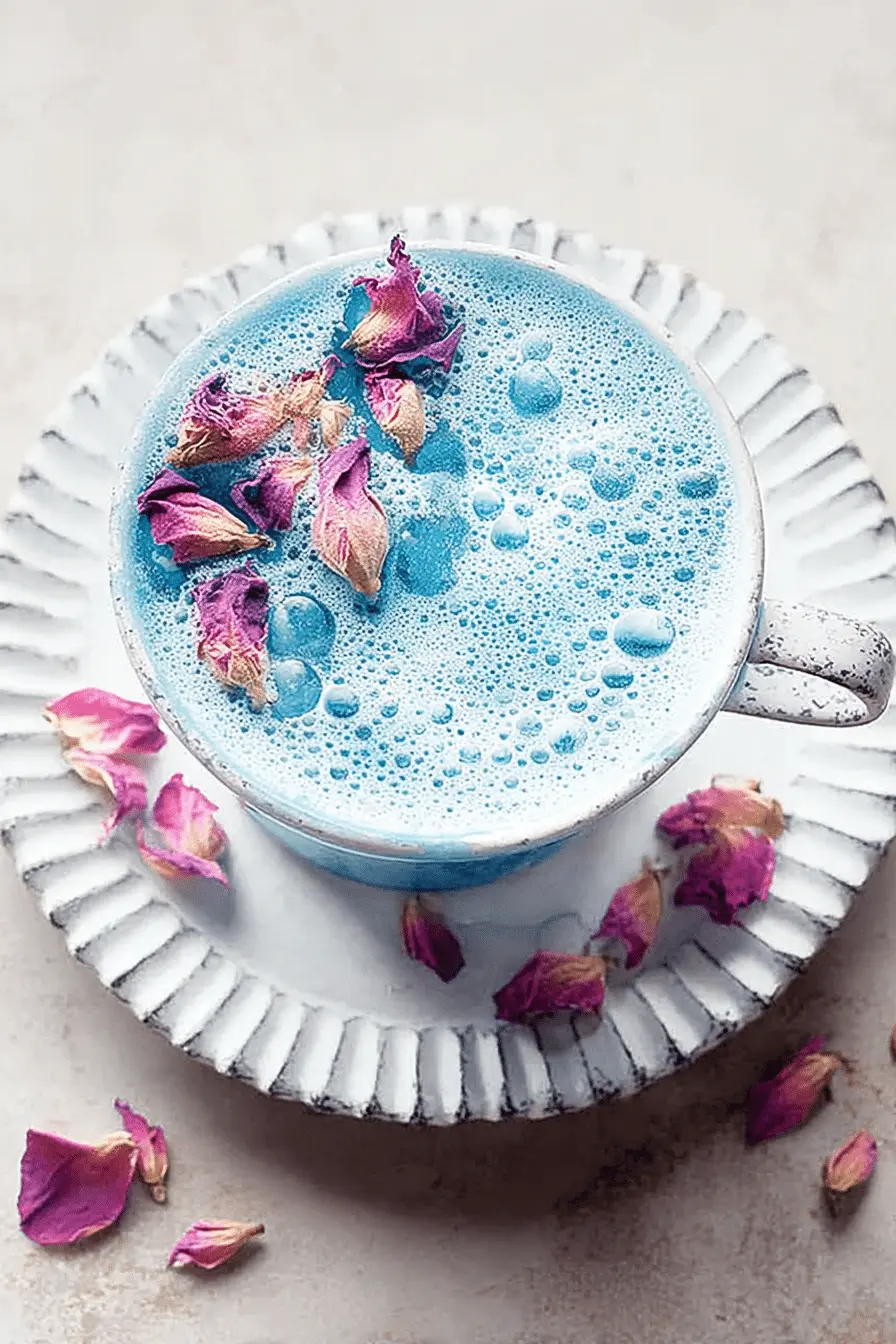
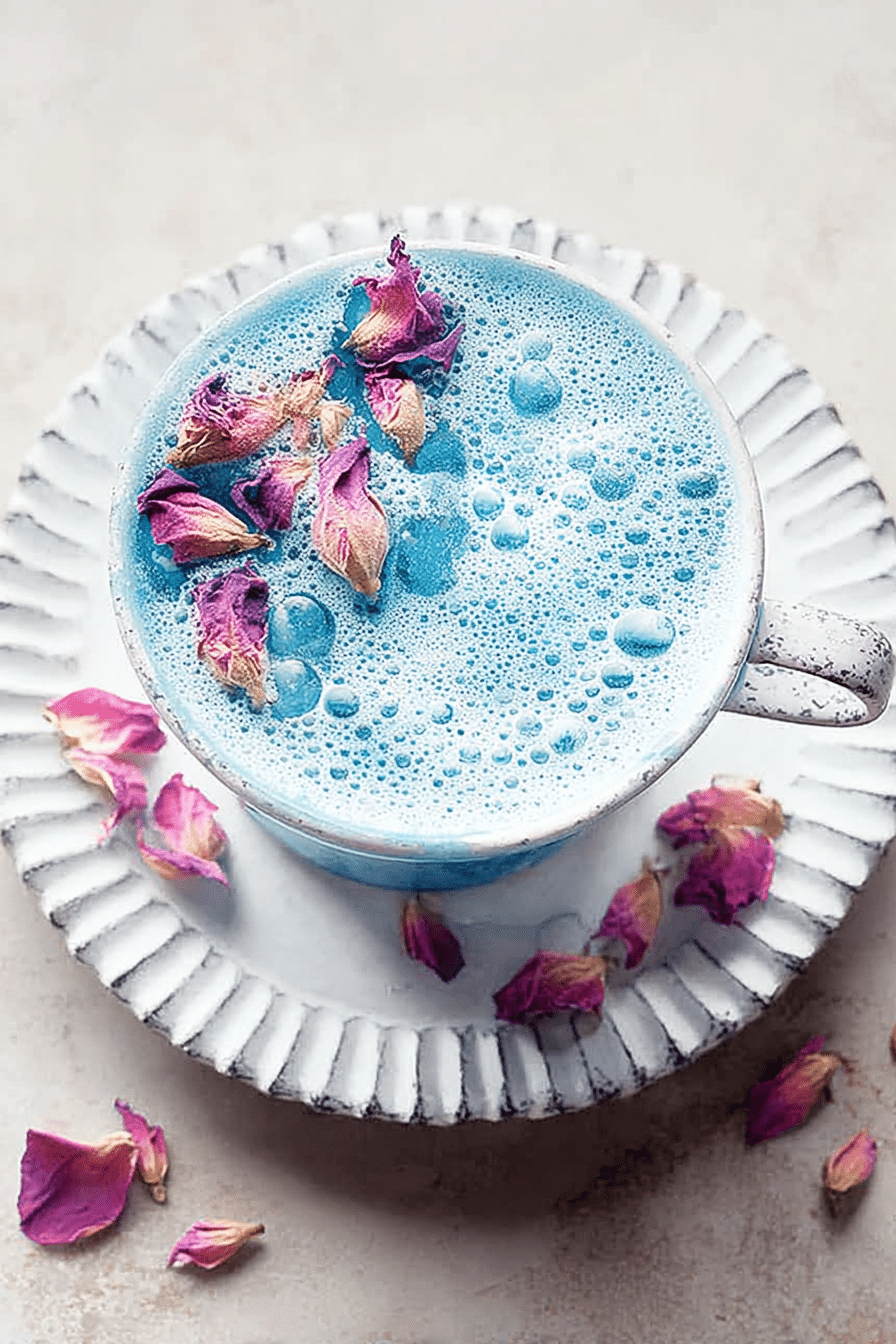
I first started making this blue butterfly pea flower latte on slow mornings when I wanted something gentle, caffeine-free, and a little bit theatrical. In my kitchen the color alone has a way of lifting the mood: a vivid, clear blue that looks like the sea in a cup. The aroma is lightly floral, and for me it’s a quiet ritual that signals a pause in the day.
I like to treat the process like making tea: gentle heat, careful whisking, and just enough sweetening to let the floral notes sing. Over the years I’ve experimented with different plant milks and sweeteners; small swaps change texture and mouthfeel in ways that matter if you’re aiming for a silky, café-style foam.
Beyond being pretty, this latte fits my approach to morning drinks: plant-based, antioxidant-forward, and low in added junk. It’s also a nice way to introduce friends to something new—often they comment on the color first, then the soothing, earthy flavor.
Read on and I’ll walk you through what I use, why I choose each ingredient, and how to get the most color and flavor from a single cup.
Why This Blue Butterfly Pea Flower Latte Is Perfect for Health-Conscious Vegans
This latte is a calm alternative to coffee for people who want a gentle pick-me-up without caffeine. The butterfly pea flower adds anthocyanins, a class of antioxidants that contribute to its blue hue and have been studied for potential benefits related to oxidative stress and skin health. For those watching calories and stimulants, a plant-milk latte sweetened mindfully can be a nourishing, low-calorie ritual.
Sensory note: as you warm the milk and whisk in the blue extract, the cup gives off a delicate floral aroma that feels exotic but grounded. I also appreciate that the drink is versatile: swap milks or sweeteners and you can tune it to match dietary needs or flavor preferences.
Everything You Need for a Blue Butterfly Pea Flower Latte
Below I talk through the ingredients and tools I use in my kitchen—what each one does and how substitutions will change the final cup.
- Blue butterfly pea flower powder – Provides the signature color and floral-earthy base. Prefer quality powder for consistent color and fewer bitter notes.
- Hot water – Used to bloom the powder into a concentrated extract before it meets the milk; a quick bloom releases color and aroma.
- Plant-based milk – Cashew, almond, or oat milk alter texture: cashew gives creaminess, oat adds body and sweetness, almond stays light. Choose according to how creamy you want the latte.
- Maple syrup or another sweetener – Balances earthiness; use liquid sweeteners for easy integration into warm milk. Swap depending on your dietary preference.
- Vanilla extract – Rounds the floral notes and makes the drink feel complete; a small splash warms the flavor profile.
- Dried rose petals or rose buds (optional) – For garnish and a subtle floral lift. Pick culinary-grade petals to avoid fragrances or oils.
- Rose water (optional) – A whisper of rose water intensifies floral aromatics—use sparingly to avoid overpowering the cup.
For a quick meal pairing while you sip, try this latte with quick recipes like vegan stir fry sesame noodles for a vibrant and healthy meal.
Why Butterfly Pea Flower Is an Antioxidant Powerhouse
Butterfly pea (Clitoria ternatea) is valued in Southeast Asia not only for its color but for its traditional roles in teas and culinary uses. The flowers are rich in anthocyanins—antioxidants that give fruits and blossoms their blue-reddish pigments. These compounds are associated with reduced oxidative stress in cells and have been used historically in herbal tonics and natural dyes.
Think of the aroma as lightly floral and herbal, evoking humid markets and tea stalls rather than a heavy perfume. Culturally, the flowers are used in ceremonies and cooking across Thailand and Malaysia; in my kitchen that backstory adds a pleasant context every time I stir a blue cup.
Taste, Color, and Texture: What to Expect
The taste is gently earthy with floral undertones; it’s not sweet on its own, so a little maple or agave softens the profile and highlights the vanilla. Texture depends on your milk choice and aeration. If you froth or steam the milk, you’ll get a silky microfoam that carries the blue color evenly across the cup.
Visually, the bright blue can range from pale sky to deep sapphire depending on concentration—layering the milk against the blue extract can create a beautiful contrast. For a breakfast pairing that echoes the color, try serving the latte with some blueberry oatmeal muffins.
How to Make a Blue Butterfly Pea Flower Latte (Step-by-Step)
- Bloom the blue powder: whisk the butterfly pea powder into a small amount of hot water until dissolved and vibrant—this concentrated blue is your flavor and color base.
- Warm the milk gently on medium heat until it begins to steam; avoid boiling to preserve creaminess and prevent scorching.
- Whisk the blue extract into the warmed milk along with your choice of sweetener and a splash of vanilla; taste and adjust sweetness incrementally.
- Take the pan off the heat and froth or aerate the milk for a few seconds to build microfoam, if you prefer a latte texture.
- Pour into your cup, aiming for a pleasing color balance; garnish with dried rose petals or a tiny drizzle of rose water if using.
For a comforting meal, enjoy your latte with a plate of creamy tomato chicken pasta to complement the unique flavors.
Pro Tip for blue butterfly pea flower latte: Balancing Color and Flavor
Pro Tips, Troubleshooting, and Variations are presented below as bulleted lists for quick reference; I keep these compact because I use them every time I make the drink.
- Start with a modest amount of powder when you’re testing—too much can bring bitterness; add more if you want a deeper color.
- If the color is too faint, increase the bloom concentration rather than adding more powder directly to the milk.
- I’ve found that heating milk to steaming (not boiling) preserves sweetness and gives the best froth. Boiled milk tastes flat.
- To preserve the vibrant blue, avoid acidic add-ins (like lemon) until serving—acid will shift the color toward purple.
- For layered presentation, pour the blue extract into the cup first, then slowly add frothed milk over the back of a spoon for separation.
Vegan Variations, Sweetener Swaps, and Rose Options
- Milk swaps: use cashew for a creamy, indulgent texture; oat for body and natural sweetness; almond for a lighter cup.
- Sweeteners: maple and agave integrate smoothly; try coconut nectar for a lower glycemic index option. If you’re not strictly vegan, a little honey can work but will change flavor and labeling.
- Floral additions: rose water is potent—add a single drop and taste. Dried lavender can be infused with the milk for a more herbal note.
- Color play: for a purple swirl, add a tiny splash of lemon at the end—this shifts the anthocyanins but do so sparingly if you want to keep the blue.
- Community note: I love hearing how readers customize this. Share your favorite milk and sweetener swaps so others can try them; pairing ideas like serving with Mediterranean style grain bowls make for a colorful, balanced meal.
How to Store, Reheat, and Make Ahead Your Blue Latte
Making this latte ahead is easy, but small steps preserve texture and color.
- Store the mixed beverage (milk plus blue extract) in a sealed container in the fridge for up to 48 hours; give it a good stir before reheating.
- Reheat gently over low heat, whisking as it warms to re-integrate any separation. Do not microwave aggressively—high heat dulls flavor and can break down the foam.
- If you want ready-to-froth milk: prepare a concentrated blue extract separately and keep it chilled. Warm the milk and combine at serving for the freshest foam.
- For batch prep: scale the bloom into a jar, refrigerate, and mix into warmed milk per cup—this keeps each serving vibrant and avoids overheating the extract.
- Expect minor color shifts after refrigeration; a quick whisk and steam will bring the hue back when reheated.
Frequently Asked Questions
What are the benefits of butterfly pea latte?
Butterfly pea flower is rich in antioxidants and may help with weight management, blood sugar regulation, and improvements in hair and skin health.
Is blue butterfly latte vegan?
Yes! This Blue Butterfly Pea Flower Latte is completely vegan, especially when made with plant-based milk like cashew, almond, or oat milk.
How can I sweeten my butterfly pea latte?
You can use maple syrup as recommended in the recipe, or swap it with other sweeteners like agave syrup or honey, depending on your dietary preferences.
Can I make this latte ahead of time?
Yes, you can prepare the latte ingredients ahead of time. Store the mixture in the fridge, and just reheat and froth before serving.
How does the latte taste?
The latte has a unique, earthy flavor from the butterfly pea flower, enhanced with sweetness from maple syrup and warmth from vanilla. It's both refreshing and soothing!
Recipe Card
The Blue Butterfly Pea Flower Latte I Make to Brighten Mornings
- Prep
- 5 min
- Cook
- 5 min
- Total
- 10 min
- Serves
- 1
- Calories
- 93 kcal
- Carbs
- 14.00 g
Ingredients
- ½ tspblue butterfly pea flower powder
- 1 tbsphot water
- 8 ozcashew milk (or other plant-based milk)
- 1 tbspmaple syrup
- ½ tspvanilla extract
- 1 tsporganic dried rose petals (optional)
- 2 tsprose water (optional)
Instructions
- 1
Place butterfly pea powder in a small bowl. Add hot water and whisk until the powder dissolves. Set aside.
- 2
Heat cashew milk on medium heat until starting to steam.
- 3
Whisk in butterfly pea flower mixture with maple syrup and vanilla extract. Add rose water if using.
- 4
Take off the heat, and aerate with a milk frother for 30 seconds if desired. Pour into cup and garnish with rose petals if desired. Enjoy!
You might also like
Reviews
Be the first to review this.