

I still remember the first time I poured a glass of deep blue butterfly pea syrup and watched the color bloom into shocking magenta as lemon hit the surface — guests literally crowded around the pitcher. I make this for hot afternoons and poolside parties because it’s not just a drink; it’s a moment. The visual drama draws a crowd, but it’s the bright lemon and subtle floral-earthy notes that keep people coming back for more.
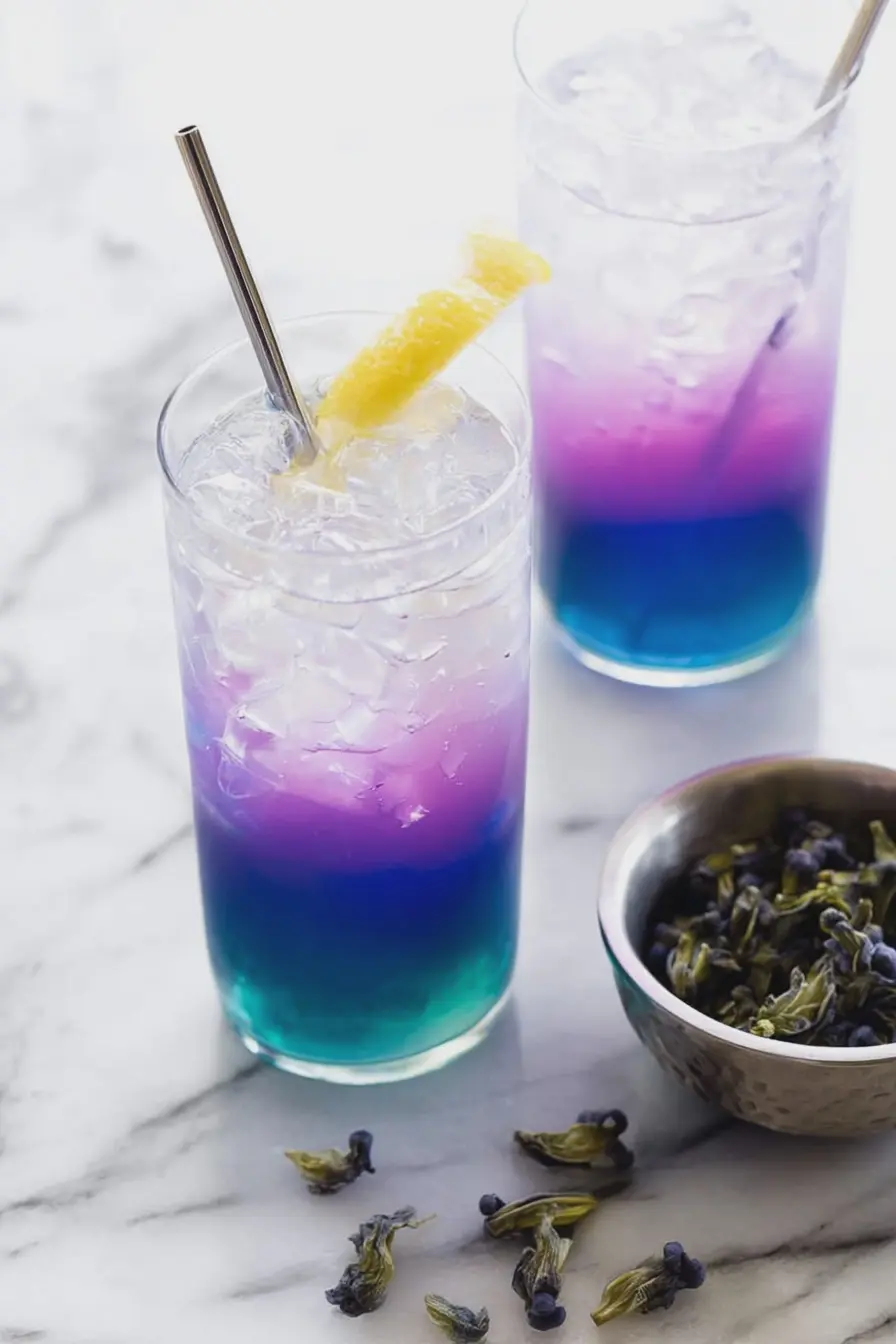
In my kitchen this drink doubles as entertainment and refreshment: kids gape at the color flip, while adults appreciate the tart-sweet balance. It’s fast to make, scales beautifully for a crowd, and looks stunning when layered in clear glassware with ice and lemon wheels.
Over the years I’ve refined a few small habits — steeping time, cooling the syrup, and serving the components separately — that keep the color vibrant and the flavor bright during long summer gatherings.
Why Butterfly Pea Lemonade Is Perfect for Summer Parties
The appeal is two-fold: theatrical color change plus real thirst-quenching flavor. When lemon juice hits butterfly pea extract the anthocyanin pigments respond to the acidity and shift from blue to magenta — that split second is an attention-grabber. Beyond the show, the drink is light, crisp, and cooling: lemon provides bright acidity while the floral, slightly earthy notes of the pea flower make the tartness feel rounder.
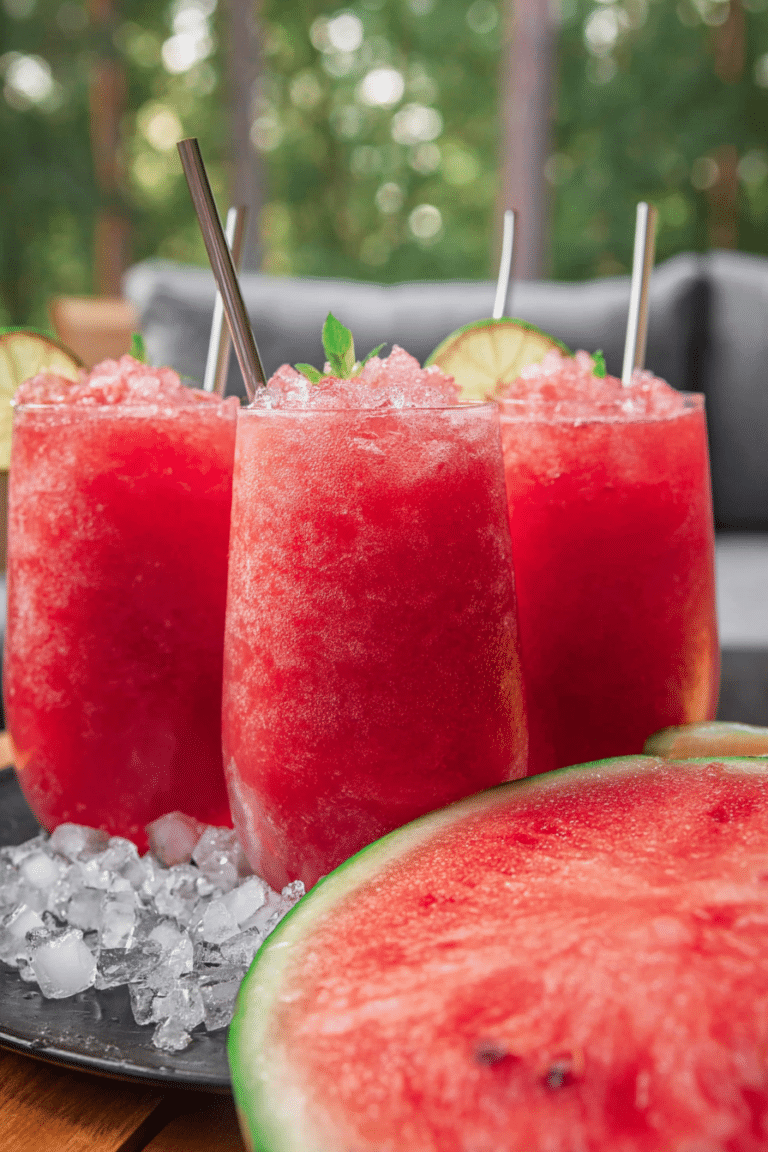
This recipe is ideal for entertaining because it’s simple to scale and easy to serve buffet-style: make the blue syrup ahead, chill the lemon mix, then let guests pour and watch the transformation. For a frozen option to pair with this, try a mint lemonade slushie that’s perfect for summer parties:
Everything You Need for Butterfly Pea Lemonade
Below are the ingredients and tools I reach for every time. I explain why each matters and what to swap if you need to.
- Butterfly pea flowers – The source of that incredible blue pigment and a subtle floral backbone; dried flowers are easiest to store.
- Fresh lemons – Fresh juice brightens the drink in a way bottled citrus can’t; the aromatics from zest and fresh-squeezed juice make a noticeable difference.
- Granulated sugar or alternative sweetener – Balances the lemon; try honey, agave, or simple syrup made with your preferred sweetener for dietary swaps.
- Filtered water – Keeps the color clear and the flavor pure; tap water with strong mineral taste can mute brightness.
- Ice and garnishes – Lemon wheels, sprigs of mint, or edible flowers make the presentation pop and keep glasses cool longer.
- Tools – A saucepan for steeping, a fine mesh sieve, a pitcher for chilling, and clear glasses so the color change is visible.
The Color-Changing Chemistry: How pH Shifts Blue to Pink
The short version: butterfly pea flowers contain anthocyanin pigments that change structure when the acidity changes. When the syrup is neutral or slightly alkaline the pigment reads as blue; add acid — lemon juice — and the pigment shifts to pink or magenta. That instant change, right where the two liquids meet, is one of those tiny kitchen miracles that feels almost theatrical.
Other familiar pH color shifts include red cabbage (which can range from purple to pink to green depending on acid/base) and hibiscus tea, which leans toward deep red in neutral to acidic conditions. Those comparisons help explain why the lemon does more than flavor the drink: it literally repaints it.
Flavor Profile: What Butterfly Pea Flower Actually Tastes Like
Butterfly pea flower is surprisingly restrained. It offers a mild, earthy-floral note — think softened green tea with a whisper of garden florals — rather than overt sweetness. Paired with lemon, the tartness becomes the lead voice and the pea flower smooths and rounds the edges, creating a refreshing, balanced beverage.
For depth, I often add mint for freshness or a thin slice of ginger for a warm snap. Those additions complement the floral base without distracting from the visual effect.
Health Benefits: Antioxidants, Uses, and What the Research Says
Butterfly pea flower has a long history in Southeast Asian cuisines and traditional remedies, often used as a tea or natural dye. Modern analyses show the flowers contain antioxidants — notably anthocyanins — that may help combat oxidative stress in cells. Some preliminary studies suggest potential benefits for skin health and circulation, but human research is still limited.
Practical notes: the drink is hydrating and low in fat; if you reduce added sugar it becomes a lighter, antioxidant-forward refresher. However, there are a few cautions: butterfly pea has been reported to lower blood pressure in some cases, so people with hypotension should consult a clinician. Also, to be safe, most guidance recommends avoiding it during pregnancy and breastfeeding until more data are available.
If you’re exploring antioxidant-forward beverages, you might also like a hibiscus pineapple smoothie for a different tart-floral flavor profile:
How to Make Butterfly Pea Lemonade (Step-by-Step)
- Start by making the blue syrup: gently simmer dried butterfly pea flowers in filtered water with your chosen sweetener, then remove from heat and let steep. Proper steeping gives you a deep blue color and a subtle floral flavor.
- Strain the syrup through a fine mesh sieve into a heatproof container and chill it. Cooling the syrup preserves the dramatic color when it meets cold lemon mixture and ice.
- In a separate pitcher combine fresh lemon juice with cold filtered water; adjust sweetness if you like a touch more balance before serving.
- To serve for the full visual effect, fill clear glasses with ice, pour the blue syrup to about halfway, then slowly pour the lemon mixture over the back of a spoon so the two layers meet gently and the color transformation happens in view.
- Stir to combine if you want an even pink color throughout, or let guests mix their own to prolong the moment of change.
If you’re looking for a refreshing twist, you can also try our butterfly pea tea lemonade for an equally stunning drink.
Pro Tips for Butterfly Pea Lemonade: Keep the Color Vibrant Longer
Below are practical tips — and per readability, the Pro-Tips, Troubleshooting, and Variations sections are presented as bulleted lists for quick scanning.
- Store the blue syrup and lemon mixture separately until serving to preserve the color and the visual effect.
- Chill the syrup completely before combining; warm syrup can dull the sharpness of the color flip.
- Adjust sweetness conservatively. Too much sugar can mask the floral notes; taste as you go.
- Serve in clear glassware and use plain ice (not cloudy or flavored) so the color change remains the focus.
- Garnish with lemon wheels or edible flowers to create eye-catching glasses that stay colorful throughout your event.
Troubleshooting
- If the syrup looks pale: I’ve found a longer steep time gives a richer blue; let the flowers steep off heat for a few extra minutes until the color deepens.
- If the color turns muddy after mixing: that can happen if your water is very alkaline or mineral-heavy; use filtered water for both syrup and lemon mix.
- If the flavor is flat: add a small pinch of salt or a touch more fresh lemon to brighten it up without changing the visual effect.
- If guests want less tartness: offer a lightly sweetened pitcher alongside the stronger lemon mix so people can dial their own balance.
Make-Ahead, Storage, and Fun Variations
- Make the blue syrup up to 3 days ahead and keep it airtight in the refrigerator. Keep lemon juice and water mixture separate until serving to maintain the spectacle.
- Store assembled lemonade for 2–3 days in the fridge; note the color may shift slightly over time, so it’s best enjoyed fresh when possible.
- Variations to try:
- Adult cocktail: add a clear spirit like vodka or gin, or float a splash of sparkling wine just before serving for bubbles that lift the color change.
- Frozen treats: freeze the lemonade into popsicles or make a slushie for a cooling party treat.
- Dessert uses: use concentrated blue syrup as a glaze for cakes or to color panna cotta for a showstopping dessert plate.
- For another delightful option, consider making blueberry tea lemonade as a fun variation to impress your guests.
Frequently Asked Questions
What makes butterfly pea lemonade unique? Butterfly pea lemonade is unique because it features a natural pigment that changes from rich blue to vibrant magenta when lemon juice is added, creating a magical visual experience in addition to a refreshing flavor.
Can I adjust the sweetness of the lemonade? Yes — you can adjust sweetness by adding more or less sugar (or your preferred sweetener) to the butterfly pea syrup to match your taste.
Is butterfly pea flower safe for everyone? While butterfly pea flower is generally considered safe, it may lower blood pressure and is often recommended to avoid during pregnancy and breastfeeding; consult a healthcare professional if you have concerns.
How should I store leftover butterfly pea lemonade? Store leftover lemonade in an airtight container in the refrigerator for up to 2–3 days. The color can shift over time, so the freshest pours have the best visual impact.
Can I make butterfly pea lemonade in advance? Absolutely. Prepare the butterfly pea syrup and the lemon mixture ahead of time and combine them right before serving so your guests can watch the color change.
Butterfly Pea Lemonade
Ingredients
Method
- In a saucepan, combine 3 cups filtered water with sugar. Stir in butterfly pea flowers. Bring to a simmer. Remove from heat, cover and let steep for 10 minutes. Strain through a fine mesh sieve, discarding solids. Set aside to cool.
- In a jar or glass measuring cup, combine lemon juice and remaining 2 cups of water.
- To serve, fill glasses with ice. Pour cooled butterfly pea syrup into glass, filling about half way. Pour lemon mixture over top, and watch the magic happen! Where the lemon meets the syrup, the color will change from blue to pink. Stir to combine the two mixtures until the color is pink throughout and enjoy!