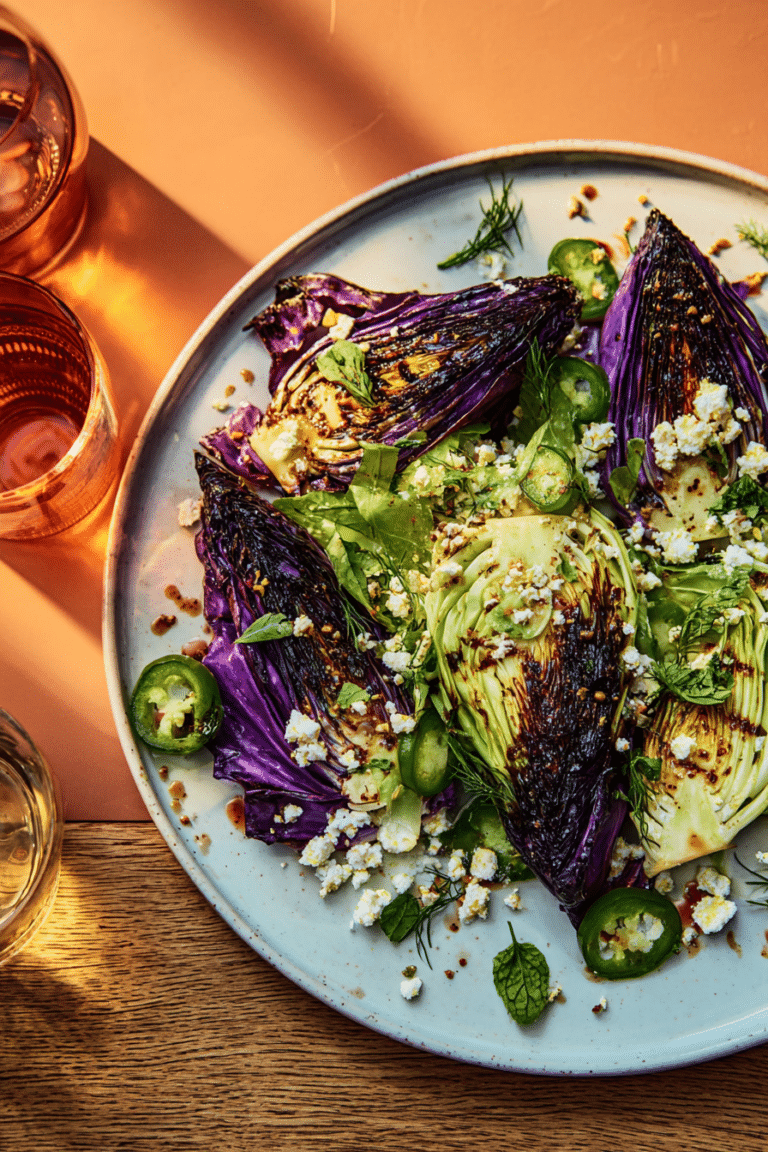


I make this version of charred cabbage with balsamic vinegar when I want something fast, forgiving, and a little different from the usual roasted veg. It takes almost no active time and delivers those toasty, slightly sweet edges that make people actually pay attention to cabbage. I love it on busy weeknights because it’s mostly hands-off and still feels special.
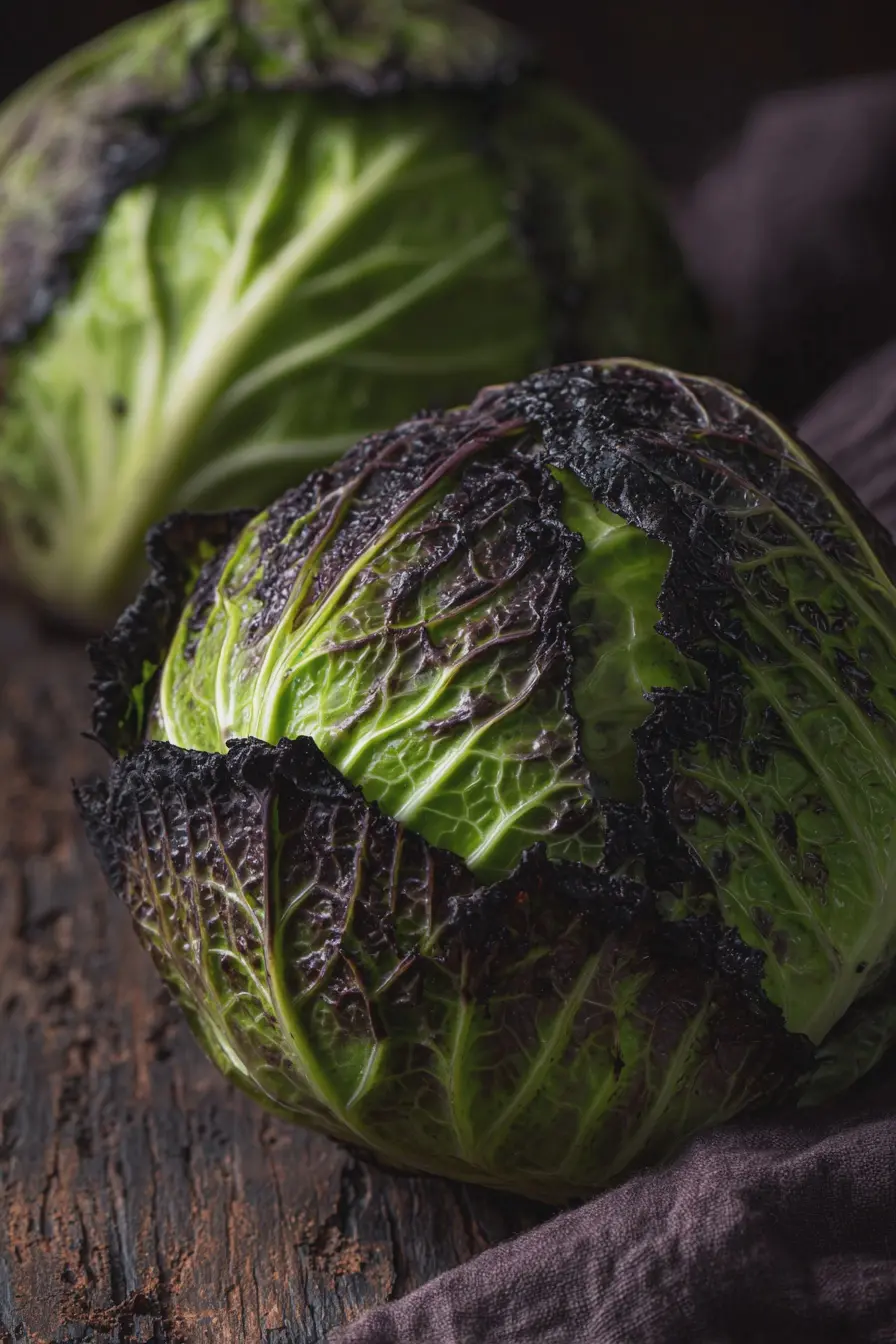
The first time I tried this I left the strips too crowded and the cabbage steamed instead of charred. After a couple of adjustments I learned to slice evenly, space the pieces, and let the oven do the rest. The result is smoky, slightly sweet, and deeply caramelized cabbage that pairs with everything from a simple grain bowl to grilled protein.
I like to keep the ingredient list short and pantry-friendly so you can make this without a special trip to the store. If you do want to experiment, there are easy topping ideas and simple swaps you can use to tailor the dish to your diet.
Why Charred Cabbage with Balsamic Vinegar Is Perfect for Busy Cooks
This recipe takes just over an hour with only a few minutes of hands-on work. The oven does most of the job while you handle other tasks. The char concentrates the cabbage’s natural sweetness and creates deep, savory notes that feel like more effort than they take. The ingredients are common, inexpensive, and fridge-friendly, so you won’t need to make a special shopping run.
Everything You Need for Charred Cabbage with Balsamic Vinegar
Keep your mise en place simple: a cabbage, oil for crisp edges, an acid to brighten, and salt. Olive oil helps create those crisp, lacy edges, while the balsamic or an alcohol-free swap adds tang and depth. Cabbage itself is sturdy and forgiving—perfect for this kind of hands-off roast.
If you love unique flavors, check out our Roasted Cabbage with Miso Butter for a delightful twist on cabbage dishes.
- Cabbage – The star: holds up to long oven time and caramelizes well. Use green or purple depending on the look you want.
- Olive oil – Helps the edges brown and keeps the cabbage from drying out; choose good-quality oil for aroma.
- Balsamic vinegar – Adds sweet-tart depth; see the Pro Tip section for an alcohol-free swap.
- Broth (as substitute) – Adds umami when avoiding vinegar or alcohol; pairs with lemon to give brightness.
- Salt – Essential for drawing out moisture and enhancing flavor; season before roasting so the cabbage softens and caramelizes properly.
The Secret to a Deep, Even Char on Cabbage
- Use a hot oven so the edges can brown instead of steam. High heat encourages Maillard browning and those crisp tips you want.
- Slice the cabbage into even strips so each piece cooks the same. Uneven pieces mean some will burn while others stay pale.
- Don’t overcrowd the pan. Give the strips air and room to brown — overlapping leads to steaming, not charring.
- Oil each piece lightly and season before roasting; the oil helps transfer heat to the cabbage and speeds caramelization.
- Place the pan near the top of the oven if you want extra browning from the heating element, checking occasionally to prevent flare-ups.
How to Make Charred Cabbage with Balsamic Vinegar (Step-by-Step)
- Preheat the oven to a high roast temperature so it’s fully hot when the cabbage goes in.
- Clean the cabbage and slice into even strips about the width of a finger so pieces cook uniformly.
- Arrange the strips on a lined baking pan in a single layer with space between pieces to encourage air circulation.
- Drizzle each strip with olive oil and the balsamic (or the broth + lemon swap) and sprinkle with salt; the parchment paper prevents sticking and makes cleanup easier.
- Bake on a high rack for around an hour, watching for deeply browned, slightly crisp edges; remove when the pieces are blistered and a few tips are almost blackened.
- Let the cabbage rest briefly on the pan to firm up, then serve warm — it’s best enjoyed right away.
- Alternative method: If you don’t have an oven, sear the strips in a hot skillet in batches for quick char, turning until edges are browned.
Seasoning and Topping Ideas That Complement Balsamic
- Crumbled feta or goat cheese for creamy, tangy contrast to the caramelized cabbage.
- Fresh herbs such as thyme or rosemary add aromatic depth; scatter just before serving to keep their brightness.
- Toasted nuts or seeds (walnuts, almonds, or pumpkin seeds) provide crunch and a toasty note.
- A drizzle of good olive oil or a squeeze of lemon can brighten the finished dish and balance the balsamic’s sweetness.
- A pinch of red pepper flakes gives a warm lift that plays nicely with the char.
Pro Tip for charred cabbage with balsamic vinegar: Swap balsamic for broth + lemon if avoiding alcohol
- If you need an alcohol-free option, mix a savory broth with a little lemon juice to mimic the acidity and depth of balsamic; taste and adjust the lemon so it’s bright but not sharp.
- When using broth, consider finishing with a tiny splash of honey or maple if you want a hint of brown-sugar sweetness that balsamic naturally provides.
- Reduce added salt slightly if your broth is salty, and add fresh herbs after roasting to lift the flavor.
If you’re looking for an alternative preparation method, consider making our Spicy Baked Cabbage.
How to Store and Reheat Charred Cabbage
- Cool the cabbage to room temperature, then store in an airtight container in the fridge; it keeps well for a few days but is best within 48 hours.
- Reheat briefly in a hot skillet to bring back some of the crisp edges—avoid the microwave if you want to preserve texture.
- For meal prep, add toppings like cheese or nuts just before serving to keep textures distinct and fresh.
Looking for a great way to use any leftover cabbage? Try preparing Cabbage Steaks for a nutritious meal.
Easy Variations and Serving Suggestions (Vegan, Protein Pairings, Grain Bowls)
- Vegan bowl: serve the charred cabbage over grains with hummus or tahini, chopped herbs, and toasted seeds for a filling plant-based meal.
- Protein pairings: add grilled chicken, pan-seared tofu, or roasted salmon for a more substantial plate.
- Wraps & salads: fold the cooled cabbage into wraps with beans and avocado, or toss into a salad for a warm component.
- Grain bowls: combine with quinoa, farro, or rice, plus a bright drizzle of dressing and some pickled onions for contrast.
For another delicious way to enjoy cabbage, try this Oven Baked Cabbage Recipe with Mustard Sauce.
Troubleshooting
- If your cabbage steamed instead of charring, I usually find the pan was overcrowded; space the pieces next time and use a hotter oven.
- If the cabbage is too dry, I’ve added a touch more oil or a quick splash of broth after roasting to restore juiciness.
- If edges burn too quickly, move the rack lower or reduce the temperature slightly—every oven runs a bit different, so watch the first batch closely.
- If the flavor seems flat, I often finish with a squeeze of lemon or a little more salt right before serving to sharpen the taste.
Nutritional Benefits of Cabbage and How It Aids in Health
Cabbage is low in calories and high in fiber, which helps with digestion and keeps meals feeling satisfying without excess calories. It also contains antioxidants and micronutrients like vitamin C and vitamin K that support immune health and bone strength. Roasting concentrates flavor while keeping most of the vegetable’s benefits, making it a great option for adding volume and nutrients to any meal.
Frequently Asked Questions
How long does it take to char cabbage?
To char cabbage in the oven at a high roast temperature, it usually takes about 1 hour as described in this method. If you’re using a frying pan, you can achieve a charred finish in about 8–10 minutes over medium-high heat.
What are some common mistakes to avoid when cooking cabbage?
Common mistakes include not washing the cabbage thoroughly, overcooking it, using too little fat, overcrowding the pan, and not seasoning enough. Avoid these and you’ll get better browning and flavor.
How do you sauté cabbage with balsamic vinegar?
Heat olive oil in a skillet over medium-high heat, add coarsely chopped cabbage with salt and pepper, and cook for 8–10 minutes until tender and beginning to brown. Drizzle with balsamic vinegar just before serving.
Why add vinegar to cooked cabbage?
Vinegar balances the savory notes and enhances overall taste, brightening the dish and cutting through richness.
Can I use a substitute for balsamic vinegar in this recipe?
Yes. If you’re avoiding alcohol, substitute balsamic vinegar with a mixture of chicken or vegetable broth and a small amount of lemon juice to mimic the acidity and depth.
Charred Cabbage with Balsamic Vinegar
Ingredients
Method
- Preheat your oven to 200 degrees C and line a pan with parchment paper.
- Clean your cabbage and slice it into thin strips about the width of a finger.
- Place the strips onto the lined pan and spread them apart so they are not lying on top of each other.
- Sprinkle them with the oil, broth with lemon juice, and salt.
- Bake the cabbage on the top rack for 1 hour or until the pieces begin to burn.
- Devour the entire pan in one sitting.