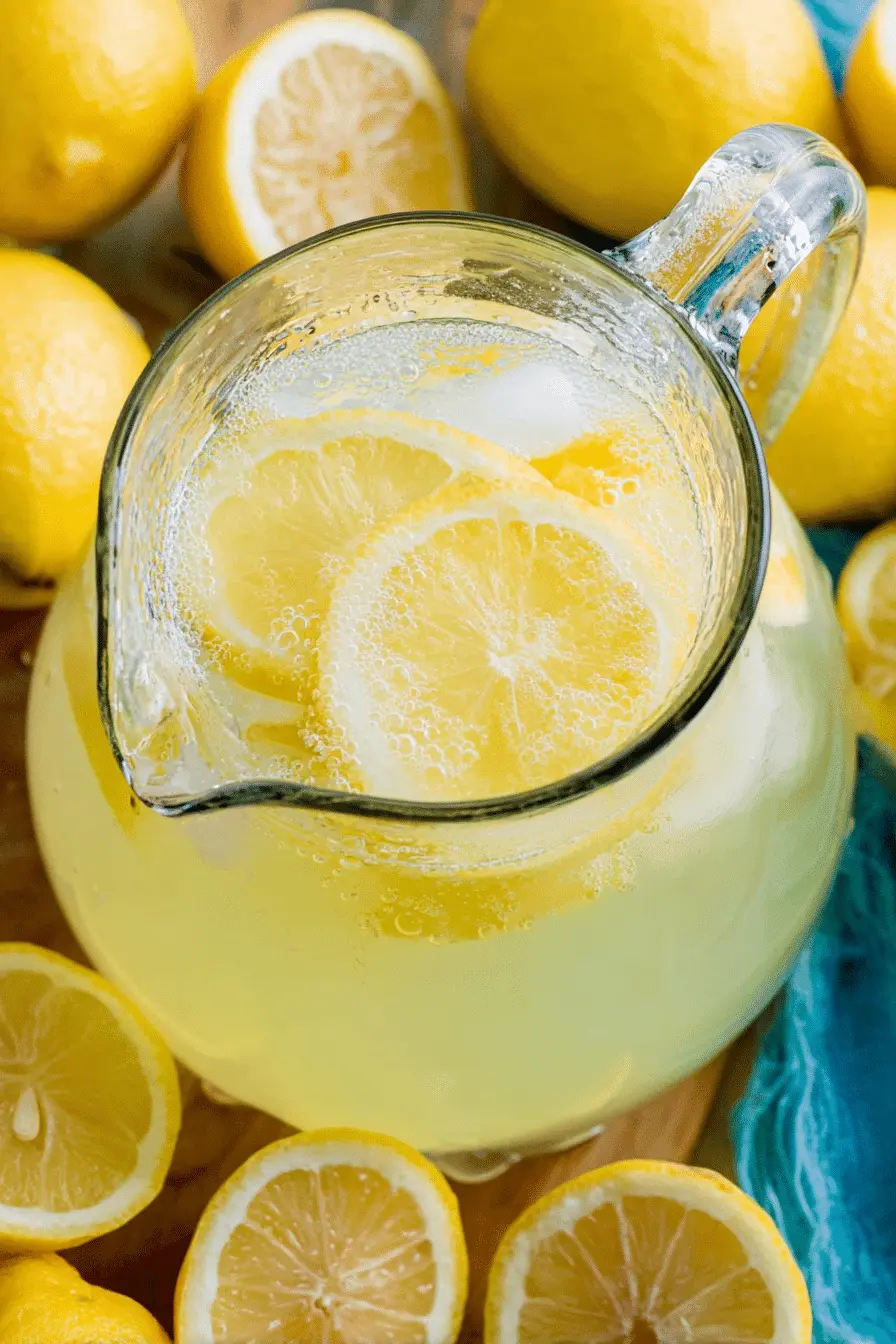
The Lemonade I Make Every Summer — Homemade Lemonade Recipe
- Prep
- 10 min
- Cook
- 5 min
- Total
- 15 min
- Serves
- 8
- Calories
- 103 kcal
- Carbs
- 27.00 g
Introduction
I always keep a pitcher of this lemonade on hand for hot afternoons. It comes together in about fifteen minutes and fills the kitchen with a bright, citrusy scent that makes the whole house feel cooler. When I need something quick, this is the drink I reach for.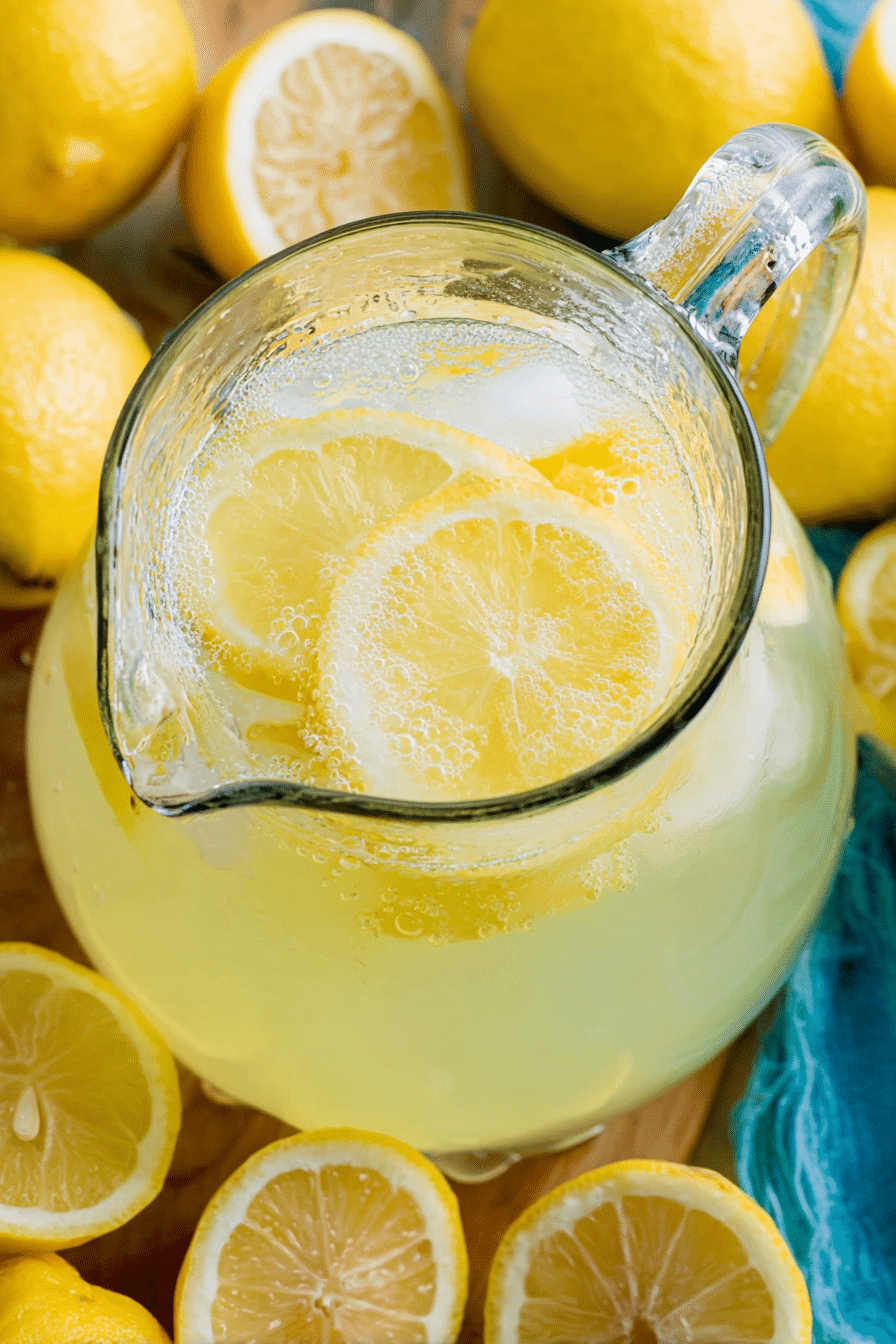
Why This Homemade Lemonade Recipe Is Perfect for Busy Home Cooks
This recipe is built for speed and simplicity. You can have a full pitcher ready in about fifteen minutes, which makes it ideal for last-minute get-togethers or for cooling down after a quick yard workout. The ingredients are common pantry staples, and the method is straightforward — nothing fussy or technical.
The visual and aromatic payoff is immediate: bright yellow juice, floating lemon slices if you like them, and the sharp citrus scent that fills your kitchen. The recipe scales easily, so you can double or triple quantities without changing technique.
Keep the tone practical: focus on what saves time (simple syrup to avoid gritty sugar, a good juicer to speed things up) and how to stretch the batch when guests arrive.
Everything You Need for Homemade Lemonade
Here’s a quick run-through of the ingredients and tools that make this lemonade effortless. I list their purpose and simple swaps so you can adapt based on what you have on hand.
- Fresh lemons – The base flavor; choose ripe, heavy lemons for the juiciest results.
- Granulated sugar – Provides clean sweetness; you can swap for liquid sweeteners if preferred.
- Water – Dilutes and balances the lemon; cold water for serving and a small amount warmed to dissolve sugar.
- Juicer – Hand press or reamer speeds extraction and keeps seeds out; a small electric juicer is handy if you make lemonade often.
- Pitcher and stirring spoon – A clear pitcher shows off the color and makes stirring easy.
Want to boost your lemonade with health benefits? Try adding our lemon ginger turmeric shot for an extra kick.
Why Fresh Lemons Make a Real Difference
Fresh lemons bring vibrant, zesty flavor and aroma that bottled juice can't match. When you cut a fresh lemon the oils in the peel release an immediate citrus perfume that lifts the whole drink — it's both smell and taste working together.
Fresh juice also has natural acidity that brightens the sweetness and balances the palate; that clarity of flavor makes the lemonade feel lively instead of flat. From a nutrition standpoint, fresh lemon juice contains vitamin C and phytonutrients that are reduced in processed juices.
When you handle fresh lemons you can feel their texture and weight; heavier lemons usually mean more juice, and that tactile cue helps you pick the best ones at the market.
Simple Syrup vs Granulated Sugar: What to Use
Simple syrup blends seamlessly into cold lemonade so you won't get any graininess. Granulated sugar works if you dissolve it first in warm water, but if you skip that step you might notice undissolved crystals in the glass.
If you prefer a smooth, consistent sweetness every time, I recommend using a simple syrup. It also mixes better if you're adding fruity or herbal infusions.
- How I make quick simple syrup – Combine equal parts sugar and water in a small saucepan over medium-low heat and stir until the sugar fully dissolves; remove from heat and cool before adding to the lemon juice.
- Cooling matters – Let the syrup cool for a few minutes so it doesn't warm the lemon juice; I usually set it aside while I squeeze the lemons.
- If you prefer granulated sugar – Stir sugar into a small amount of warm water until dissolved, then add to the pitcher; this avoids a gritty finish.
Flavor Variations: Strawberries, Mint & Honey Swaps
These variations are simple to make and keep the lemonade approach flexible for different tastes and occasions. Try gentle infusions rather than overpowering additions so the lemon still shines.
- Strawberry lemonade – Blend fresh strawberries, strain if you want a clear drink, and mix into the lemonade for a fruity pink twist.
- Mint – Muddle fresh mint leaves lightly before adding to the pitcher for a cooling herbal note.
- Honey or agave – Use in place of part or all of the sugar for a more rounded sweetness; thin warm honey in water first so it mixes smoothly.
- Herbal infusions – Steep a sachet of chamomile or a sprig of rosemary in hot water, cool, then add to the lemon base for subtle complexity.
- Berry blends – Mash or puree mixed berries for a deeper color and flavor profile without hiding the lemon.
For a refreshing twist, try our Blueberry Tea Lemonade that combines the tartness of blueberries with the classic lemonade flavor.
Another delicious option is our Peach Lemonade, offering a sweet and fruity twist to your homemade drink!
How to Make Homemade Lemonade (Step-by-Step)
- Combine a small amount of water and sugar in a saucepan and heat gently, stirring until the sugar dissolves to make a simple syrup. Remove from heat and let cool slightly.
- Juice fresh lemons into a pitcher, straining out seeds but leaving pulp if you like a rustic texture.
- Add the cooled simple syrup to the lemon juice and stir to combine.
- Pour in the remaining cold water, stir well, then taste and adjust sweetness or water to reach your preferred balance.
- Serve over ice immediately or refrigerate until cold; garnish with lemon slices or fresh herbs if desired.
- Troubleshooting – If the lemonade tastes too sharp, I add a touch more simple syrup and let it chill so the flavors meld. If it's too sweet, dilute with a little extra cold water and adjust again after it sits for a few minutes.
- I also watch for graininess: if your sweetener hasn’t dissolved fully, warm a small amount of water, dissolve the sweetener completely, cool, then mix back into the pitcher.
Pro Tip for homemade lemonade recipe: Low‑Sugar Swaps That Work
- Stevia – Start conservatively; it's much sweeter than sugar. I add a small amount, taste, then increase gradually to avoid bitterness.
- Monk fruit or erythritol blends – These are good one-to-one substitutes for sugar in simple syrup form; dissolve them the same way to ensure a smooth texture.
- Honey or agave – Use slightly less than you would sugar because they're sweeter per volume; thin with warm water so they blend evenly.
- Reduced-sugar approach – Cut the sugar by about one-third and boost brightness with extra lemon zest or a splash of sparkling water for perceived sweetness without more sugar.
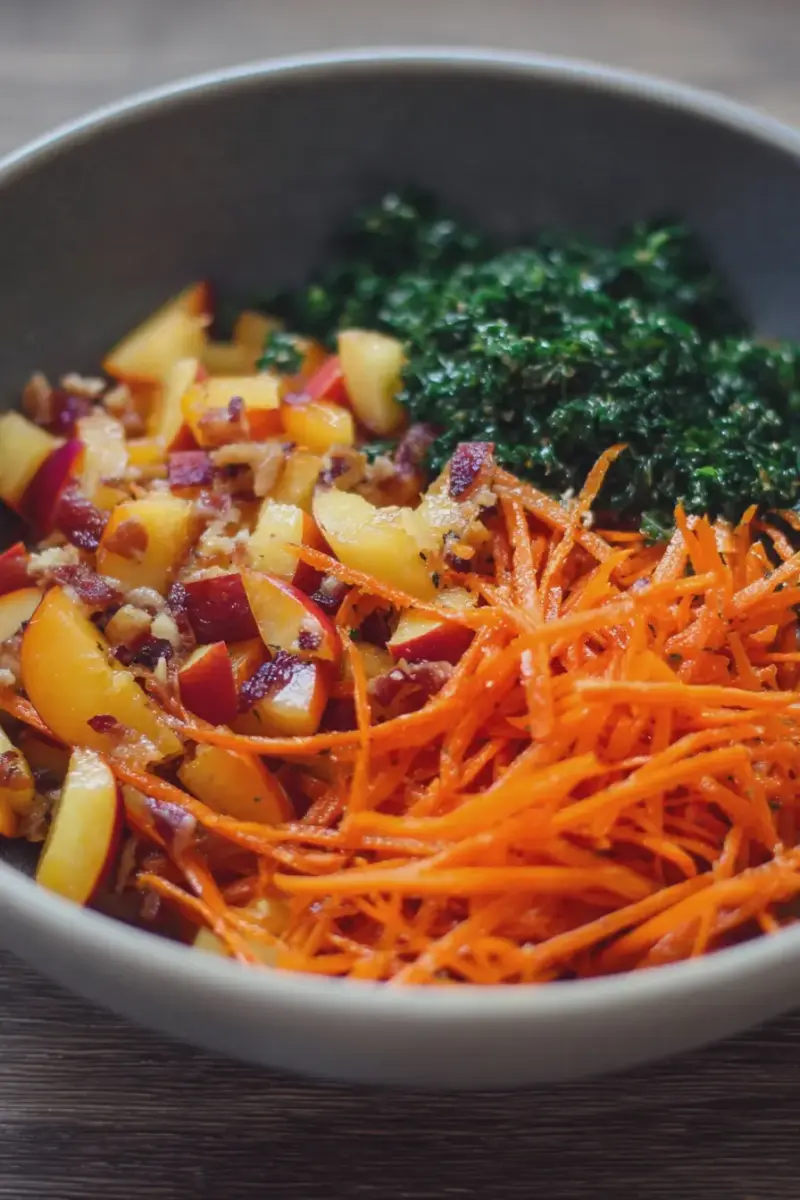
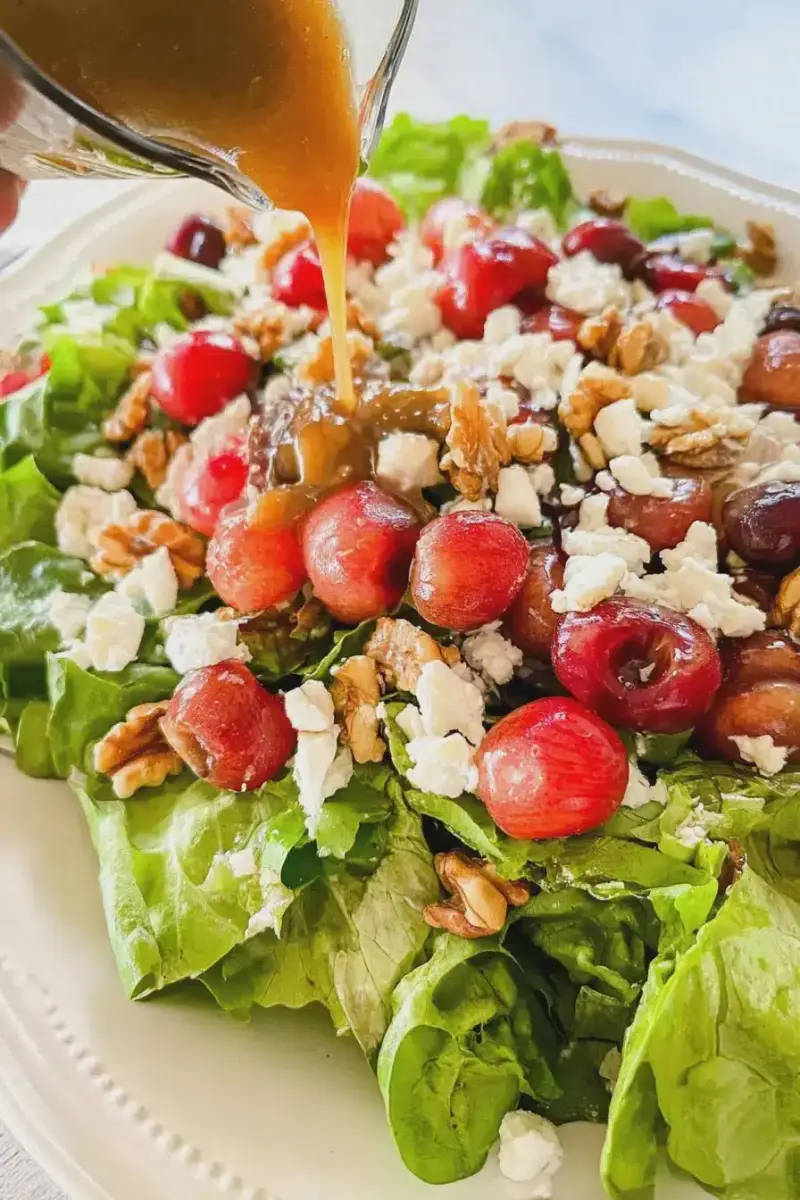
For more low-carb recipes that are perfect for summer, check out this delicious salad.
How to Store, Make Ahead, and Serve Your Lemonade
Store lemonade in an airtight pitcher or jar in the refrigerator. It keeps best for about three to five days — beyond that the flavor can dull and the citrus can start to separate. Give the pitcher a good stir before serving if it has settled.
To make ahead, prepare the simple syrup and lemon juice separately then combine and chill when you're ready. This keeps the flavors fresher and lets you control sweetness at serving time.
Serve over plenty of ice with optional garnishes like lemon wheels, fresh mint, or a few muddled berries. For a fizzy finish, top individual glasses with a splash of chilled sparkling water just before serving.
Frequently Asked Questions
How do I make homemade lemonade? To make homemade lemonade, combine a small amount of water and sugar in a saucepan and heat until the sugar dissolves. Then, pour fresh lemon juice into a pitcher, add the sugar water mixture, and stir in the remaining water. Serve over ice!
Can I use bottled lemon juice instead of fresh lemons? While you can use bottled lemon juice, fresh lemons provide a superior flavor and aroma, making your lemonade taste much fresher and more vibrant.
How can I customize my lemonade flavor? You can add a variety of flavors to your lemonade! Try blending in fresh strawberries, mint leaves, or even a drizzle of honey for a unique twist.
What’s the difference between using simple syrup and granulated sugar for lemonade? Simple syrup blends easily into cold liquids, ensuring a smooth sweetness, while granulated sugar can take longer to dissolve, especially in cold beverages.
How do I store leftover homemade lemonade? Store leftover lemonade in an airtight container in the refrigerator. It will stay fresh for up to 3-5 days. Just give it a good stir before serving again!
Recipe Card
The Lemonade I Make Every Summer — Homemade Lemonade Recipe
- Prep
- 10 min
- Cook
- 5 min
- Total
- 15 min
- Serves
- 8
- Calories
- 103 kcal
- Carbs
- 27.00 g
Ingredients
- 6 cupswater (divided)
- 1 cupgranulated sugar
- 1 cupfresh-squeezed lemon juice (seeds removed, pulp may remain)
Instructions
- 1
Combine 1 cup (236ml) water and 1 cup sugar in a small saucepan. Place over medium-low heat and stir until sugar is dissolved. Remove from heat and set aside, allow to cool for 10 minutes.
- 2
Pour 1 cup fresh-squeezed lemon juice into a pitcher. Add sugar/water mixture (simple syrup).
- 3
Add remaining 5 cups (1180ml) water and stir well. Pour over ice and serve, or transfer to refrigerator and allow to chill several hours before serving.
You might also like

Reviews
Be the first to review this.