
How I Make Honey Mustard Wedges — Crispy Outside, Fluffy Inside
- Prep
- 20 min
- Cook
- 60 min
- Total
- 80 min
- Serves
- 8
- Calories
- 367 kcal
- Protein
- 31.00 g
- Carbs
- 30.00 g
- Fat
- 15.00 g
Introduction
I make these honey mustard wedges on nights when dinner needs to be quick, satisfying, and kid-approved. In my kitchen they started as a way to use up a few large potatoes and a jar of mustard, and now they're a go-to: simple prep, hands-off baking, and a flavor that gets everyone reaching for seconds. The sweet-tangy honey mustard scent fills the house as they roast, and that smell alone makes the whole evening feel a little easier.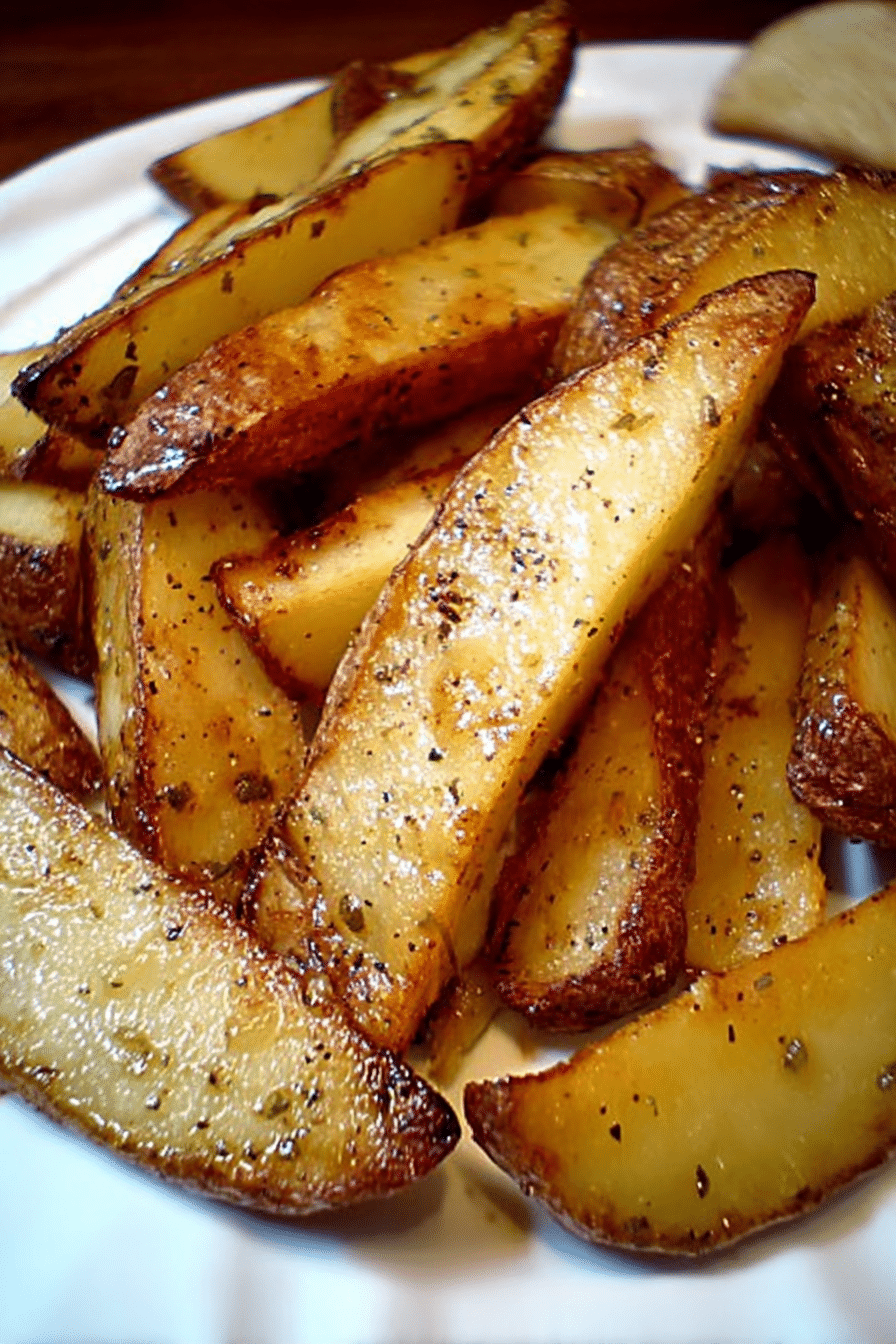
Why These Honey Mustard Wedges Are Ideal for Busy Weeknights
These wedges require minimal preparation, making them ideal for busy schedules. I can cut and toss them in under 10 minutes, then let the oven do the work while I finish other tasks. The sweet-and-savory honey mustard profile is broad-appeal—my kids and guests both reach for these first. Picture the warm, tangy aroma of mustard and honey mingling with roasted potato—comforting and familiar.
Sensory note: imagine slipping a slightly crisp wedge into your mouth—warm, soft interior, a salty edge and that sticky-sweet mustard coating on the outside. That contrast is why they work as both a snack and a side for a main like roast chicken or a simple salad.
Everything You Need for Honey Mustard Wedges
Tools and ingredients are straightforward and easy to source. Use fresh produce and basic pantry items for the best result. If something is missing, I list sensible swaps so you can still make them tonight.
- * Potatoes – The main ingredient; choose firm, unblemished spuds. Russet gives the crispiest edge, Yukon Gold will be creamier.
- * Olive oil – Helps the coating brown and crisp. Substitute a neutral oil if you prefer a milder flavor.
- * Honey mustard – Provides both sweetness and tang; plain mustard plus a touch of honey works if you don’t have a jarred blend.
- * Sea salt – Finishing salt highlights the sweet-tang balance; coarse salt gives a nice textural pop.
- * Cracked black pepper – Freshly cracked adds aroma and a little bite; you can use ground pepper if that’s what you have.
- * Baking tray and parchment paper – Parchment prevents sticking and helps with even browning.
- * Large mixing bowl and tongs – For tossing; if you don’t have tongs, a spoon and your hands (protected with gloves) work fine.
The Secret to the Perfect Texture
Texture comes down to two things: potato type and even heat. Starchy potatoes like Russet develop the crispiest crust, while waxy types hold shape better but stay a touch softer inside. I prefer a starchy potato when my priority is a crunchy exterior.
Heat distribution matters: preheating the oven to a high, steady temperature ensures the exterior dries and browns while the inside cooks through. Lining the tray with parchment concentrates browning on the exposed surfaces. For crispiness I roast at a hot temperature and allow the wedges some breathing room on the tray—crowding causes steaming and soggy spots.
Why Oven Temperature & Tossing Matter
Consistent oven temperature prevents sogginess—too low and they’ll be pale and soft, too high and the exterior can burn before the middle cooks. I use a hot oven temperature that encourages Maillard browning without sacrificing the interior texture.
Tossing has two jobs: it helps wedges brown evenly and it re-distributes the honey-mustard coating so every wedge gets flavor. I aim to flip or toss the wedges at regular intervals so that all sides face direct heat at some point during the roast.
- Preheat the oven fully so the tray hits the correct temperature from the start.
- Arrange wedges in a single layer with space between them to avoid steaming.
- Toss or turn wedges 3–4 times during a typical hour-long bake—about every 15 minutes—to encourage even browning and flavor coverage.
Low-Calorie Swaps That Keep the Flavor
If you’re trimming calories but don’t want to lose the honey-mustard personality, choose swaps that preserve mouthfeel and tang.
- Use Greek yogurt diluted with a little mustard in place of some of the honey mustard for a tangy, lower-fat coating that still clings to the potato.
- Swap most of the oil for a light mist of cooking spray or brush oil on just one side of the wedges to reduce fat while keeping a crisp surface.
- Cut back on the honey slightly or use a sugar-free honey-style syrup to lower the sugar while keeping sweetness.
How to Make Honey Mustard Wedges (Step-by-Step)
Follow these simple steps and you’ll have reliably crisp wedges. You can prep ahead and refrigerate the coated wedges until you’re ready to bake.
- Preheat your oven until it reaches a steady hot temperature suitable for roasting—the tray should be hot when the wedges go in.
- Cut potatoes into even wedges so they cook at the same rate; I aim for similar thickness across all pieces.
- In a large bowl, combine oil and honey mustard, season with sea salt and cracked black pepper, then add the potato wedges and toss until evenly coated—this step is crucial for consistent flavor.
- Arrange the wedges in a single layer on a parchment-lined baking tray, leaving space between pieces to avoid steaming.
- Bake, turning or tossing the wedges about 3–4 times during the roast (roughly every 15 minutes) so each side browns evenly; bake until wedges are golden and tender when pierced.
- Remove from the oven and let rest a few minutes so the coating sets; finish with a sprinkle of sea salt before serving.
Pro Tip for honey mustard wedges: Even Crisping Every Time
Note to the writer: generate the "Pro-Tips," "Troubleshooting," and "Variations" sections as bulleted lists for high scannability.
- Give wedges breathing room on the tray—crowding is the most common cause of limp edges.
- If you have a wire rack that fits on a tray, roast the wedges on the rack so hot air circulates all around each piece for extra crispness.
- Monitor the last 10 minutes of baking closely—oven hotspots can brown one side faster than the rest.
- For an extra-textured finish, sprinkle coarse sea salt right after they come out so it sticks to the warm coating.
How to Store, Reheat and Repurpose Leftover Wedges
Leftovers keep well and are easy to turn into new meals—this makes them great for meal prep.
- Storage: cool wedges completely, then store in an airtight container in the fridge for about 3–4 days.
- Reheating: to retain crispiness, reheat in a hot oven or toaster oven until warmed through; avoid the microwave if you want to keep the exterior crisp.
- Repurposing ideas: chop and toss into a salad for texture, cube and fry briefly with onions and eggs for a breakfast hash, or use as a base for loaded potato wedges with fresh toppings.
Serving suggestions: pair these wedges with grilled or roasted proteins, a simple green salad, or let them shine as a snack with an extra side of mustardy dip. They’re flexible, family-friendly, and forgiving when you need dinner done fast.
Frequently Asked Questions
How long do honey mustard wedges take to cook?
Honey mustard wedges take about 1 hour to bake in the oven, plus 10 minutes of prep time.
Can I use different types of potatoes for this recipe?
Yes! You can use any type of potatoes you like, such as Russet, Yukon Gold, or even sweet potatoes for a different flavor.
What can I serve honey mustard wedges with?
These wedges are great as a side dish with chicken, steak, or even as a snack on their own. Pair them with your favorite dipping sauce for a tasty treat!
Can I make honey mustard wedges ahead of time?
Yes! You can prepare the wedges and coat them with the honey mustard mixture ahead of time, then store them in the fridge until you're ready to bake.
How do I store leftover honey mustard wedges?
Store any leftovers in an airtight container in the fridge. They will keep well for about 3-4 days. To reheat, bake them in the oven for best results!
Recipe Card
How I Make Honey Mustard Wedges — Crispy Outside, Fluffy Inside
- Prep
- 20 min
- Cook
- 60 min
- Total
- 80 min
- Serves
- 8
- Calories
- 367 kcal
- Protein
- 31.00 g
- Carbs
- 30.00 g
- Fat
- 15.00 g
Ingredients
- 2 tablespoonsolive oil (divided)
- 2 poundsground turkey (dark or white meat or a combination)
- 2 cupsyellow onion (chopped)
- 2 tablespoonsgarlic (finely chopped)
- 1 eachbell pepper (seeded and coarsely chopped)
- 1 eachjalapeño pepper (seeded and finely chopped)
- 2 tablespoonsground cumin
- 1 teaspoonground coriander
- 1 teaspoondried oregano
- 1/2 teaspoonkosher salt (plus more to taste)
- 1 eachbay leaf
- 24 ouncessalsa verde (store-bought)
- 1 4-ounce candiced green chiles (mild or hot, depending on your taste)
- 2 cupslow-sodium chicken broth
- 2 15-ounce canswhite beans (Great Northern or cannellini, drained)
- —Chopped cilantro
- —Chopped red onions or sliced scallions
- —Grated cheese (cheddar or Monterey Jack)
- —Sour cream or plain yogurt
- —Sliced avocado
- —Lime wedges
Instructions
- 1
Heat 1 tablespoon of the oil in a large heavy pot over medium-high heat. Add turkey, season with a pinch or two of salt, and cook, using a heavy wooden spoon to stir and break up any lumps, until turkey loses its pink color, about 5 minutes. Transfer turkey and any juices to a bowl and return pot to heat.
- 2
Heat remaining 1 tablespoon oil over medium heat and sauté onion, garlic, bell pepper and jalapeño, stirring often, until tender and starting to brown, 4-5 minutes. Add spices - coriander, cumin, oregano and salt - and cook, stirring, for 30 seconds.
- 3
Return turkey to pot and add the bay leaf, salsa verde, canned chiles, and broth. Reduce heat to a low simmer and cook gently, uncovered, for 45 minutes. Stir in beans and simmer gently for 20 minutes more.
- 4
Serve chili in bowls and top with cilantro, onions, cheese, avocado, and/or sour cream. Or serve toppings on the side.
You might also like

Reviews
Be the first to review this.