

I make this napa cabbage salad when my week gets tight and I still want something fresh on the table. In my kitchen it’s the kind of recipe I reach for when I need crunch, bright flavors, and a dish that survives being prepped ahead without turning limp. It’s fast, forgiving, and easy to tweak based on what’s in the fridge.
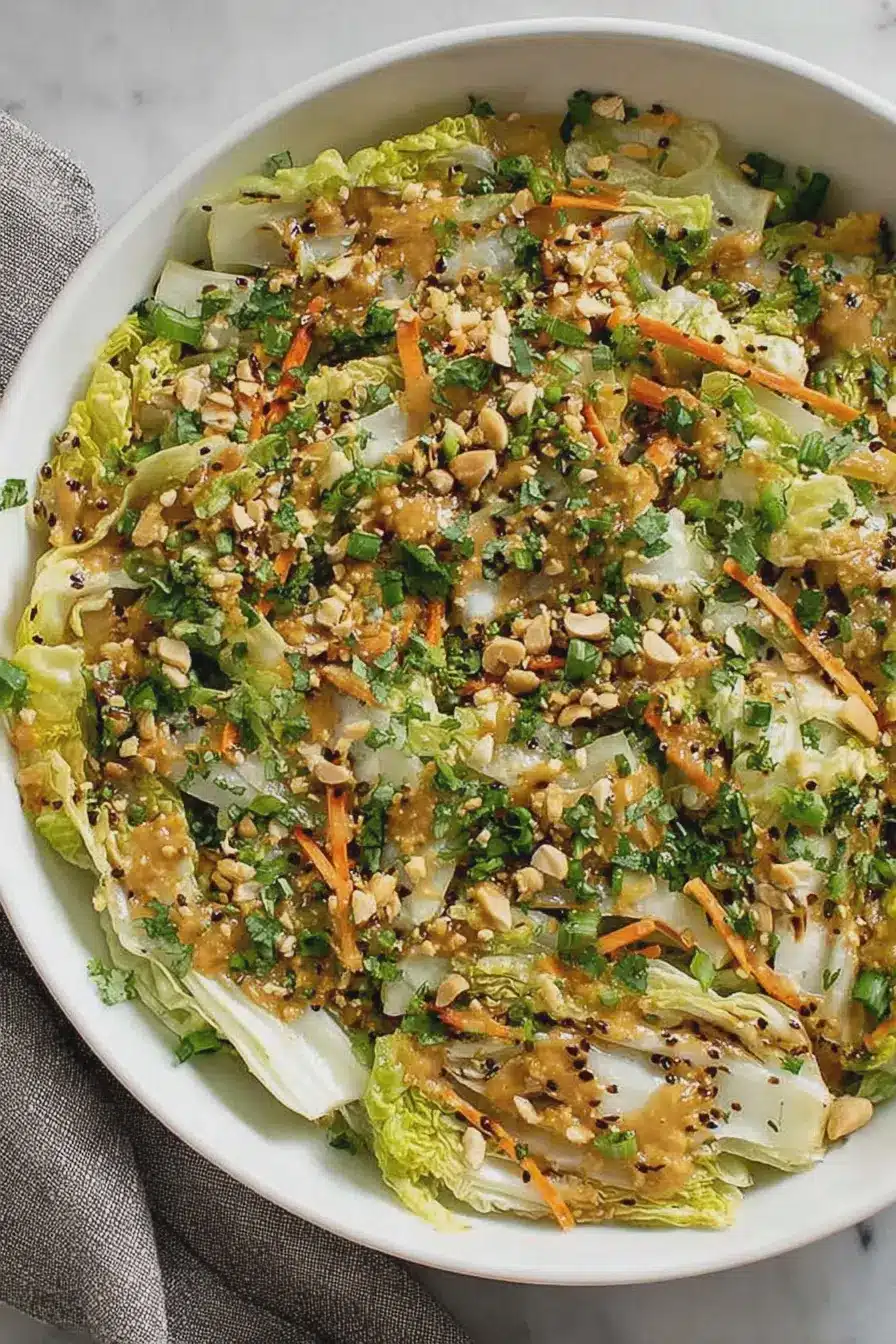
What I love most is the contrast: cool, crisp napa against a creamy peanut-ginger dressing, with chopped peanuts and sesame seeds for a toasty finish. It takes minutes to pull together and keeps its texture when stored properly, which is a game-changer on busy nights.
I’ll walk you through the quick technique I use to shred napa so every bite holds dressing and crunch, plus simple swaps for gluten-free or keto needs. I test small changes in my kitchen so you don’t have to—little tweaks make a big difference in texture and balance.
Why This Napa Cabbage Salad Is Perfect for Busy Weeknights
This salad is built for speed and for staying bright even after a few hours in the fridge. Prep time is just about ten minutes, and most of the ingredients are pantry staples or items you can find quickly at the store. The peanut-ginger dressing adds creaminess without weighing the greens down, and lime keeps the whole bowl lively.
Because napa cabbage has a tender yet sturdy leaf, it resists turning soggy—so you can prep components ahead and finish the salad when you’re ready to eat. Picture the vibrant white and pale-green leaves, thin orange ribbons of carrot, and green scallion streaks—there’s a freshness on the plate that feels like a real break from the day.
Everything You Need for Napa Cabbage Salad
Below I describe what each ingredient does and offer simple swaps so you can tailor the salad to your diet or what’s on hand. If you love crunchy cabbage recipes, you might also enjoy this take on a classic:
If you’re a fan of crunchy salads, check out The Best Coleslaw Recipe for more cabbage inspiration.
- Napa cabbage – The base: tender center leaves with a crisp bite. Swap with regular cabbage, romaine, or iceberg if needed.
- Carrots – Add color, natural sweetness, and crunch. Use pre-shredded carrots to save time.
- Scallions – Bring a mild onion note without overpowering the salad; chives work as a substitute.
- Cilantro – Adds a bright, herbal lift; parsley can be used if cilantro isn’t your thing.
- Peanuts (roasted, salted) – Provide crunch and a toasty counterpoint to the dressing; sub toasted almonds or sunflower seeds for nut-free options.
- Sesame seeds – A small sprinkle gives nuttiness and visual contrast; toasted sesame oil in the dressing can deepen that flavor.
- Peanut butter – Makes the dressing creamy and rich; use almond butter or tahini for variations or allergy swaps.
- Fresh ginger and garlic – Ginger gives zing and lift; garlic rounds the savory backbone. Mince finely so they blend smoothly into the dressing.
- Lime juice – Brings brightness and balances richness; rice vinegar is another acidic option.
- Soy sauce (or tamari) – Adds umami and salt; tamari is an easy swap for gluten-free needs.
- Neutral oil – Binds the dressing and helps it coat the cabbage. Use avocado oil or a light olive oil if preferred.
The Secret to the Perfect Crunch (and How to Shred Napa Right)
How you cut the cabbage dictates how the dressing clings and how the salad eats. I want every forkful to have both cabbage and a bit of other ingredients so the dressing tastes balanced rather than puddling.
- Remove any bruised outer leaves, then halve the head lengthwise through the core so it’s stable on the cutting board.
- Slice away the tough core wedge so the ribbons separate cleanly.
- With the leafy halves flat-side down, slice thin crosswise ribbons—aim for pieces thin enough to bend but thick enough to keep a satisfying snap.
- If you prefer a bit more texture, stack a few leaves and run a sharp knife through to create thinner, finer shreds; a mandoline or food processor can speed this up, but watch your fingers.
- Listen for the crisp sound as you shred—the slight snap tells you the cabbage is fresh and ready. If it sounds dull, the cabbage may be too old and will lack the desired crunch.
The One Ingredient That Makes the Dressing Pop
Peanut butter is the star that gives the dressing body and a creamy, nutty backbone. It balances the lime’s brightness and the soy’s saltiness while allowing fresh ginger to shine through. When I whisk the dressing in my kitchen, the aroma of ginger and garlic lifts first, then the rich nuttiness fills the bowl.
To adapt for dietary needs: use a nut-free seed butter if you have allergies, swap soy for tamari for gluten-free, or omit oil and thin with water or extra lime for a lighter version. Taste and adjust—if the dressing feels too thick, a splash of warm water loosens it; if it’s flat, add more acid or a pinch of salt.
How to Make Napa Cabbage Salad (Step-by-Step)
- Prepare produce: shred the napa cabbage, grate or shred the carrots, thinly slice the scallions, and finely chop the cilantro so flavors distribute evenly.
- Make the dressing: whisk peanut butter, minced ginger, garlic, lime juice, soy sauce (or tamari), a pinch of salt and pepper, and oil until smooth. Adjust brightness with more lime or salt to taste.
- Combine mix-ins: toss the shredded cabbage, carrots, scallions, cilantro, peanuts, and sesame seeds in a large bowl so textures are evenly spread.
- Dress to serve: add the dressing gradually, tossing as you go so each ribbon is lightly coated—start with less dressing and add more if you want it saucier.
- Taste and finish: check for salt, acid, and heat; a little extra lime or soy can balance things. Serve immediately for peak crunch.
Pro Tip for napa cabbage salad: Keep the Dressing Separate Until Serving
- Make the dressing ahead and store it in a sealed jar in the fridge; this saves time and ensures flavors meld without soggy cabbage.
- Store shredded cabbage and other solids in an airtight container separately—this preserves the crisp texture. Only dress the portion you plan to eat right away.
- If you need a ready-to-go meal, pack dressing on the side and toss just before eating to keep the salad lively and crunchy.
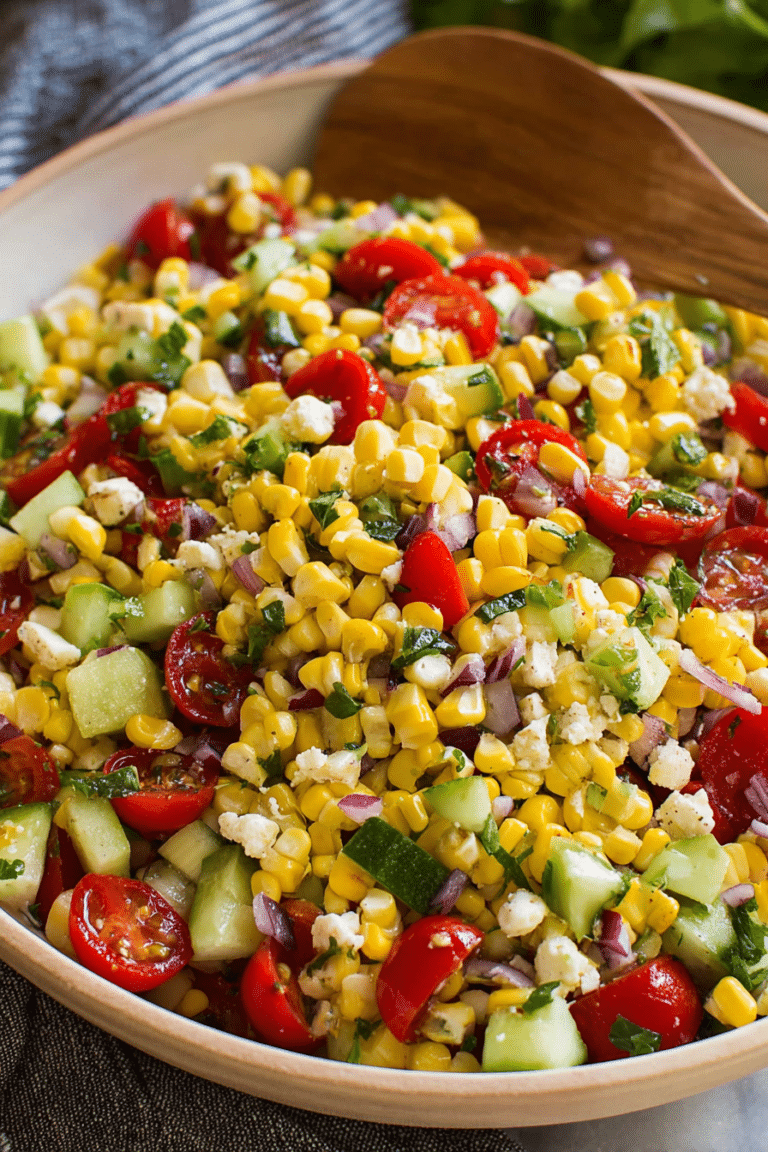
Pair this salad with a light side for an easy meal: Refreshing Corn Salad complements it well when you want variety on the table.
Quick Make-Ahead and Meal-Prep Options
This salad holds up well for meal prep if you store components correctly. Below I list quick options, troubleshooting pointers, and variations as scannable bullets to help you plan a week’s worth of lunches.
- Make-ahead strategy – Prep the cabbage, carrots, scallions, and cilantro and keep them in separate airtight containers. Dress only the portion you’ll eat that day.
- Protein additions – Stir in grilled chicken, pan-seared tofu, or canned chickpeas when ready to serve for a complete meal that travels well.
- Grain bowls – Add cooked quinoa or farro at serving time to turn this into a heartier bowl without losing crunch.
- Troubleshooting – If the salad gets soggy, it’s usually from too much dressing or early mixing; rescue it by draining excess liquid, stirring in fresh shredded cabbage, and chilling before serving.
- Storage – Keep dressing in a small jar in the fridge for several days. Store chopped solids in a shallow container so cold air circulates and maintains crispness.
- Variations – Swap peanuts for toasted cashews, add thinly sliced bell pepper for color, or fold in mandarin segments for a touch of sweetness. For a Mediterranean twist, combine elements from other grain bowls to shift textures and flavors.
For another make-ahead meal option that travels well, try pairing flavors from this salad with a cold pasta dish like an Easy Greek Pasta Salad for lunch rotations.
How to Store, Reheat and Customize This Salad
Store prepped vegetables in airtight containers in the fridge; they’ll stay crisp for several days when kept cold and dry. Keep the dressing separate in the fridge and bring it to room temperature or shake well before using if the oil separates.
- Short-term storage – Prepped solids will last 3–4 days refrigerated if dry and sealed. Keep peanuts and sesame seeds separate until just before serving to preserve crunch.
- Reheating – This salad is best served cold or at room temperature; if you add cooked grains or proteins, reheat those separately and then toss with the chilled salad at serving.
- Customization – For gluten-free: use tamari instead of soy. For keto: skip the carrots or reduce them and increase the peanuts and protein. If you want more texture and heartiness, borrow ideas from grain bowls and mix in legumes or cooked grains at the last minute.
For a creative twist, consider incorporating elements from Mediterranean bowls to change the flavor profile and bulk up the salad when needed:
For a delightful twist, consider adding some elements from our Mediterranean-Style Grain Bowls to customize your salad.
Frequently Asked Questions
How long does it take to prepare the napa cabbage salad? This napa cabbage salad takes just 10 minutes to prepare, making it perfect for busy weeknights!
Can I make the dressing in advance? Absolutely! You can make the dressing ahead of time and store it in the fridge. Just remember to keep it separate until you’re ready to serve the salad.
What can I substitute for napa cabbage? If you can’t find napa cabbage, you can use regular cabbage or other crunchy greens like romaine or iceberg lettuce.
Is this salad suitable for meal prep? Yes! Napa cabbage holds up well, so you can prepare it in advance. Just keep the dressing separate until serving to maintain freshness.
What other toppings can I add to the salad? Feel free to customize your salad with toppings like sliced bell peppers, avocado, or grilled chicken for added protein!
Napa Cabbage Salad
Ingredients
Method
- Combine the cabbage, carrots, scallions, cilantro, peanuts and sesame seeds in a large bowl.
- For the dressing, whisk together the peanut butter, ginger, garlic, salt, pepper, lime juice, soy sauce and oil in a small bowl.
- Drizzle the dressing into the salad tossing to coat.