

I make this melty cabbage pasta carbonara when I want something comforting that doesn’t eat my evening. The cabbage stretches the meal so a little pasta goes a long way, and once the cabbage softens it folds into the sauce in a way that feels indulgent without a lot of fuss. In my kitchen it’s become the go-to for nights when time is short but you still want something cozy on the table.
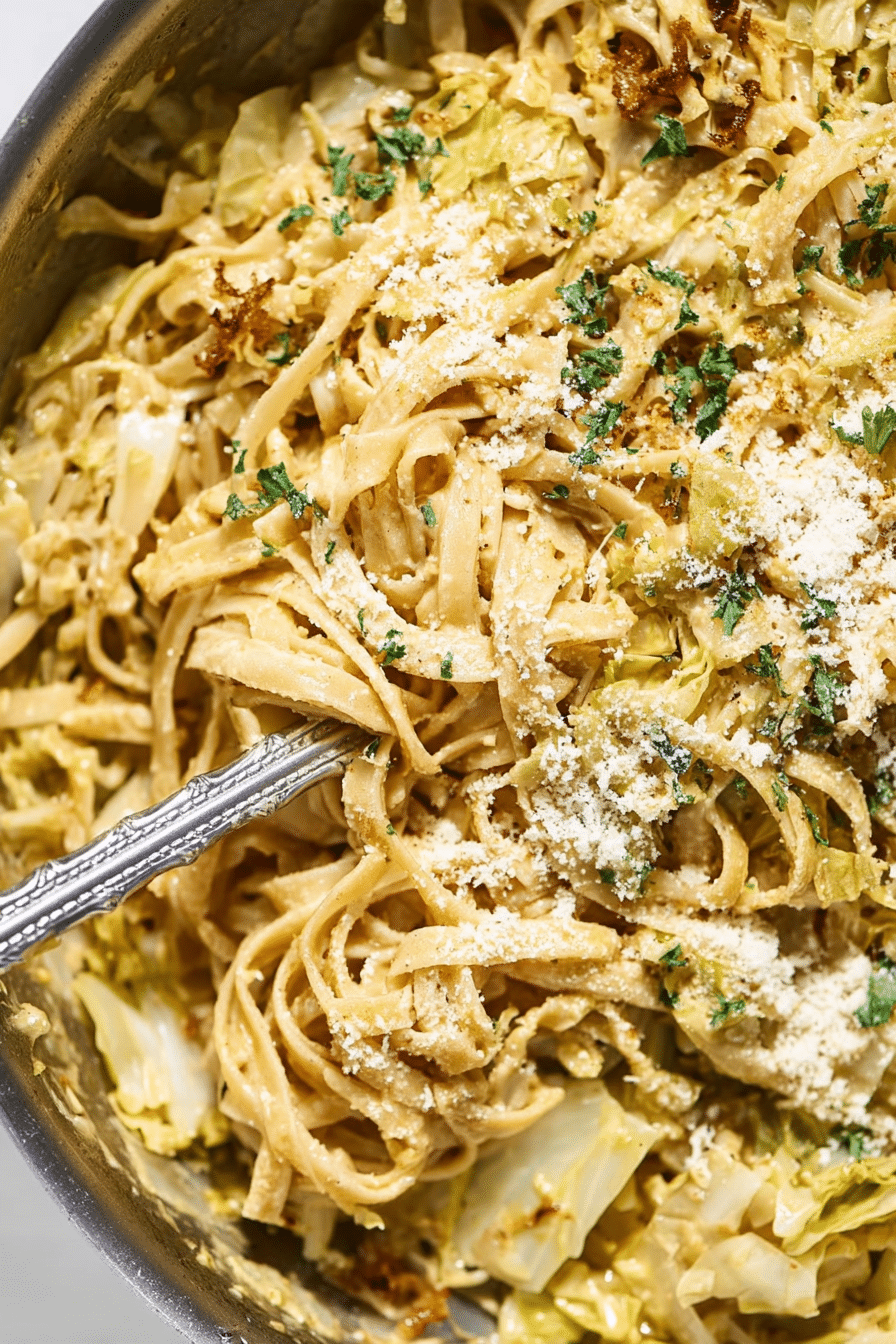
I love how the cabbage adds texture and a gentle sweetness as it caramelizes — that soft, glossy ribbon blends with the egg-and-cheese sauce so the finished plate feels creamy without adding cream. The anchovies (if you use them) melt away into a savory backbone that keeps the sauce from tasting flat, while lemon brightens everything so the dish never feels heavy.
This recipe is designed for busy cooks: mostly one skillet for the cabbage and sauce, a pot of boiling water for the pasta, and a simple egg-and-cheese emulsion that comes together in minutes if you time it right. I’ll walk you through the small technique points that make the difference so your eggs stay silky and the cabbage truly melts into the pasta.
Why Melty Cabbage Pasta Carbonara Is the Weeknight Dinner You Need
This version solves two common weeknight challenges: time and satiety. Cabbage cooks down quickly and adds bulk and fiber, so you get a generous plate from fewer pantry staples. The whole dish comes together in about 40 minutes and mostly uses ingredients you likely already have — pasta, eggs, cheese, and a humble head of cabbage.
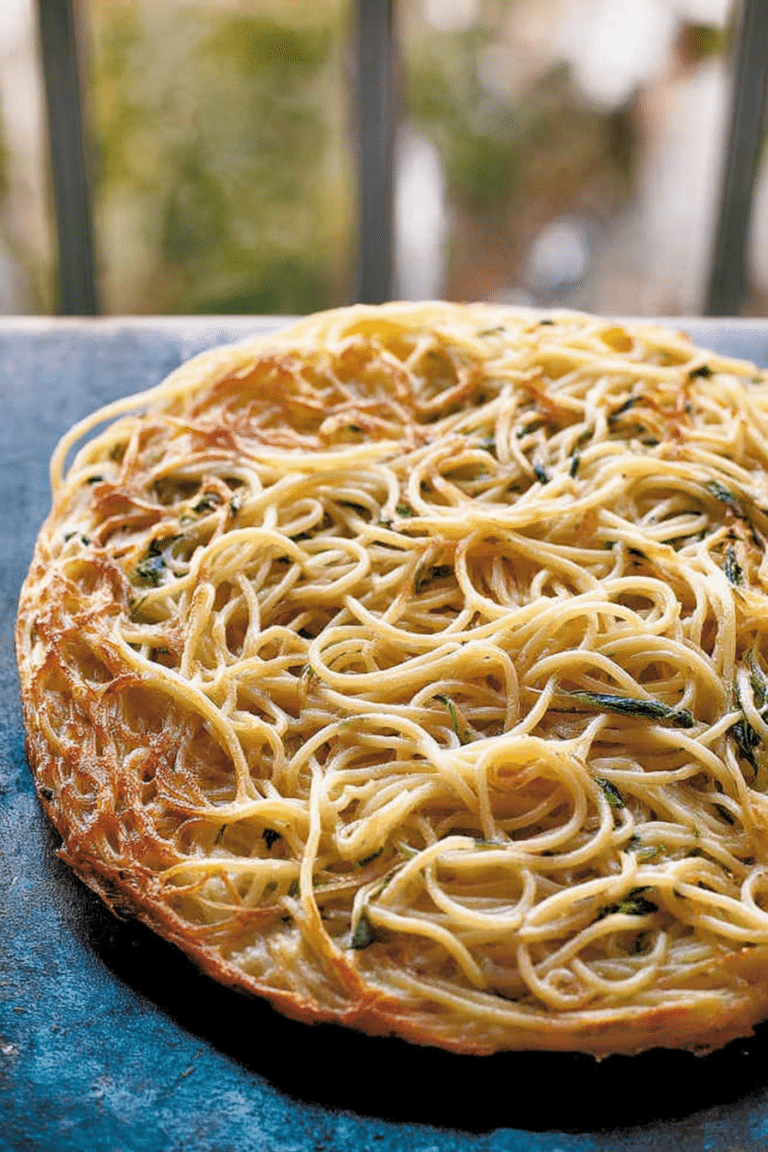
Think about the sensory payoff: you should see glossy, pale-golden cabbage ribbons clinging to strands of pasta; smell a subtle savory note from anchovies and Pecorino; and feel the sauce coat the pasta with a silky mouthfeel. It’s an efficient, satisfying bowl that feels richer than the work required.
Everything You Need for Melty Cabbage Pasta Carbonara
- Cabbage – The star substitute for half your pasta; choose a firm green cabbage for sweet, tender ribbons when caramelized.
- Spaghetti or long pasta – A long shape traps and showcases the cabbage ribbons; use a gluten-free long noodle if needed.
- Eggs & egg yolks – Create the base of the sauce; they’re the emulsifying element that gives the dish its creaminess.
- Pecorino Romano (or Parmesan) – Adds sharp, salty richness; Pecorino gives a tangier finish while Parmesan is milder.
- Starchy pasta water – The secret binder; it loosens the eggs into a glossy sauce and helps everything cling.
- Anchovies – Optional but highly recommended for umami depth; if you skip them, increase salty-cheesy elements or use a splash of soy or miso.
- Lemon – Brightens the sauce and cuts through richness; use zest and juice for layered citrus notes.
- Olive oil – For sautéing and gently carrying the anchovy flavor into the cabbage.
- Black pepper – Coarsely ground for texture and a peppery lift against the creamy sauce.
How to Caramelize Cabbage So It Melts Into the Sauce
Caramelizing cabbage is low-and-slow work: you want to coax out its sugars and evaporate moisture so the ribbons become soft, sweet, and slightly golden without burning. Pay attention to moisture at the start — if your cabbage is wet from rinsing, let it drain well so the skillet gets hot and begins the browning process.
- Heat oil until shimmering, then add anchovies and press them to dissolve — this infuses the fat with savory flavor before the cabbage goes in.
- Add shredded cabbage and a pinch of salt, stir to coat, then cover and let it steam undisturbed for the first few minutes to soften quickly.
- Uncover, stir, and continue cooking over medium-low heat until most pieces are very soft and edges show pale gold; longer cooking time will deepen the sweetness.
- Watch for tiny golden flecks and a sweet aroma; if the cabbage starts to char too quickly, lower the heat and add a splash of pasta water to mellow the sear.
For a deeper understanding of the process, check out our guide on how to caramelize cabbage.
Eggs, Cheese & Starchy Water: The Trick for a Silky Carbonara
The carbonara sauce is an emulsion — eggs and cheese bound by starchy water. Temperature and timing are everything: too-hot and the eggs scramble, too-cool and they won’t thicken. Use the residual heat of the pan plus a little direct low heat only if needed, and always whisk starchy water into the eggs first so they warm gently and become fluid.
- Bring the eggs to room temperature if you have a few minutes; room-temp eggs are less likely to seize when mixed with hot pasta.
- Whisk cheese into the eggs to add salt and structure; the grated cheese melts into the warmed egg to create a richer texture.
- Stream a small amount of hot pasta water into the egg-cheese mix while whisking constantly — that tempering step raises the egg temperature slowly and creates a saucier consistency.
- Finish by combining pasta, cabbage, and the tempered egg mix off the highest heat and toss quickly; if the sauce seems thick, add more warm pasta water by the tablespoon to loosen it to your desired silkiness.
Anchovies and Umami: Small Ingredient, Big Flavor
Anchovies are a short, potent route to umami: they dissolve into the oil and provide a savory backbone without tasting fishy when used sparingly. That savory note lets you use less cheese while keeping the sauce deeply flavored.
- If anchovies make you nervous, try a small anchovy (or two) at first and cook them down into the oil — their flavor becomes savory rather than overtly fishy.
- Vegetarian alternatives include a splash of soy sauce, a little miso dissolved in cooking water, or a sprinkle of nutritional yeast for added savory depth.
- Always press anchovies against the pan with a wooden spoon so they break down into a paste; this distributes flavor evenly through the cabbage.
If you’re intrigued by anchovies, explore our collection of delicious anchovy recipes to amplify your dishes.
How to Make Melty Cabbage Pasta Carbonara (Step-by-Step)
- Bring a large pot of salted water to a rolling boil for the pasta.
- Heat oil in a large skillet over medium heat, add anchovies and their oil, and press them into a soft paste for about 1–2 minutes so they dissolve into the fat.
- Add thinly sliced cabbage and a pinch of salt, stir to combine, cover, and let steam briefly to soften; uncover and cook until the cabbage is very tender and slightly golden, stirring occasionally.
- While the cabbage cooks, add pasta to the boiling water and cook until just al dente; reserve a cup of pasta water before draining.
- Whisk eggs, egg yolks, grated cheese, black pepper, and a small pinch of salt in a bowl; then, while whisking, slowly stream in a few tablespoons of the reserved hot pasta water to temper the eggs.
- Turn off the pasta pot heat, transfer drained pasta to the skillet with the cabbage (a little water clinging to the noodles is fine), add lemon zest and lemon juice, then toss to combine and absorb some liquid.
- With the skillet on the lowest heat, slowly pour the tempered egg-cheese mixture into the center of the pasta while tossing constantly; add more warm pasta water as needed until the sauce becomes glossy and coats each strand.
- Remove from heat, taste for seasoning, and serve immediately with extra grated cheese and a final grind of black pepper.
Pro Tip for melty cabbage pasta carbonara: Prevent Scrambled Eggs Every Time
- I always temper the eggs with hot pasta water first so they’re warmed gradually and don’t seize when they hit the pasta.
- I keep the skillet on the lowest possible setting while I add the egg mixture and toss constantly — moving the pan helps avoid hot spots that scramble eggs.
- If you see the eggs starting to thicken too quickly, remove the pan from the heat and keep tossing off heat while adding a splash more starchy water.
- If the sauce is too thin, let the residual heat sit for a short moment while stirring; if it’s too thick, loosen with warm pasta water by the tablespoon until silky.
How to Store, Reheat, and Make Ahead Melty Cabbage Pasta Carbonara
Store cooled leftovers in an airtight container in the refrigerator for up to three days. For best texture, keep cooked pasta and cabbage together; the sauce will firm up in the fridge but can be revived gently.
- To reheat on the stovetop: warm a skillet over low heat, add the pasta and a splash of water or broth, and toss until warm and sauce loosens.
- To reheat in the microwave: heat in short intervals at medium power, stirring between bursts and adding a little water each time to prevent drying out.
- For make-ahead: cook the cabbage fully and refrigerate separately from the pasta if you prefer; finish by tossing with freshly tempered eggs and cheese right before serving to get the creamiest result.
Be sure to read about how to store leftover pasta for tips on maximizing your meal prep.
Easy Variations: Vegan, Gluten-Free, and Add-In Ideas
- Gluten-free – Swap in your favorite gluten-free long noodle and follow package cook times; use the same technique with starchy cooking water from the GF pasta.
- Vegan – Replace eggs with a silken tofu or cashew-based sauce and use nutritional yeast or a miso-sesame paste for savory depth; skip anchovies and boost lemon and salt to taste.
- More vegetables – Stir in quick-cooked peas, thinly sliced mushrooms, or roasted cherry tomatoes for color and seasonal variety.
- Protein add-ins – Finish with crisp pancetta or streaky bacon if you want a more traditional carbonara note; alternatively, add cooked white beans for a vegetarian protein boost.
For inspiration, check out some easy variations for pasta that cater to different dietary preferences.
Frequently Asked Questions
Can I make Melty Cabbage Pasta Carbonara without anchovies?
Yes! If you prefer a vegetarian version, you can omit the anchovies and add extra seasoning or nutritional yeast for a boost of flavor.
How do I know when the cabbage is caramelized properly?
The cabbage should be very soft and slightly golden. Take your time to let it cook down to develop that wonderful sweet flavor.
Can I prepare this dish ahead of time?
Absolutely! You can cook the pasta and cabbage ahead and store them separately in the fridge. Just reheat and toss with the sauce when you’re ready to serve.
Is there a gluten-free option for the pasta?
Yes! You can substitute the spaghetti with gluten-free pasta. Just be sure to adjust the cooking time according to the package instructions.
How do I store leftovers of Melty Cabbage Pasta Carbonara?
Store the leftovers in an airtight container in the fridge for up to three days. Reheat gently on the stovetop or in the microwave, adding a splash of water if needed.
Melty Cabbage Pasta Carbonara
Ingredients
Method
- Bring a large pot of water to a boil over medium-high heat.
- Heat olive oil in a large skillet over medium heat until shimmering. Add anchovy fillets and their oil. Cook until the anchovies dissolve into a loose paste, about 2 minutes.
- Add sliced cabbage and kosher salt. Stir well, cover, and cook for 5 minutes. Stir and cook for another 5 minutes. Uncover and continue to cook until the cabbage is very soft, about 5 more minutes.
- While cabbage is cooking, add spaghetti and remaining kosher salt to the boiling water. Cook according to package directions until just al dente, about 8 to 12 minutes.
- In a medium bowl, whisk together eggs, egg yolks, Pecorino Romano cheese, black pepper, and a pinch of kosher salt. Slowly stream in pasta cooking water while whisking constantly.
- Transfer spaghetti to the skillet, add some pasta water, lemon zest, and lemon juice. Toss until well-coated.
- While tossing, slowly pour egg mixture into the skillet and cook on the lowest heat until the sauce thickens and coats the pasta, about 1 to 2 minutes.
- Taste and season with more salt and pepper as needed. Serve immediately with chopped parsley, more grated Pecorino, and black pepper.