
The Oven-Baked Cauliflower Steak I Make Every Week
- Prep
- 10 min
- Cook
- 30 min
- Total
- 40 min
- Serves
- 4
- Calories
- 109 kcal
- Carbs
- 16.00 g
Introduction
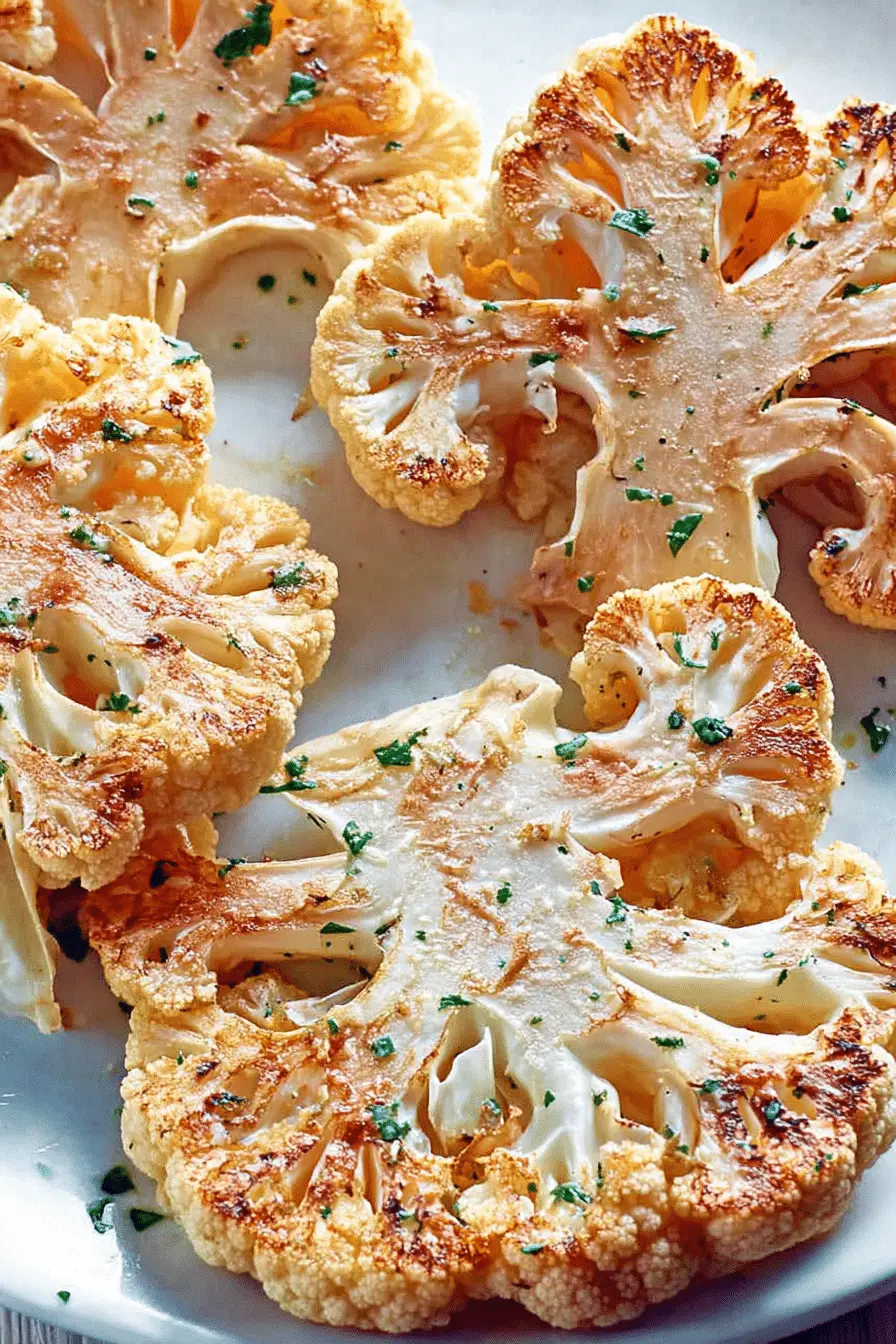
I started roasting cauliflower steaks the way I roast anything I want to turn into a satisfying, vegetable-forward side: high heat, a thin coat of oil, and a little patience. In my kitchen this simple method gives me a steak-like slice with a snug, caramelized crust while the core stays just tender enough to cut with a fork. Over the years I’ve learned a few small adjustments that make the difference between a limp slice and something to be proud of.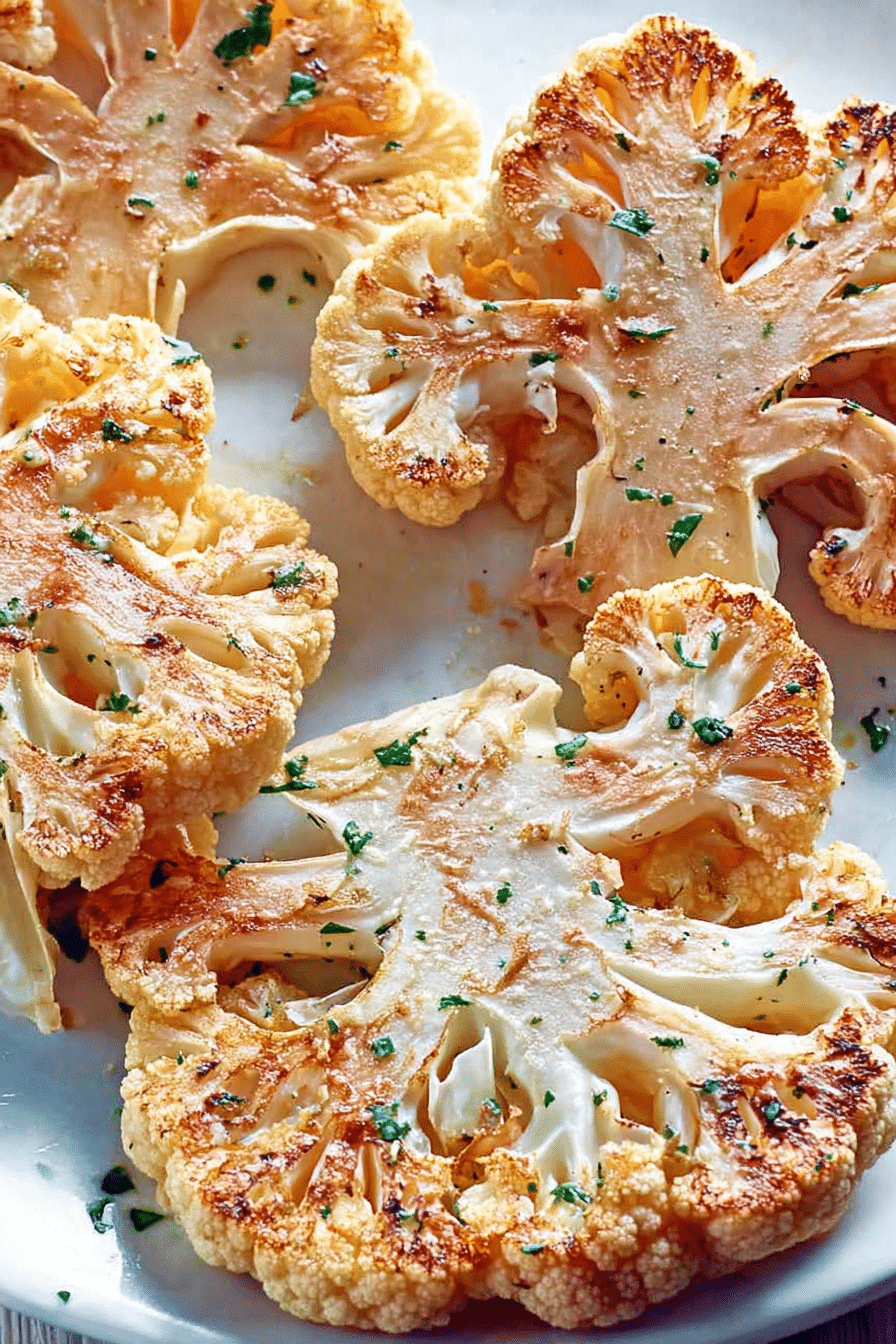
If you're a fan of vegetables, you might also enjoy our oven roasted cauliflower recipe.
Why this oven-baked cauliflower steak is perfect for health-conscious eaters
Roasting cauliflower this way delivers a lot of nutritional value with minimal fuss. The vegetable is naturally low in calories and carbs while packing fiber and vitamins — so a steak-sized slice feels filling without being heavy. The high-heat roast concentrates flavor, which means you rely less on heavy sauces and more on the vegetable’s own sweetness and char.
This recipe fits easily into Paleo, Keto (watch the total carbs if you’re counting strictly), and gluten-free diets. It’s also a great meat alternative when you want something substantial and textured on the plate. Visually, you’ll notice a golden-brown exterior and the fragrant aroma of toasted spices when you open the oven — those are the cues that tell you it’s ready.
Everything You Need for Oven-Baked Cauliflower Steak
Below I list the ingredients and tools I always keep on hand for this recipe, plus a few swaps and optional marinades to change the mood quickly.
- Olive oil spray – Helps coat the surface evenly without drowning the florets; use any neutral oil spray if preferred.
- Cauliflower heads – Choose firm, compact heads with a sturdy core so you can slice steaks cleanly; loose heads work fine for roasting as florets.
- Salt & pepper – Basic seasoning to enhance natural flavors; use kosher salt for even coverage.
- Garlic powder, paprika, coriander – A simple spice trio that adds warmth and depth; swap in curry powder, Italian seasoning, or smoked paprika for a different profile.
- Baking sheet and nonstick parchment – A rimmed sheet keeps juices contained and the parchment prevents sticking; a heavy sheet promotes even browning.
- Two wide spatulas – Essential for flipping whole steaks without breaking them.
- Optional: wire rack – If you want maximum airflow under the pieces to prevent steaming, roast on a rack above the sheet.
If you like bolder flavors, try a quick Asian-inspired marinade (a splash of soy, sesame oil, and citrus) or a spicy chili-garlic rub before roasting. I often use the outer slices and loose bits as simple roasted florets so nothing goes to waste.
The Secret to Crispy, Caramelized Edges
- High heat is your friend — it accelerates the Maillard reaction that gives those nutty, caramelized patches. I roast at a hot oven temperature to get that color without drying the center.
- Dry the cauliflower thoroughly before seasoning. Any surface moisture creates steam and prevents crisping.
- Use a light, even coating of oil on the exposed surfaces. Too much oil will puddle and make the edges greasy; too little and the crust won’t form.
- Flip once during cooking so both sides develop a crust. I flip when the bottom has a deep golden color and releases from the pan easily.
- Don’t crowd the pan — leave space so hot air can circulate around each steak for even browning.
Why Oven Temperature & Pan Size Matter for Browning
Browning depends on sustained high surface temperature and dry heat. A hotter oven shortens the time the cauliflower spends steaming in its own juices and increases the chance of a seared edge. The pan itself matters too: a heavy, rimmed sheet absorbs and radiates heat more evenly, while a narrow pan will crowd pieces and trap steam.
- Set the oven high so surfaces reach the temperature needed for caramelization.
- Choose a baking sheet that lets you space the steaks at least a finger-width apart for airflow.
- Check doneness with a fork: when the knife meets little resistance, the interior is tender; when the exterior is deeply browned, you’ve achieved the right contrast.
How to Keep Cauliflower Steaks from Getting Soggy
Most soggy results come from excess moisture or overcrowding. Here are practical steps I use every time to keep the texture right:
- Pat each slice dry with paper towels before seasoning to remove surface water.
- Spray or brush lightly with oil rather than dousing; this gives you a crisp exterior without greasiness.
- Space pieces on the sheet and roast in a single layer so hot air circulates beneath and around them.
- If you have a wire rack, roast the steaks on the rack over the sheet to let steam escape and encourage even crisping.
If you want another way to enjoy cauliflower that stays crisp, here’s a related idea:
For another delicious way to enjoy cauliflower, check out our buffalo cauliflower bites.
Troubleshooting
- I noticed limp centers? Try slightly thicker steaks next time and roast a bit longer at the same high heat so the interior finishes without losing exterior color.
- If the edges burn before the core is tender, reduce oven temperature a little and extend cooking time, or move the pan a rack lower in the oven.
- If the cauliflower sticks, make sure the pan and parchment are both dry and the pieces had at least a light coating of oil before going in.
How to Make Oven-Baked Cauliflower Steak (Step-by-Step)
- Preheat your oven to a high roasting temperature and prepare a large rimmed baking sheet with parchment or nonstick foil; spray the surface lightly with oil.
- Trim the cauliflower: remove outer leaves and trim the very bottom of the core while keeping it intact so you can slice steady steaks.
- Cut each head into thick slices to form steaks; expect some outer slices to fall apart — keep those pieces and roast them as florets alongside the steaks.
- Pat all slices and loose florets thoroughly dry with paper towels, then arrange them in a single layer on the sheet with space between each piece.
- Spray or brush the tops lightly with oil and season with half of your spice mix; slide the pan into the oven and roast until the bottoms are well browned (about the first timed interval).
- Remove the pan, flip the steaks carefully using two wide spatulas, respray the tops with a little more oil and finish with the remaining spices.
- Return to the oven and roast until the other side is browned and the steaks are fork-tender. Serve as soon as they’re done for best texture.
Pro Tip for oven-baked cauliflower steak: Flip & Re-Spray for Even Browning
- I always flip when the bottoms show a deep golden color and release easily from the pan — that first flip sets up a good crust on both sides.
- Respraying the tops after flipping gives you a renewed chance for browning without over-oiling the initial side.
- Time your flip so each side gets the bulk of its color without burning; you’re looking for a steady, even brown on both faces.
- Similar technique works well on other hearty vegetables — for example,
Similar to cauliflower, you can achieve great texture with cabbage steaks when cooked properly.
How to Store, Reheat, and Customize Oven-Baked Cauliflower Steak
To keep the texture as close to fresh as possible, store cooled steaks in an airtight container in the refrigerator. I separate layers with parchment if I’m stacking them to avoid steam buildup. They’ll keep well for a few days.
- Reheating in the oven or toaster oven – Returns the best crispness; reheat on a baking sheet at moderate heat until warmed through and edges re-crisp.
- Reheating in a skillet – A quick sear in a hot pan restores surface color and texture efficiently.
- Microwave – Fast but will soften the crust; use when texture is less important and you’re short on time.
Variations
- Spicy: add chili flakes or a harissa paste glaze after flipping for heat and color.
- Asian-inspired: brush with a soy-citrus-sesame glaze after roasting for a sticky finish.
- Herbed & nutty: finish with lemon zest, chopped parsley, and a sprinkle of toasted nuts for crunch.
Looking for a comforting vegetable-centered main or side to pair with these? Try serving with a layered vegetable casserole —
If you're looking for more vegetable recipes, our best vegetable lasagna is a wonderful option to try.
Serve the steaks right away, garnished with fresh herbs, a squeeze of lemon, or a light drizzle of tahini for extra richness. They make a satisfying, health-conscious centerpiece or a bright side on any plate.
Frequently Asked Questions
How do you cook cauliflower steaks in the oven?
Start by heating your oven to 425°F (220°C). Line a baking sheet with parchment paper, slice the cauliflower into steaks, season with olive oil and spices, and roast for 30-35 minutes. Don’t forget to flip them halfway through for even cooking!
What is the best cooking method for cauliflower steak?
The best method is to roast the cauliflower steaks flat on a baking sheet at 425°F. This allows for optimal browning and flavor development. Flip them halfway to ensure even cooking!
How long should I bake cauliflower at 400 degrees?
Bake the cauliflower at 400°F for about 30 minutes, until it's tender and golden brown. Make sure to stir occasionally for even cooking!
Why is my cauliflower steak soggy?
To avoid sogginess, make sure to dry the cauliflower thoroughly before seasoning and baking. Using parchment paper helps with moisture control too. Spray with oil instead of drenching to keep them crisp!
Can I customize the seasonings for the cauliflower steak?
Absolutely! Feel free to experiment with different spices or herbs to suit your taste. Some great options include curry powder, Italian seasoning, or even some grated Parmesan for added flavor.
Recipe Card
The Oven-Baked Cauliflower Steak I Make Every Week
- Prep
- 10 min
- Cook
- 30 min
- Total
- 40 min
- Serves
- 4
- Calories
- 109 kcal
- Carbs
- 16.00 g
Ingredients
- 2 mediumcauliflower heads
- 1 teaspoonDiamond Crystal kosher salt
- 1/2 teaspoonblack pepper
- 1 teaspoongarlic powder
- 1 teaspoonpaprika
- 1 teaspooncoriander
- —Olive oil spray
Instructions
- 1
Preheat the oven to 425°F. Line a large, rimmed baking sheet with nonstick foil or high-heat-resistant parchment paper and spray it with olive oil.
- 2
Wash the cauliflower heads, remove the outer leaves, and trim the very bottom of the core, keeping the core intact. Slice each cauliflower head into 3/4-inch-thick slices.
- 3
Use paper towels to dry the cauliflower slices and florets. Arrange them in a single layer on the baking sheet. Spray their tops with olive oil and sprinkle them with half the seasonings.
- 4
Bake the cauliflower slices for 15 minutes. Remove them from the oven, carefully flip them using two wide spatulas, spray them with more oil, and sprinkle them with the remaining spices.
- 5
Return the cauliflower to the oven and bake it until browned and fork-tender, 10-15 more minutes. Serve immediately.
You might also like
Reviews
Be the first to review this.