

I first fell for butterfly pea flower tea because of the color — a pure sapphire that feels like a photograph of a tropical sky. In my kitchen I wanted the same thing to taste as good as it looks, so I spent a few afternoons testing boba textures, coconut ratios, and steep times until the drink felt like a chilled, sippable dessert. Along the way I learned which shortcuts keep the pearls chewy and which choices flatten the visual pop.
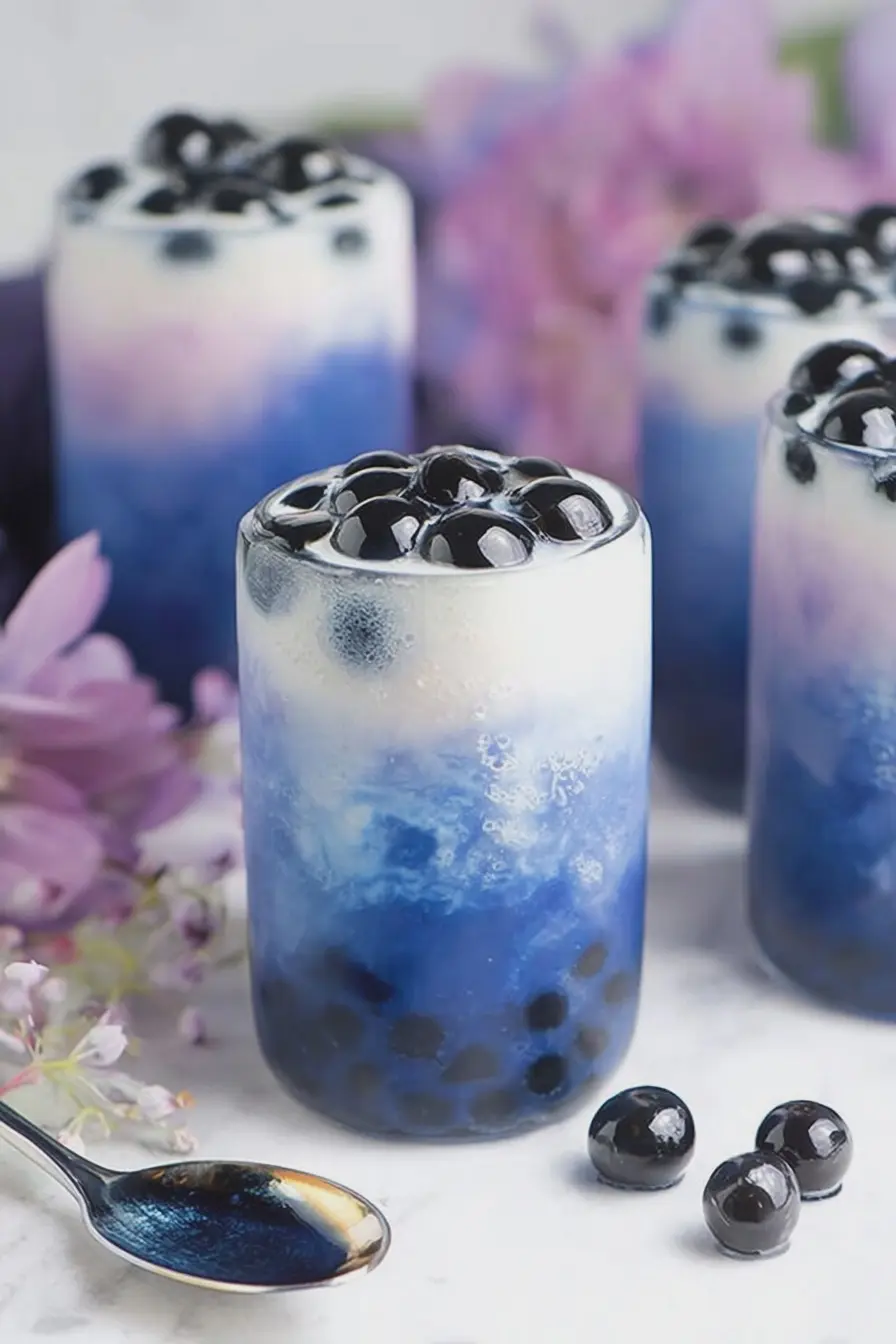
Pouring this tea into a glass feels theatrical: the deep blue meets the creamy coconut and the crushed ice refracts both. I like serving it at small gatherings because it’s easy to make ahead, and guests always comment on the color shift when you add a squeeze of citrus. The drink reads Southeast Asian in spirit — boba tea culture comes from Taiwan and has been adapted and loved across the region — but the coconut turns it into an island-style refresher.
In the notes that follow I’ll walk you through the practical parts: what to buy, what to do to keep pearls bouncy, how long to steep the flowers, and how to balance the sweetness so the coconut cream stays silky without being cloying. I’ve also included ways I’ve played with colors and small tricks that saved me time when I was making a pitcher for friends.
Sip-Worthy and Story-Ready: Why Coconut Butterfly Pea Flower Boba Tea Is Perfect for Home Bartenders
This drink stands out for three reasons: visual drama, textural contrast, and crowd-friendly prep. The sapphire hue from dried butterfly pea flowers is immediately attention-grabbing; paired with glossy, chewy boba and a rich coconut cream, the result reads like a dessert you can sip. For home bartenders, it’s a great showpiece — it photographs well, scales easily for a small party, and offers multiple points where you can personalize flavor and presentation.
Sensory notes: expect a fresh floral aroma from the tea, a cooling sensation from crushed ice, a creamy mouthfeel from the coconut, and a satisfying chew from each brown-black pearl. The combination feels refreshing and indulgent at the same time — perfect on a warm afternoon or as a playful finale after a casual meal.
Everything You Need for Coconut Butterfly Pea Flower Boba Tea
Below I run through the ingredients and tools in a conversational way so you know why each item matters and what to swap if needed. When I list options, you should choose based on the flavor and texture you want in your final drink.
- Simple syrup – Provides even sweetness and helps the boba stay glossy when they rest in syrup. You can use a natural sweetener instead if you prefer.
- Coconut extract – A concentrated boost of coconut aroma for the syrup. If you don’t have it, vanilla extract will soften the profile without overpowering.
- Boba (tapioca pearls) – The chewy center of the drink; quick-cooking pearls speed things up. Freshly cooked is best for texture.
- Dried butterfly pea flower buds – The blue pigment source. Steeped correctly they give flavor and that signature sapphire hue.
- Coconut milk – Builds the creamy base. Use full-fat canned coconut milk for richness or a lighter canned option for a less heavy finish.
- Sweetened condensed milk – Adds sweetness and silkiness; it’s central to the drink’s dessert-like texture. For a vegan route, substitute a plant-based condensed-style product.
- Crushed ice – Keeps the drink cold and creates layers visually; larger, clear ice chunks will make the colors peek through differently than crushed ice.
- Tools – A large pot for boiling pearls, a fine mesh sieve for tea, a whisk or jar for mixing cream, bubble tea straws or long spoons for serving.
Sensitivity and quality notes: choose a good-quality canned coconut milk rather than an ultra-thin carton if you want the luxuriously silky mouthfeel. If you need a lower-sugar option, reduce the simple syrup and increase the strength of the butterfly pea infusion so the drink stays flavorful.
The Secret to Bouncy, Chewy Boba Pearls Every Time
Perfect pearls are all about timing, agitation, and finishing in syrup. I learned that the difference between pleasantly chewy and gummy comes down to those few minutes in the pot and an intentional cooling step in sweet syrup so the pearls absorb flavor and remain supple.
- Bring plenty of water to a rolling boil; add pearls and stir gently to prevent sticking.
- Cook according to the package time, watching for when the pearls float — that’s your visual cue.
- After the active boil, let the pot rest with the lid on for a short hold to let heat penetrate evenly.
- Drain and briefly rinse pearls in cool water to stop carryover cooking, then transfer directly into warm simple syrup to infuse sweetness and keep them from clumping.
- Cool pearls completely in syrup before using; chilled syrup helps them maintain chew without becoming tough.
Pro Tips for perfect boba every time:
- Use a deep pot with ample water so pearls can move freely while boiling.
- Stir gently but consistently during the first minute after adding pearls to prevent sticking.
- Don’t skip the syrup soak — it’s as important for texture as it is for taste.
- If pearls are too hard after cooling, they were undercooked; give them a few minutes back in boiling water. If they’re mushy, they were cooked too long.
Troubleshooting (I speak from experience):
- I’ve overcooked pearls by leaving them boiling too long — a quick rescue is to rinse them cold and shorten the next batch’s cook time slightly.
- I once found my pearls clumped; that was because I skipped the warm syrup transfer. Always move pearls to syrup immediately after rinsing.
- If pearls seem to harden in the fridge, bring them back to room temperature in syrup or briefly reheat in hot water before serving.
How Butterfly Pea Flower Tea Works: Color, Acidity, and Timing
Butterfly pea flower contains anthocyanin pigments that yield a striking blue when steeped in hot water. The color is pH-sensitive — add an acidic element like lemon or lime and the blue shifts toward purple or magenta. That chemical responsiveness is what makes the tea fun to serve: a tiny squeeze of citrus becomes a mini visual experiment in the glass.
- Steep time controls intensity: shorter steeps give a paler blue with a lighter floral note; longer steeps deepen the sapphire and introduce a subtle earthy roundness.
- To maintain bright color, brew the tea separately and keep citrus away until serving unless you want the purple shift.
- Butterfly pea flower is high in antioxidants; some studies suggest potential benefits related to inflammation and skin health, though it’s mostly enjoyed for its flavor and spectacle.
For a refreshing twist, consider complementing your coconut butterfly pea flower boba tea with our Butterfly Pea Tea Lemonade. It’s a great illustration of how acidity and sweetness work with the flower’s color chemistry.
Balancing Sweetness and Coconut Cream for a Silky Finish
Balancing here is about texture as much as sugar. The sweetened condensed milk pulls the coconut base toward a caramelized sweetness and adds body; coconut milk provides the fat that reads as silk on the palate. If you lean too heavy on condensed milk the mixture will feel cloying, and if you use too little the drink can taste watery beneath the tea.
- Use condensed milk to add both sweetness and viscosity — it rounds out the coconut and keeps the cream from separating on ice.
- Full-fat canned coconut milk will yield a richer mouthfeel; lighter canned or carton coconut milk will give a thinner texture.
- For lower-sugar options, reduce the simple syrup and increase the brewed-tea concentration; you can also try a natural sweetener in the syrup.
- For a different profile, swap condensed milk for a plant-based condensed alternative to keep things vegan while retaining creaminess.
If you’re a fan of coconut flavors, check out our Coconut Cooler for another delicious coconut-based drink.
How to Make Coconut Butterfly Pea Flower Boba Tea (Step-by-Step)
Follow these steps in order. I recommend prepping the simple syrup and the coconut cream ahead of time so the assembly is quick and confident — you’ll spend most of your time on boba and steeping the tea.
- Make simple syrup: Combine water and sugar, bring to a simmer until sugar dissolves, then stir in coconut extract. Chill.
- Cook the boba: Boil a large pot of water, add pearls, and stir gently until they float. Continue boiling for the package-specified time, then rest off heat with the lid on. Drain, rinse briefly in cool water, then transfer pearls to warm simple syrup to soak and cool completely.
- Steep the butterfly pea flowers: Pour boiling water over the dried buds and steep uncovered until the liquid is a deep sapphire blue. Strain and chill the tea.
- Make the coconut cream: Whisk coconut milk and sweetened condensed milk until smooth and glossy; chill until ready to assemble.
- Assemble each glass: Spoon pearls into the bottom of a glass, add coconut cream about one-third up, fill with crushed ice, then pour the chilled butterfly pea tea over the ice. Serve with a straw and stir before sipping.
Presentation note: for a layered visual, pour the coconut cream first, then the ice, then the tea. If you want the magic color-change moment, serve a small wedge of citrus on the side so guests can add it themselves.
For a unique experience, try our Blue Butterfly Pea Flower Latte as a variation of this boba recipe — it shows another way to pair the flower with milk for a creamy beverage.
Pro Tip for Coconut Butterfly Pea Flower Boba Tea: Maximize Color & Nutrients
Note to the reader/writer: Generate the “Pro-Tips,” “Troubleshooting,” and “Variations” sections as bulleted lists for high scannability.
- Layer colors by chilling the coconut cream and tea separately; add the cream to the glass first, then ice, then tea for a clean separation.
- Add herbs or fruits for freshness: a sprig of mint, a thin slice of pineapple, or a few raspberries not only add flavor but also visual contrast.
- Use clear, large ice cubes if you want the tea to flow more slowly through the glass — crushed ice creates immediate melting and faster blending of layers.
- To preserve more antioxidants, brew the tea at slightly lower temperatures and avoid over-steeping; a cooler, longer steep can extract color with less bitterness.
Storage, Make-Ahead Tips, and Creative Flavor Swaps
Planning ahead makes this drink party-friendly. I often prepare the syrup, steep the tea, and mix the coconut cream a day ahead; boba pearls are best the same day they’re cooked but can rest in syrup in the fridge for a short window. When you’re serving a crowd, pre-chill all components and assemble to order so the pearls stay chewy and the visual layers hold.
- Store brewed butterfly pea tea in the refrigerator for several days; keep citrus away until serving to prevent color shifts.
- Keep cooked pearls in their sweet syrup in the fridge, and bring them back to room temperature or briefly reheat before serving if they become firm.
- Make the coconut cream ahead and keep it chilled; whisk again before assembling if it separates slightly.
- Flavor swaps: try adding a splash of pandan extract for a green aroma, use mango purée for a tropical twist, or replace simple syrup with honey for a different sweetness profile.
For a refreshing alternative during hot days, consider preparing a Mint Lemonade Slushie for your gatherings — it’s a great palate cleanser between sweeter sips.
Frequently Asked Questions
Can I use other types of tea instead of butterfly pea flower tea? Yes, you can experiment with other herbal or flavored teas. However, the vibrant color and unique flavor of butterfly pea flower tea is what makes this drink special.
How long do the boba pearls last after cooking? Boba pearls are best eaten the same day they are made, but they can be stored in their syrup in the refrigerator for a short time if needed.
Can I make this recipe vegan? Absolutely. You can replace the sweetened condensed milk with a plant-based alternative and ensure the coconut milk is dairy-free.
What can I use instead of coconut extract? If you don’t have coconut extract, you can use vanilla extract for a different but still delicious flavor, though it will change the taste profile slightly.
Is this drink suitable for children? Yes, Coconut Butterfly Pea Flower Boba Tea is a fun and colorful drink that children can enjoy, just be mindful of the sugar content!
Coconut Butterfly Pea Flower Boba Tea
Ingredients
Method
- Make the simple syrup by combining water and sugar in a microwave-safe bowl, heating until dissolved, then stir in coconut extract and cool.
- Boil water in a large pot, add boba, cook until pearls float, cover, then let stand before rinsing and cooling in simple syrup.
- Steep butterfly pea flower buds in boiling water for 10-15 minutes, strain and cool the tea.
- Mix coconut milk with sweetened condensed milk until smooth.
- Assemble by adding boba, coconut cream, crushed ice, and butterfly pea flower tea in a glass.