

I first started making probiotic gummies because I wanted an easy way to get live cultures into my family’s routine without relying on pills. After a few experiments in my kitchen I learned which textures kids actually liked, how to keep the cultures alive, and which flavor mixes hold up best after chilling. These became my go-to for quick breakfasts and lunchbox treats.
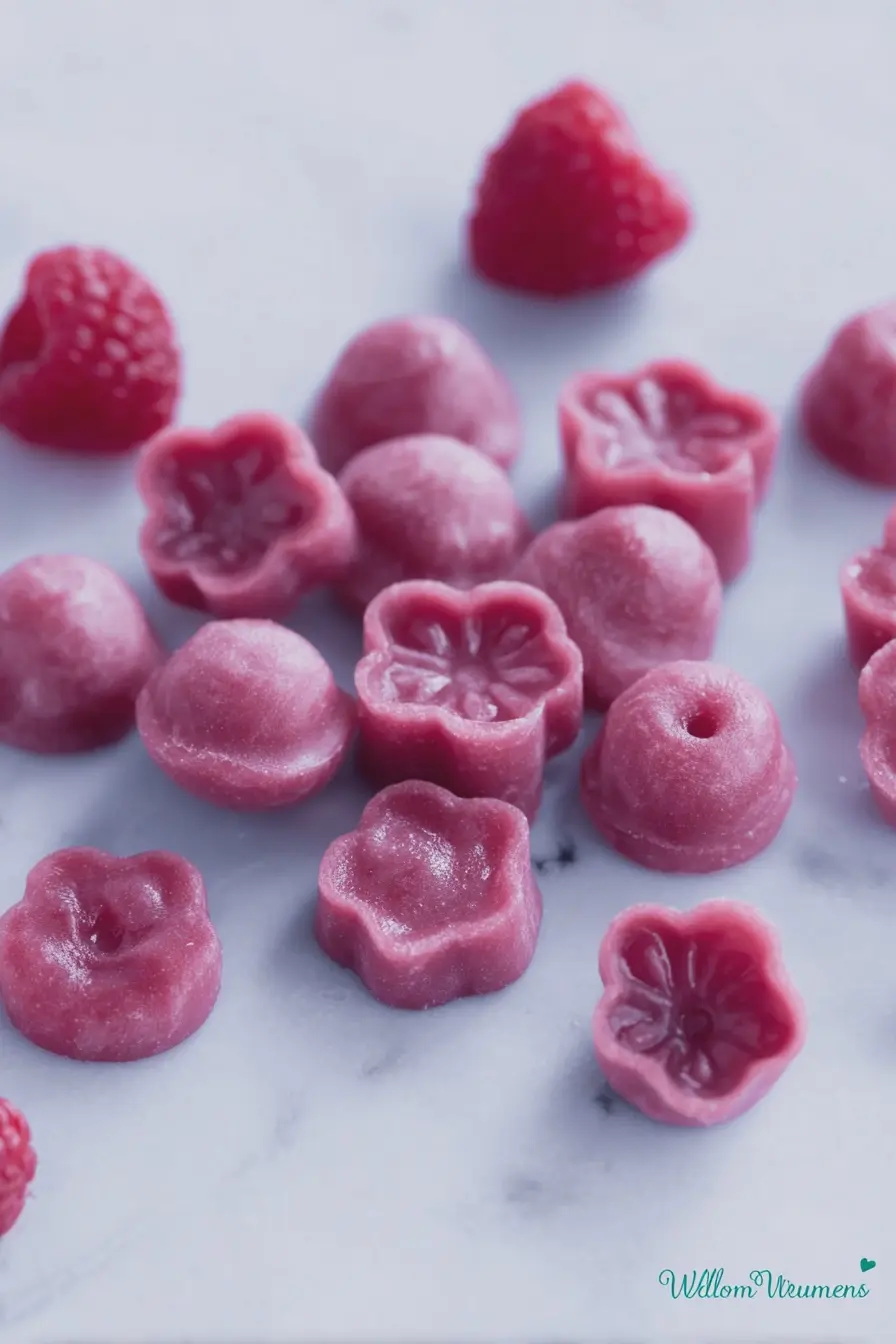
In my kitchen the process is simple enough for a weeknight and flexible enough to suit different dietary needs. I like a bright berry color and a slightly chewy texture that still feels soft when you bite in — the contrast between the creamy yogurt base and the jelly gives each gummy a pleasant mouthfeel.
I’m writing this from the perspective of someone who’s tested temperatures, gelatin varieties, and probiotic sources so you don’t have to. I’ll explain why each ingredient matters for gut health, how to protect the live cultures, and the small technique notes that make these set perfectly every time.
Why Probiotic Gummies Are the Easy Gut-Boosting Snack
Probiotics help support a balanced gut flora, which can influence digestion, immune response, and even mood. Gummies deliver those live cultures in a form that is portable, appealing, and easy to portion — especially handy for busy mornings or quick snacks between meetings and activities. Because they can be made from whole-food ingredients like yogurt or kefir and real fruit, they offer more nutritional value than many store-bought gummy snacks.
They are also highly customizable: you can change the fruit, the sweetness, and the probiotic base to match taste preferences and dietary needs. Visually, colorful gummies are inviting — bright reds and purples from berries make them look like a treat, while their soft-but-chewy texture makes them satisfying without being overly sticky.
Everything You Need for Probiotic Gummies
Below I list the core ingredients and tools I use most often. When I describe ingredients I focus on purpose and substitutions so you can adapt the recipe to what you have on hand.
- Frozen or fresh berries – Provide natural color, flavor, and a source of pectin; swap with other fruit purees if you prefer.
- Plain yogurt (or kefir) – The probiotic carrier. Choose a live-culture plain yogurt or drinkable kefir; for a thinner set use kefir, for creamier gummies use thicker yogurt.
- Fruit juice – The liquid base and flavor driver; opt for 100% juice without added sugar or preservatives for best results.
- Gelatin – Sets the gummies. Use high-quality gelatin (blooming gelatin) for a clean texture; for vegetarian swaps see the Dietary Swaps section.
- Sweetener – Honey or a neutral sweetener balances tartness; omit or reduce if your juice is already sweet.
- Tools – Blender, small saucepan, silicone molds or a shallow dish, and a whisk. Silicone molds give the best presentation and easiest release.
Sensory note: the scents of fresh berries and tangy yogurt are immediate and reassuring when you prepare these. The texture of thawed berries is soft and pulpy — that gives the gummies an honest, fruit-forward profile.
Why These Ingredients Matter for Gut Health
Probiotics from yogurt and kefir introduce live beneficial bacteria that can help maintain microbial diversity in the gut. Whole-food sources like these come with nutrients and prebiotic fibers that support those bacteria. Gelatin itself doesn’t provide probiotics, but it creates the environment (a stable, refrigerated matrix) that preserves them until you eat the gummies.
Compared with supplements, natural probiotic foods often provide multiple strains and a food matrix that may improve survival through the digestive tract. That said, strain-specific effects still matter — not every strain yields the same benefit — which is why choosing a starter culture with documented strains is useful for targeted outcomes.
If you want to read about other food-based probiotic examples and how fermentation supports gut health, consider exploring recipes that showcase lacto-fermentation techniques for context and inspiration.
Learn more about gut-friendly recipes by exploring a lacto-fermented salsa recipe, which demonstrates how beneficial microbes are incorporated into simple foods.
Choosing Yogurt, Kefir, and Probiotic Strains That Work
When selecting a yogurt or kefir for these gummies, look for products labeled with live and active cultures and a list of strains. Strains commonly associated with digestive benefits include Lactobacillus rhamnosus, Bifidobacterium lactis, and Lactobacillus acidophilus. Each has different strengths: some support antibiotic-associated diarrhea prevention, others help with general gut comfort. The literature shows strain-specific effects, so if you have a specific health goal it’s worth choosing a product that lists the strains and CFU counts.
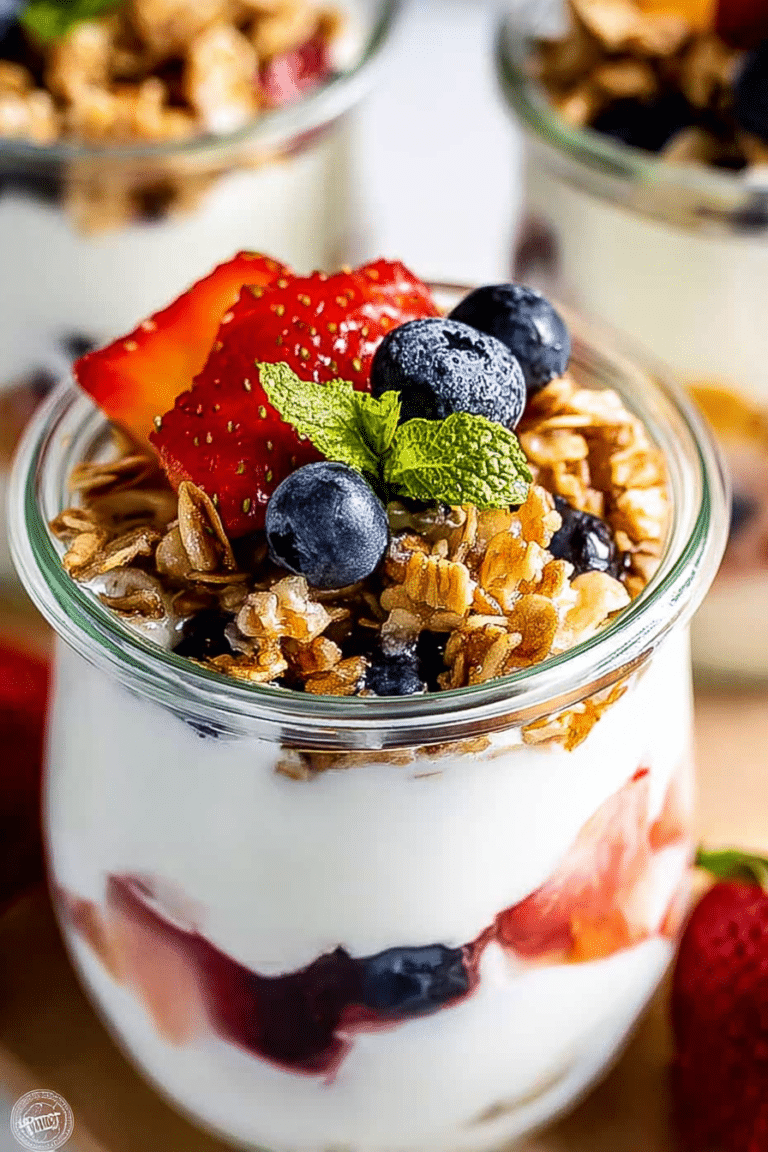
Texture and flavor differences: yogurt gives a thicker, creamier texture and a milder tang; kefir is more liquid and tangy, which yields a lighter, more jiggly gummy. If you want a familiar breakfast-style flavor, try incorporating your favorite plain yogurt into smoothies or parfaits like a yogurt parfait to get used to a particular strain’s flavor profile.
For a breakfast pairing that also contains probiotics, try a Greek yogurt parfait recipe to understand how different yogurts taste and feel in simple preparations.
The Secret to the Perfect Texture: Soft but Chewy Gummies
The texture comes from three factors: the type of gelatin, the blooming process, and temperature control when combining ingredients. Use gelatin that blooms (it should be sprinkled into cool liquid and allowed a few minutes to hydrate) — that step is non-negotiable for an even set. Overheating the yogurt will thin the texture and can damage live cultures, so add warm liquid to the bloomed gelatin rather than heating the yogurt directly.
Smell and touch cues: the mixture should smell fruity and slightly tangy; when it cools in molds the surface should be shiny and slightly springy to the touch. If it is brittle, you used too much gelatin; if it never firms, you added too much liquid or not enough gelatin.
How to Make Probiotic Gummies (Step-by-Step)
- Make sure any frozen fruit is fully thawed and drained so excess water won’t dilute the set.
- Blend your fruit with the yogurt or kefir until smooth; stop on low once incorporated to avoid overheating the mixture.
- Pour a portion of the juice into a cool bowl and sprinkle the gelatin over the surface; let it bloom undisturbed for several minutes.
- Warm the remaining juice on the stove until it simmers lightly, remove from heat, and dissolve any sweetener into the warm juice.
- Pour the warm juice over the bloomed gelatin and whisk until completely dissolved and glossy.
- Immediately add the warm gelatin-juice to the blender with the fruit and yogurt and pulse on low until just combined — avoid high heat from long blending.
- Pour the mixture into silicone molds or a greased shallow dish and refrigerate until fully set; small molds set faster than a large dish.
- Once set, pop gummies from molds or cut into pieces if set in a dish, then chill briefly before serving for best texture.
If you want additional gummy ideas and flavor inspiration, check out a homemade sour watermelon gummies recipe for a different approach to shaping and flavoring treats.
Check out a recipe for homemade sour watermelon gummies for additional gummy inspiration.
Pro Tip for Probiotic Gummies: Preserve Live Cultures During Prep
- I always make sure the yogurt or kefir is at room temperature before combining; adding it to hot liquid is the fastest way to kill the cultures.
- Whenever possible, dissolve gelatin in warm (not boiling) liquid and cool it slightly before adding the probiotic base.
- If you need to heat the juice, do it separately and then let it cool briefly; then combine with the bloomed gelatin to preserve structure and cultures.
- For an extra-safe option, you can fold in a small amount of room-temperature probiotic powder or a spoonful of yogurt after the mixture cools — but be mindful of product instructions and CFU counts.
Troubleshooting
- Gummies are too soft: Check gelatin quality and blooming time; next batch increase gelatin slightly or reduce added liquid.
- Gummies are rubbery or too firm: You likely used too much gelatin—reduce the gelatin proportion or increase the fruit/yogurt ratio.
- Mixture separates or looks curdled: The yogurt may have been added to liquid that was too hot; gently rewarm and whisk, or start again ensuring cooler temperatures when adding yogurt.
- Flavors are muted: Use riper fruit or concentrate the juice slightly; a small splash of citrus can brighten flavor without adding much sugar.
- Gummies don’t release from molds cleanly: Lightly oil molds before pouring or chill longer; silicone molds usually pop clean with gentle pressure.
How to Store, Serve, and Customize Probiotic Gummies
Store gummies in an airtight container in the refrigerator; they typically last about one week. If you need longer storage, freeze them on a tray then transfer to a sealed bag — frozen gummies make a chewy, cold snack and last much longer.
Serve them chilled for the best texture. For gifting or portable snacks pack them in small silicone-lined containers or parchment-wrapped stacks to prevent sticking. To customize flavor and nutrition, you can add vitamin-rich purees (like pumpkin or beet), citrus zest for brightness, or a sprinkle of powdered collagen if you want extra protein without changing texture significantly.
Variations
- Kid-friendly: Use sweeter fruit like mashed banana or apple juice and shape in fun molds; reduce added sweetener.
- Lower-sugar: Use unsweetened juice and rely on naturally sweet fruits; skip any additional honey.
- Protein-forward: Use a higher-protein strained yogurt or add small amounts of unflavored protein powder that dissolves well.
- Herbal boost: Infuse the juice with ginger or chamomile before cooling for added flavor and digestive support.
Dietary Swaps and Considerations
If you need a vegan option, agar-agar can replace gelatin but behaves differently—follow specific agar setting instructions and test a small batch first. For low-FODMAP or keto diets, choose low-sugar juice bases and omit sweeteners; taste will differ but the set will hold. For children, prioritize milder flavors, smaller molds, and use yogurt with gentle, well-tolerated strains.
For a different flavor profile that also offers immune-supporting botanicals, consider trying a black elderberry gummy variation that layers syrup or concentrate into the base for tart, antioxidant-rich gummies.
Frequently Asked Questions
How long do probiotic gummies last?
Probiotic gummies can last about one week in the refrigerator. If you want to extend their shelf life, consider freezing them!
Can I use different fruits for the gummies?
Absolutely! You can customize your probiotic gummies with any fruit you like. Just be sure to use the same amount of fruit to maintain the recipe’s balance.
Are these gummies suitable for kids?
Yes! These probiotic gummies are a delicious and healthy snack that kids will enjoy, making them a perfect way to support their gut health.
What can I use instead of gelatin for a vegan option?
For a vegan option, you can use agar-agar as a substitute for gelatin. Just be sure to follow the specific instructions for using it in gummy recipes.
Can I reduce the sugar in the recipe?
Yes, you can adjust the amount of honey or omit it altogether, especially if you’re using sweet fruit juice. Just keep in mind that this may change the taste slightly.
Probiotic Gummies
Ingredients
Method
- Make sure the berries are completely thawed and drained. This recipe works best if the berries and yogurt are room temperature.
- Place the berries and yogurt or kefir in a blender and blend until smooth.
- Pour half of the juice into a medium-sized stainless steel bowl or glass baking dish.
- Sprinkle the gelatin over the surface of the juice and allow it to bloom for 5-10 minutes.
- While the gelatin is blooming, pour the other half of the juice into a small saucepan and bring it to a simmer.
- When the juice in the saucepan is heated, remove it from the heat and stir in the honey or lime juice, if using.
- Add the warmed juice to the cool juice with the gelatin and whisk until smooth.
- Immediately pour the juice and gelatin mixture into the blender with the fruit and yogurt.
- Blend on LOW speed until just combined.
- Pour into silicone molds or into a greased glass baking dish and place in the refrigerator until the gelatin has set.
- Serve when cool.