
The Easy Apricot-Glazed Chicken I Make Every Busy Weeknight
- Prep
- 10 min
- Cook
- 25 min
- Total
- 35 min
- Serves
- 4
- Calories
- 692 kcal
- Protein
- 38.90 g
- Carbs
- 41.40 g
- Fat
- 41.30 g
Introduction
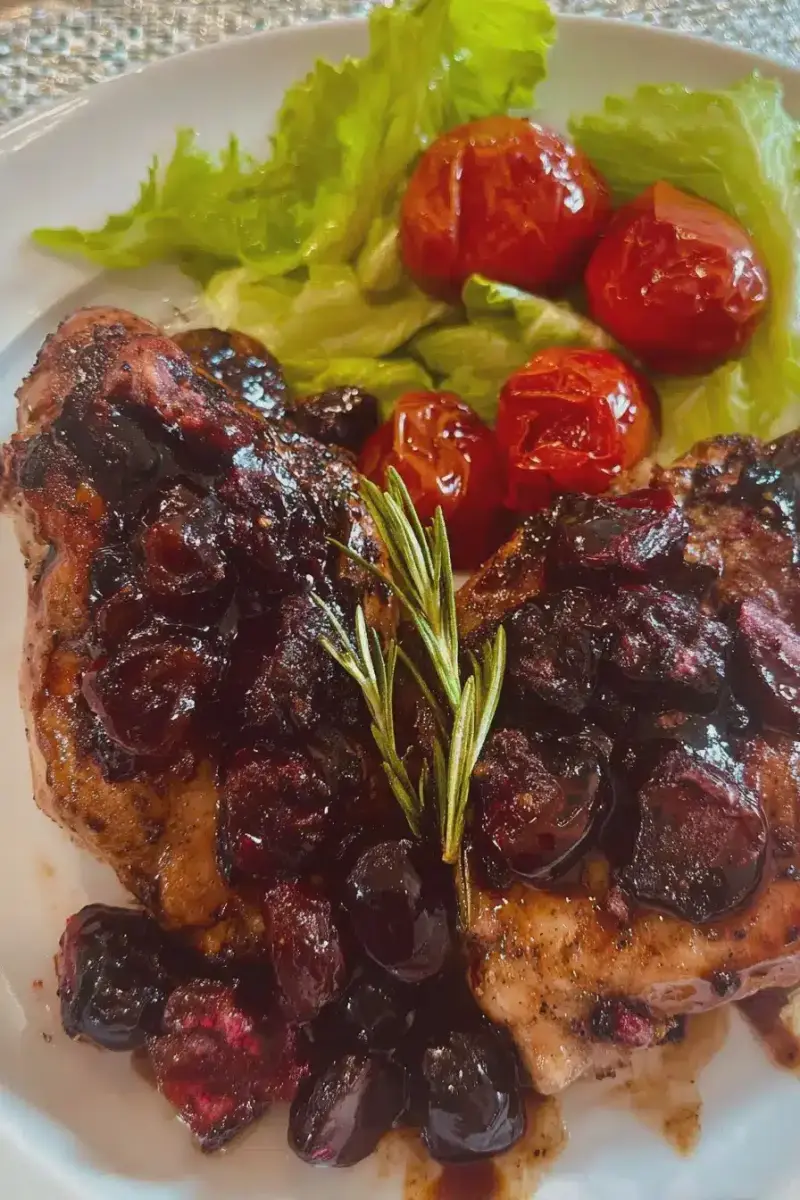
I reach for this apricot-glazed chicken on nights when the clock is against me and everyone still wants a dinner that tastes like effort went into it. In my kitchen it lives somewhere between weeknight simplicity and the kind of sticky, glossy roast that makes people pause and actually say, "Mmm." When I first started making it, I learned to respect a few small steps—drying the skin, managing the heat, and spooning the glaze back over the thighs—that change the outcome from just "good" to the kind of dinner that gets requested again.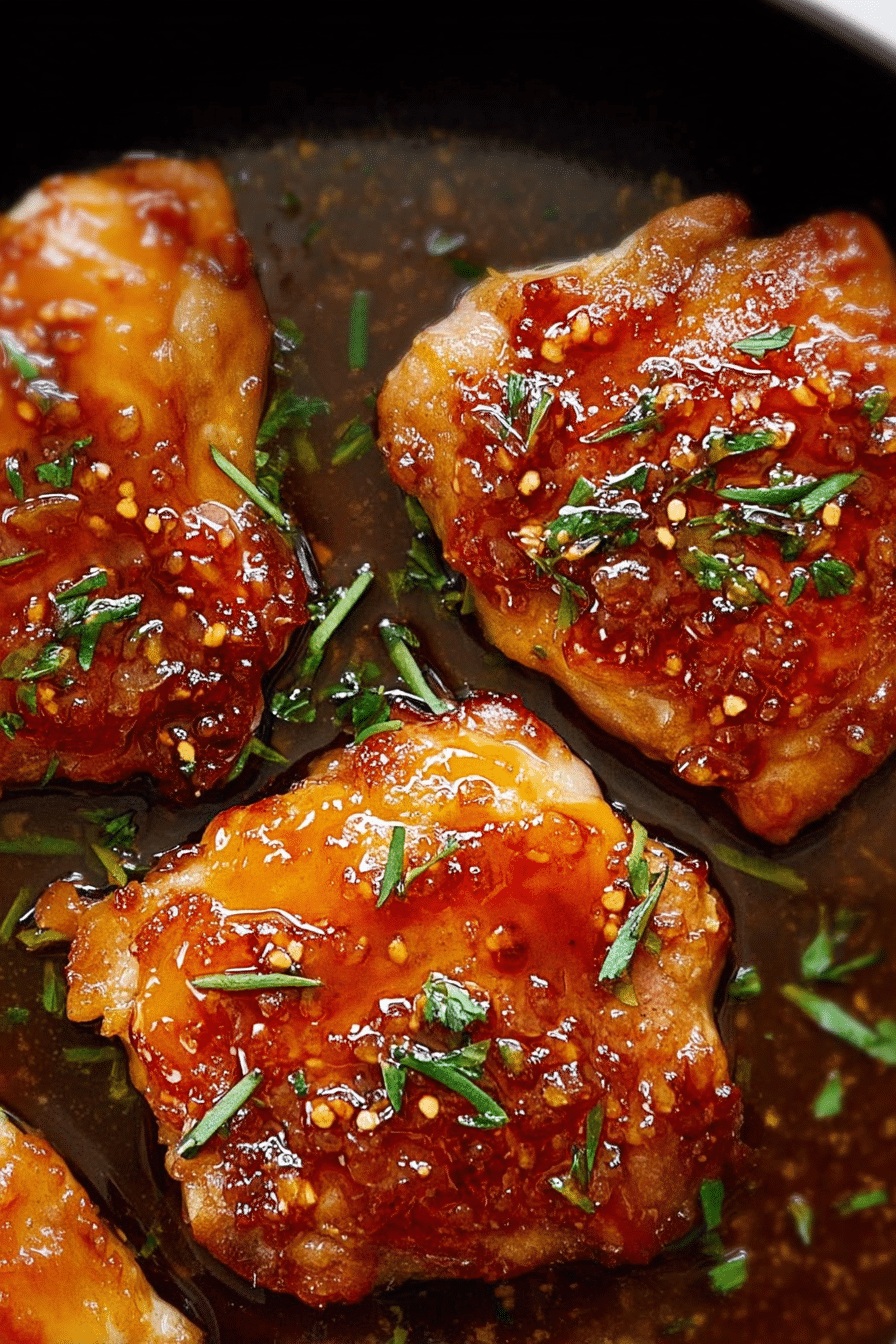
Everything You Need for Easy Apricot-Glazed Chicken
Gather these tools and pantry items so you can work confidently: a hot pan and a warm oven do most of the work.
- Equipment – Oven-safe skillet (cast iron is ideal), tongs, an instant-read thermometer, small bowl and whisk, and a sturdy spatula for spooning glaze.
- Where to source ingredients – Look for apricot preserves with visible fruit pieces and minimal additives at your grocery store or specialty market; choose fresh ginger that is firm and fragrant, not wrinkled; tamari or gluten-free soy sauce is available in most supermarkets or the international aisle.
Ingredient discussion (conversational, no measurements):
- Apricot preserves – The backbone of the glaze; choose a high-fruit-content jar for better texture and cleaner flavor.
- Rice vinegar – Adds bright acidity to balance the sweetness; apple cider or white wine vinegar can be used if needed.
- Soy sauce or tamari – Provides savory depth and salt; use tamari for a gluten-free option.
- Fresh ginger – Grated ginger gives the glaze a warm, peppery brightness; fresh is better than dry for aroma.
- Garlic – Adds savory lift; mince finely so it melds into the glaze.
- Red pepper flakes – A pinch gives a gentle heat; adjust to taste for kid-friendly or adult spice levels.
- Bone-in, skin-on chicken thighs – Skin-on thighs render fat and stay juicy under the glaze; bone-in gives extra flavor but boneless will work with shorter cook time.
- Olive oil – For browning the skin; a neutral oil can work if you prefer.
- Fresh cilantro – Bright herb for garnish; parsley is an easy substitute if you’re not a cilantro fan.
Nutritional information (approximate per serving): 692 calories; 41.3 g fat; 41.4 g carbohydrates; 38.9 g protein. Adjust depending on portion size and sides.
The Secret to Crisp, Golden Chicken Skin
Get the skin right and the rest falls into place. I’ll tell you the small things I do every time to lock in crispness and build flavor.
- Pat the chicken very dry with paper towels before seasoning; moisture is the enemy of crisp skin and will steam the skin instead of browning it.
- Season the chicken liberally with salt and freshly ground black pepper; salt helps draw moisture out of the surface for better browning and boosts the chicken’s flavor throughout.
- Heat the oil until it shimmers but isn’t smoking; place the thighs skin-side down and resist moving them until the skin releases easily and is golden brown—this usually takes several minutes.
- Render the fat over medium-high heat so the skin crisps without burning; if the pan gets too hot, lower the heat rather than stirring constantly.
- If you prefer bone-in for flavor but need quicker cooking, boneless thighs are fine—just shorten the oven time and watch the internal temperature closely.
How to Make the Apricot Glaze from Scratch (No Jar Needed)
I often mix the glaze while the pan heats so it’s ready to spoon over the chicken. The goal is a balanced sauce with sweet, tangy, and savory notes.
- Combine apricot preserves with a bright vinegar and a splash of soy or tamari to provide salt and umami; whisk until smooth and uniform in texture.
- Add grated fresh ginger and minced garlic so their aromatics can meld into the sauce; the warmth of ginger cuts the sweetness cleanly.
- Stir in a pinch of red pepper flakes and taste—adjust the heat gradually so you don’t overpower the glaze.
- If the glaze feels too thick, thin with a small splash of water or vinegar; if it’s too thin, simmer briefly to concentrate and thicken it into a glossy coating.
- Make the glaze ahead if you like; it stores well in the fridge and can be gently reheated before using.
How to Make Easy Apricot-Glazed Chicken (Step-by-Step)
Follow these steps in order. I use a cast-iron skillet most nights, but any oven-safe pan will do.
- Preheat your oven to a moderate roasting temperature so the thighs finish cooking evenly without the skin burning.
- Pat the thighs dry and season both sides with salt and pepper.
- Heat oil in an oven-safe skillet over medium-high heat until shimmering; add the thighs skin-side down and press gently to ensure full contact with the pan.
- Cook until the skin is deeply golden and releases easily from the pan—this step renders fat and creates crispness.
- Flip the thighs, pour the apricot glaze evenly over them, and transfer the skillet to the oven to finish cooking.
- Spoon some glaze from the bottom of the skillet over the thighs halfway through the oven time to build layers of sticky coating.
- Cook until an instant-read thermometer inserted into the thickest part of a thigh reads 165°F; this is the most reliable sign of doneness.
- Garnish with chopped cilantro and serve with plenty of the pan sauce spooned over rice or your chosen side.
Pro Tip for easy apricot-glazed chicken: gluten-free, Whole30 & keto swaps
Pro-Tips, Troubleshooting, and Variations are presented as bulleted lists below for quick scanning and easy reference.
Gluten-free options
- Use tamari or a certified gluten-free soy sauce in place of regular soy sauce to keep the glaze gluten-free.
- Check the apricot preserves label for any malt or wheat-based additives—opt for simple fruit-and-sugar preserves or make a quick stovetop reduction of diced apricots.
Whole30-compliant replacements
- Replace apricot preserves with mashed fresh or frozen apricots cooked down briefly with a little apple cider vinegar for acidity; skip any added sugar and rely on the fruit’s natural sweetness.
- Use coconut aminos instead of soy sauce for the savory element.
Keto-friendly swaps
- Use a sugar-free apricot jam or make a reduction of fresh apricots with a keto-friendly sweetener; keep the vinegar and savory component for balance.
- Reduce the overall quantity of glaze used per thigh if you’re lowering carbs—brush lightly and save the majority of sauce for dipping.
Troubleshooting (quick fixes)
- If the skin isn’t crisping, finish the thighs briefly under a hot broiler for 1–2 minutes while watching closely.
- If the glaze tastes too sweet, add a splash more vinegar or a little extra soy/tamari to rebalance.
- If the chicken is dry, check your thermometer placement—the reading should be in the thickest part without touching bone; pull the thighs as soon as they hit 165°F.
What to Serve with Apricot-Glazed Chicken (Quick Sides That Pair Well)
Here are a few fast sides that play well with the sweet-tart glaze and soak up the sauce.
- Steamed white or brown rice – a classic bed for the saucy thighs and the quickest way to serve a family-style meal.
- Quick sautéed green vegetables – think snap peas, green beans, or spinach tossed with a little garlic to cut through the sweetness.
- Simple green salad – a crisp salad with a bright vinaigrette provides contrast and freshness.
- Cauliflower rice or roasted sweet potatoes – great if you want a lower-carb or heartier alternative that soaks up sauce well.
How to Store, Reheat, and Meal-Prep Apricot-Glazed Chicken
Practical steps to keep leftovers tasting their best so you can rely on this recipe for lunches or quick dinners.
- Cool the chicken slightly at room temperature, then transfer to an airtight container and refrigerate for up to 3 days.
- To reheat and maintain some crispness, warm in a 350°F oven on a baking sheet or in the original skillet until heated through; spoon warm glaze over the thighs before serving.
- Microwave reheating is acceptable for speed—cover loosely and reheat in short intervals—but the skin will soften.
- For meal prep, portion chicken over rice or greens in individual containers and store sauce separately to prevent sogginess; reheat and finish with fresh herbs when ready to eat.
Frequently Asked Questions
Can I use boneless chicken thighs instead of bone-in? Yes, you can use boneless chicken thighs! Just reduce the cooking time to ensure they don’t dry out.
Is there a substitute for rice vinegar? You can use apple cider vinegar or white wine vinegar as a substitute for rice vinegar.
Can I make the apricot glaze in advance? Absolutely! You can prepare the apricot glaze a day ahead and store it in the fridge until you’re ready to use it.
What sides pair well with apricot-glazed chicken? Some great sides include steamed rice, sautéed vegetables, or a fresh salad to balance the sweetness of the glaze.
How do I store leftovers? Store any leftovers in an airtight container in the fridge for up to 3 days. Reheat in the oven or microwave before serving.
Recipe Card
The Easy Apricot-Glazed Chicken I Make Every Busy Weeknight
- Prep
- 10 min
- Cook
- 25 min
- Total
- 35 min
- Serves
- 4
- Calories
- 692 kcal
- Protein
- 38.90 g
- Carbs
- 41.40 g
- Fat
- 41.30 g
Ingredients
- 3/4 cupapricot preserves
- 1/3 cuprice vinegar
- 2 tablespoonssoy sauce or tamari
- 1 tablespoongrated fresh peeled ginger
- 2 large clovesgarlic, minced
- 1 pinchred pepper flakes
- 2 poundsbone-in, skin-on chicken thighs
- —Kosher salt
- —Freshly ground black pepper
- 1 tablespoonolive oil
- 1/4 cuplightly packed chopped fresh cilantro
- —Cooked rice, for serving
Instructions
- 1
Arrange a rack in the middle of the oven and heat to 350°F.
- 2
Place the apricot preserves, vinegar, tamari or soy, ginger, garlic, and red pepper flakes in a small bowl and whisk to combine; set aside.
- 3
Pat the chicken thighs dry with paper towels and season on both sides with salt and pepper.
- 4
Heat the oil in a large cast iron or oven-safe skillet over medium-high heat until shimmering but not smoking. Add the chicken skin-side down and cook until the fat is rendered and the skin is crisp and golden-brown, adjusting the heat if the skin begins to burn, 6 to 8 minutes.
- 5
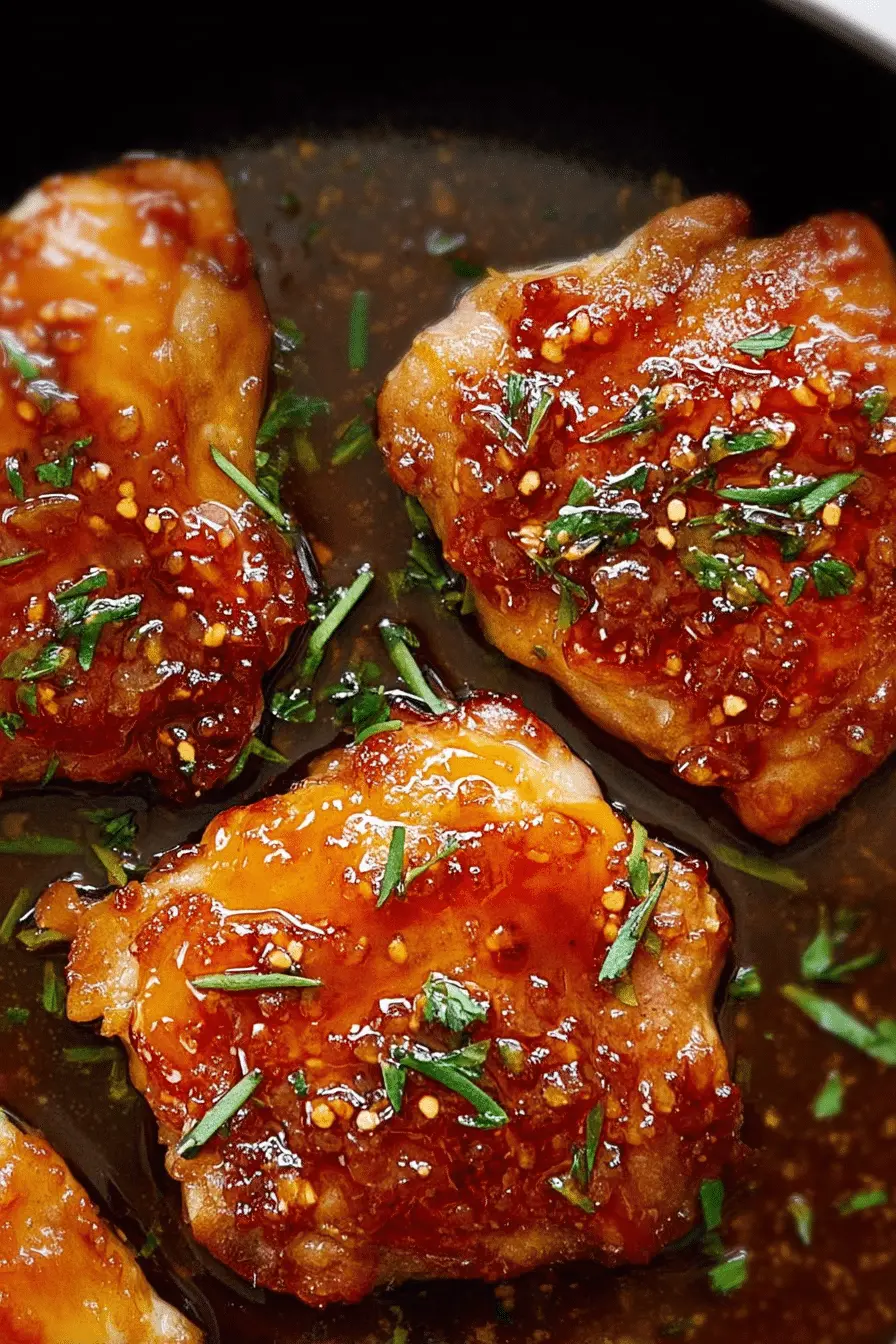
Flip the chicken thighs and carefully pour the glaze evenly over them. Transfer the skillet to the oven and cook, spooning some of the glaze in the skillet back over the chicken halfway through, until chicken reaches an internal temperature of 165°F, 10 to 12 minutes total.
- 6
Sprinkle the chicken with cilantro and serve, with plenty of the sauce, over rice.
You might also like

Reviews
Be the first to review this.