

I started making this Pickle de Gallo because I wanted a crunchy, tangy condiment that didn’t add many calories to a meal. In my kitchen it quickly became the go-to when I wanted something bright on a plate—fresh cucumbers, sharp dill pickles, a hit of garlic, and a little heat from jalapeño or habanero. I love how it perks up simple proteins and makes snacking feel intentional rather than indulgent.
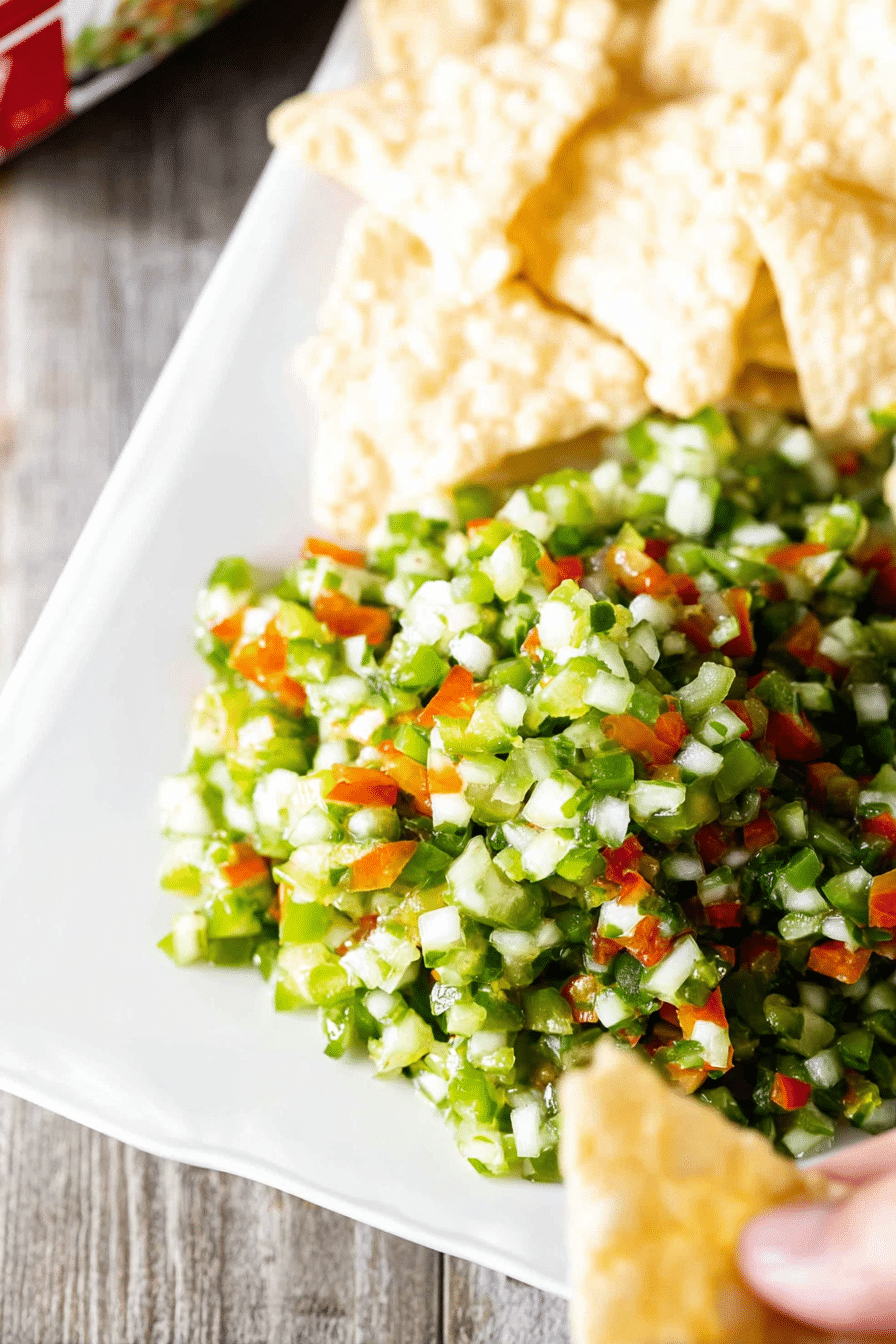
When I first tested this recipe I learned that pickles can be more than a side — their brine is the shortcut to bright, balanced acidity. I tend to start with a lighter hand on the brine, then adjust after the ingredients have rested together in the fridge for an hour. That little wait softens the raw edge while keeping the crunch intact.
I also learned that texture matters more than exact quantities here. A mix of cucumbers and pickles, a few crunchy veggies, and a touch of fresh heat creates a salsa that feels substantial but stays low in calories. I’ll share the tweaks I use so the salsa stays crisp, how to adapt it for gluten-free or vegan diets, and several simple ways I serve it all week long.
Why Pickle de Gallo Is Ideal for Health-Conscious Eaters
This salsa lines up well with health-focused eating because it’s low in calories and fat but big on volume and flavor. Fresh vegetables keep the carbohydrate count modest while delivering fiber and water, which help you feel satisfied. The pickles and brine add tang without resorting to heavy dressings or oils, so this is a useful condiment for portion control and weight management.
Visually, the bright green of cucumbers, the pale yellow-green of pickles, the red bell pepper, and specks of jalapeño make a bowl that looks as fresh as it tastes. Texturally it’s a contrast: crisp cucumbers, slightly softer pickles, and the bite of raw onion — all of which keeps snacking interesting without adding many calories.
Everything You Need for Pickle de Gallo
Use simple, fresh ingredients and you’ll get the best result. If you can, buy organic vegetables for a small boost in nutrient density and to reduce pesticide exposure. If you want a fresher punch, mince the garlic and hot peppers just before tossing. If you prefer a milder version, remove ribs and seeds from the jalapeño before mincing.
- * Cucumber – Provides crunch and bulk; seed the if you want a dryer salsa or pulse briefly in a food processor for uniform dice.
- * Dill pickles – Bring the dill aroma and pickle texture; choose gluten-free pickles if you need to avoid gluten.
- * Onion (sweet or red) – Adds bite and sweetness; rinse if you find raw onion too sharp.
- * Red bell pepper – Adds color, sweetness, and extra crunch; swap for yellow or orange if preferred.
- * Garlic – A small amount brightens the mix; use roasted garlic for a milder, sweeter note.
- * Fresh hot peppers – Control heat with jalapeño or habanero; remove membranes to lower spice.
- * Pickle brine – The seasoning agent that ties everything together; start with a light drizzle and increase to taste.
For a fresh twist, consider trying our Authentic Pico de Gallo recipe alongside your Pickle de Gallo.
Nutrition Check: Calories, Fat, Carbs, and Protein
This salsa is intentionally light: most of the calories come from the small amount of vegetables and pickles, with negligible fat and only a little protein. That makes it a great topper when you want flavor without heavy calories. Cucumbers add water and fiber, which helps with satiety; onions and bell peppers provide vitamin C and other antioxidants; garlic contributes small amounts of immune-supporting compounds.
Compared to traditional tomato-based salsas, Pickle de Gallo can be similar in calories but stands out for its dill-forward tang and crunchy texture. Because it relies on brine instead of oil or creamy dressings, it’s an easy way to add bold flavor while keeping each serving guilt-free.
The Secret to Keeping This Salsa Crunchy
Crunch comes from two things: ingredient choice and moisture control. Cucumbers and bell peppers will always be crunchy when cut properly; the trick is to manage excess water so the salsa doesn’t go soggy. I also refrigerate the mix briefly to let flavors marry but keep structure intact.
- Remove cucumber seeds or scoop them out before dicing to reduce internal moisture.
- Salt lightly and let sit briefly on a paper towel to draw off surface water, then pat dry.
- Add pickles at the end if you want them to remain the firmest element; finely diced pickles blend flavor more than texture.
- Use the brine sparingly at first—drizzle and toss, then chill and taste before adding more.
- Store in a shallow, airtight container so the pieces lie in a single layer rather than getting compacted and soggy.
Troubleshooting
- If the salsa tastes too salty: rinse the pickles briefly and drain well before dicing.
- If it’s too briny: add extra fresh cucumber or bell pepper to dilute the acidity without losing crunch.
- If it loses crunch overnight: refresh with a small handful of chopped fresh cucumber right before serving.
How to Make Pickle de Gallo (Step-by-Step)
- Prepare your produce: dice cucumber, red bell pepper, sweet onion, and finely chop dill pickles and hot peppers. You can pulse briefly in a food processor for consistent pieces, but don’t over-process.
- Toss the cucumbers, pickles, onion, bell pepper, garlic, hot peppers (if using), and a pinch of kosher salt together in a mixing bowl.
- Drizzle a small amount of pickle brine over the mixture and toss again so the brine coats the vegetables without pooling.
- Cover tightly and refrigerate for at least an hour to let the flavors marry while the textures remain crisp. Taste and adjust heat or brine just before serving.
- Useful tools: a sharp chef’s knife or a food processor with a coarse chopping blade, a mixing bowl, and an airtight container for chilling.
Pro Tip for Pickle de Gallo: Balancing Brine and Freshness
- Start with a light drizzle of brine and let the salsa rest before adding more—the flavors concentrate as it chills.
- Try different pickles: classic dill will be tangy and herby, bread-and-butter will add sweetness, and fermented sour pickles can add a deeper tangy note.
- Control heat by using less membrane and seeds from your hot pepper; add them back gradually to reach your preferred spice level.
- Add fresh herbs like dill or chives at the end for a brighter, fresher aroma that doesn’t wilt during storage.
- For a smoky twist, stir in a tiny pinch of smoked paprika or finish with a few drops of liquid smoke—use sparingly so you don’t overpower the pickle character.
7 Ways to Serve Pickle de Gallo — Salads, Bowls, and More
- Top grilled chicken or fish for an instant bright, low-calorie sauce.
- Mix into a grain bowl for crunch and acid instead of a heavy dressing.
- Use as a zesty sandwich or wrap topper to replace mayo-based spreads.
- Serve with plain Greek yogurt or cottage cheese for a protein-rich snack with tang.
- Offer it as part of a veggie-forward appetizer board alongside fresh vegetables and whole-grain crackers.
- Stir into potato or chickpea salads to lighten the dressing and add zing.
- Spoon over tacos in place of salsa verde for a crunchy, tangy twist.
Pair your Pickle de Gallo with a refreshing Homemade Lemonade for a delightful meal experience.
Add a twist to your appetizers with our Dill Pickle Hummus when serving Pickle de Gallo.
How to Store and Make-Ahead Pickle de Gallo
Store the salsa in an airtight container in the refrigerator. It keeps well for about a week, though I find the first two days offer the best crunch and brightness. If you’re prepping ahead for a party, make it the day before and give it a final stir and taste right before serving.
- Use a shallow container to avoid compaction and help the salsa chill evenly.
- If storing longer than a couple of days, add a handful of fresh chopped cucumber before serving to refresh texture.
- Keep any leftover brine separate if you expect to use the salsa as a topping later; that way you can dress each serving to taste without over-salting the whole batch.
Gluten-Free and Vegan Variations of Pickle de Gallo
- Use certified gluten-free pickles and check brine ingredients if you need to avoid gluten.
- Make it vegan-friendly by keeping it plant-based as written; there are no animal-derived ingredients in this salsa.
- Swap in crunchy alternatives like jicama or radish for a different texture while keeping the recipe light.
- Replace or add other fresh vegetables such as celery or green apple for a crisp, slightly sweet contrast.
Check out our Gluten-Free and Vegan Variations of Pickle de Gallo for diverse dietary options.
The Cultural Significance of Pickle de Gallo
Salsa in its many forms is rooted in the simple idea of combining fresh ingredients to add flavor and brightness to a meal. Pickle de Gallo is a modern twist on that tradition — it borrows the communal, shareable nature of pico de gallo but swaps in pickles and brine for a tangy, crunchy profile that speaks to contemporary tastes and pantry creativity.
For many of us, pickles evoke nostalgia—packed lunches, family barbecues, or roadside sandwich shops—and mixing them with fresh vegetables makes a bridge between memory and healthier choices. I encourage you to make it your own and to share your family variations; these small changes are how new classics are born.
Frequently Asked Questions
What is pickle de gallo? Pickle de gallo is a delicious mix of dill pickles, cucumbers, onions, bell peppers, and other fresh ingredients, all tossed together to create a tangy and crunchy salsa.
How long does it take to make pickle de gallo? The recipe takes just 15 minutes to prepare, not including the refrigeration time to let the flavors meld together.
Can I customize the heat level of pickle de gallo? Absolutely! You can adjust the amount of jalapeño or habanero to suit your taste preferences, making it as mild or spicy as you’d like.
How should I store leftover pickle de gallo? Store any leftovers in an airtight container in the refrigerator. It will keep well for about a week, but it’s best enjoyed fresh!
Is pickle de gallo suitable for vegan diets? Yes! This recipe is entirely plant-based and is great for anyone following a vegan diet.
Pickle de Gallo - Dill Pickle Salsa
Ingredients
Method
- Toss together your cucumbers, pickles, onions, bell peppers, garlic, hot peppers (if using), and salt.
- Drizzle the pickle brine over the mixture and toss again.
- Cover tightly and refrigerate for an hour before using to give the flavours a chance to mingle and marry.